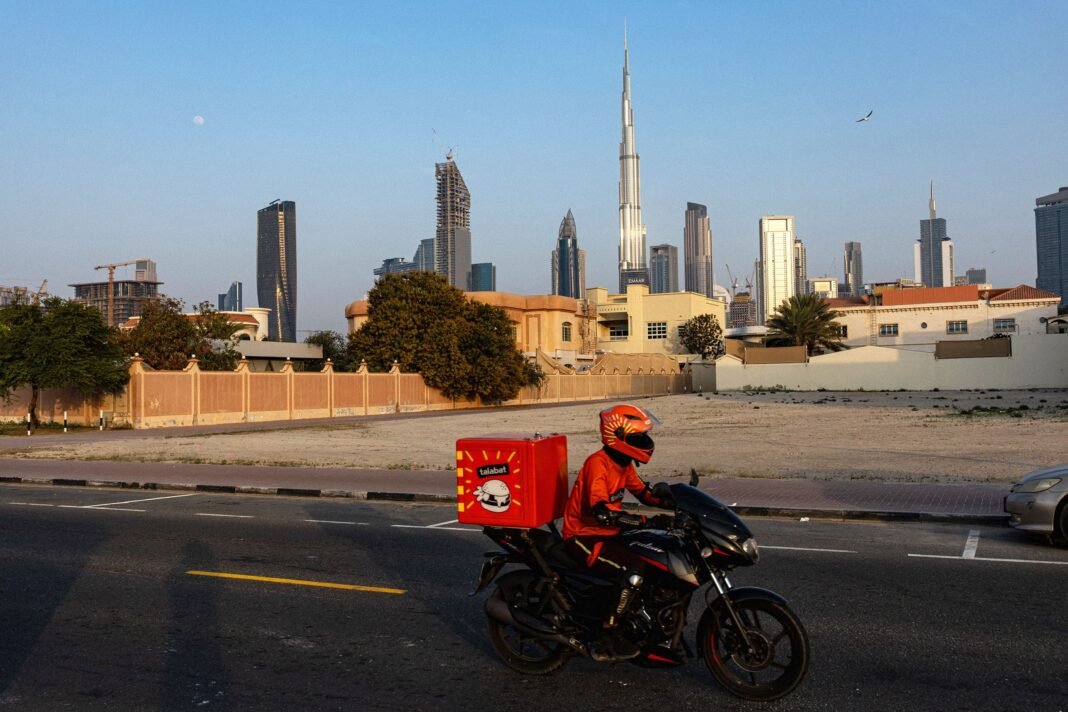
Delivery Platforms Continue Operations Amid Gulf Tensions Despite Safety Concerns
In the midst of ongoing missile alerts, flight interruptions, and the audible sounds of interceptions overhead, third-party delivery services like Careem have managed to sustain their operations across the Gulf region. Although delivery speeds have decreased, certain areas face temporary suspensions, and routes are frequently adjusted to prioritize safety, these platforms remain active without complete shutdowns.
Adapting to Operational Hurdles in a Volatile environment
Following initial missile attacks in the UAE, many delivery applications experienced short-term service disruptions but quickly resumed normal functions. these companies emphasize their dedication to providing residents with access to essential goods while attempting to maintain a semblance of routine amid unpredictable conditions.
Careem has highlighted its ongoing real-time assessment of operational risks at a detailed level. The company communicates promptly with its drivers-known as captains-through WhatsApp groups and SMS alerts. crucially, captains are explicitly informed that they may decline assignments if they feel unsafe on any given day.
The UAE Ministry of Human Resources and Emiratisation recommended that private sector employers implement remote work policies from March 1 through March 3 unless physical presence is indispensable for critical tasks.
an Uber spokesperson confirmed that all services-including UberEats-remain fully functional throughout the region. The company prioritizes both rider and driver safety by closely monitoring developments and strictly following local government guidelines. Similar commitments have been voiced by othre delivery providers operating locally.
The Controversy Surrounding Rider Safety Risks
The choice by delivery firms not to halt operations entirely has ignited public debate about worker protection during conflict periods. While advanced missile interception systems neutralize most threats before impact,falling debris or hazardous road conditions continue posing notable dangers for couriers on the ground.
The UAE Ministry of Defense reported three fatalities and 58 injuries directly linked to attacks as of late February-a stark reminder of persistent risks faced by those working outdoors amid hostilities.
“If I refuse assignments due to fear or risk concerns,” shared an anonymous deliveroo courier contracted through a third-party logistics agency supplying riders across multiple platforms, “the agency penalizes me financially.”
This driver explained how declining orders or missing daily targets results in monetary fines imposed by his employer. Most gig economy couriers earn a base wage plus per-delivery fees designed to incentivize maximizing completed orders despite potential hazards on their routes.

How Payment Models Effect Risk-Taking Behavior
Uber’s compensation system pays drivers based on each pickup/drop-off event plus mileage traveled; some cities also incorporate per-minute rates alongside customer tips. This structure means rejecting jobs directly reduces income opportunities for drivers who depend heavily on these earnings for financial stability.
The Deliveroo courier noted he had yet received no formal instructions from his platform regarding specific precautions related to missile or drone strike threats currently impacting regional security dynamics.
The Critical Importance of Delivery Workers During Crises
Beyond food deliveries alone, these apps enable access to groceries, medications, bottled water, fresh produce-and other vital supplies-for individuals sheltering indoors during conflict periods. Careem observed heightened demand particularly for pantry essentials such as rice and bottled water as residents prepare amid uncertainties about supply chain continuity.
- International Labor Association (ILO) Classification: Delivery workers are officially recognized as essential personnel because they ensure uninterrupted availability of critical goods during emergencies worldwide;
- Pandemic Lessons: The Covid-19 pandemic accelerated this recognition globally when social distancing made e-commerce indispensable; transport workers were formally designated “essential” so supply chains remained intact;
- A Ancient Context: The concept dates back centuries-as an example: gravediggers during Europe’s plague outbreaks or prioritized agricultural laborers during past pandemics ensured societal survival under extreme duress;
Evolving Definition: What It Means To Be an Essential Worker Today
The modern understanding extends beyond job titles-it encompasses roles vital in maintaining societal stability amidst crises such as armed conflicts or health emergencies alike. Keeping delivery networks operational helps prevent panic buying while sustaining everyday life rhythms despite external threats-though often at disproportionate risk borne primarily by migrant labor forces within gig economies worldwide.