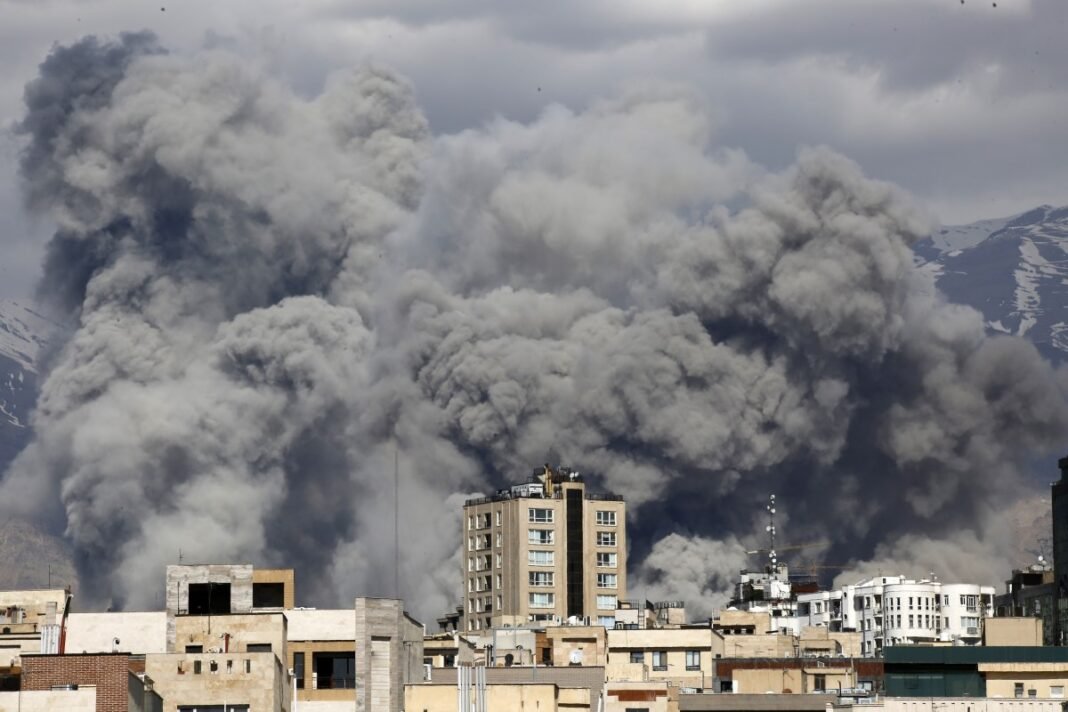
Cyber Attacks and Physical Strikes: Transforming Warfare in the U.S.-Israeli offensive Against Iran
Blending Digital and Conventional Tactics in Contemporary Conflict
The recent joint operation by U.S. and Israeli forces against Iran represents a important shift in military engagement, merging conventional air raids with complex cyber offensives.This campaign culminated in the assassination of Iran’s supreme leader Ali Khamenei along with several senior government figures, while simultaneously targeting both military bases and civilian infrastructure across the country. Tragically, among the casualties was a girls’ school where over 160 lives were lost.
This confrontation highlights how cyber warfare has become an essential complement to physical assaults-offering vital intelligence gathering, disrupting enemy command networks, and executing psychological strategies aimed at destabilizing opponents internally.
Neutralizing Iranian Defenses Through Cyber-Space Synergy
General Dan Caine, chair of the U.S. Joint chiefs of Staff, confirmed that coordinated space-based assets combined with cyber operations played a pivotal role before kinetic attacks commenced. These efforts successfully disabled Iranian interaction systems and sensor arrays,leaving their forces disoriented and unable to mount cohesive resistance.
The primary objective was to sow confusion within Iranian leadership by severing their situational awareness capabilities during critical moments of engagement.
Broadcast Hijacking as Psychological Warfare
An early phase tactic involved Israel bombing two state-controlled Islamic Republic of Iran broadcasting (IRIB) stations followed immediately by a cyber intrusion that interrupted normal programming. Hackers replaced broadcasts with speeches from Donald Trump and israeli Prime Minister Benjamin Netanyahu urging iranians to rise against their government-a method echoing but distinct from earlier media hacks targeting iranian outlets this year.
Leveraging surveillance for Precision Targeting
Years-long infiltration into Tehran’s traffic camera network reportedly provided Israeli operatives real-time intelligence during targeted eliminations. Access extended beyond cameras into mobile phone infrastructures deeply embedded within Iran’s communications framework-demonstrating how persistent cyber espionage enables pinpoint strikes on high-value individuals.
the power of Psychological Operations in Eroding Regime Support
A striking example involved hacking BadeSaba Calendar-a popular prayer app used widely across Iran-to deliver messages on day one urging users loyal to the regime to defect or surrender for freedom’s sake. This illustrates how digital platforms are weaponized not only for intelligence collection but also as tools for shaping public opinion amid conflict.
Iranian Hacker Response Hampered by Internet Shutdowns
Contrary to expectations that pro-government hacker groups would retaliate swiftly online, reports show limited counterattacks so far-likely due to extensive internet blackouts inside Iran severely restricting operational capabilities within cyberspace.
Caution Against Overhyping Cyberwarfare Effects
Although these integrated kinetic-cyber campaigns reveal new dimensions in modern warfare strategy, it remains crucial to acknowledge that conventional force continues dominating outcomes on battlefields worldwide. Sometimes claims about cyber impacts are exaggerated as part of data campaigns designed either to intimidate adversaries or project technological superiority.
“In Venezuela earlier this year,” experts observed,“attributing widespread power outages solely to hacking overstated reality; physical damage from conventional strikes played a more decisive role.”
navigating Future Conflicts: The rise of Hybrid Warfare Demands Holistic Strategies
- Evolving Threat Landscape: Future wars will increasingly integrate digital disruption alongside traditional combat tactics requiring flexible defense mechanisms spanning multiple domains.
- Civilian Protection Imperative: Attacks impacting schools or public utilities underscore urgent needs for safeguarding non-combatants amid hybrid warzones where distinctions between military targets blur rapidly.
- PsyOps Expansion: Digital channels provide unprecedented reach for psychological influence campaigns aimed not only at enemy forces but entire populations under authoritarian regimes relying on fear or misinformation control tactics.
- Sustained Intelligence Penetration: long-term access into adversary networks proves invaluable-not just enabling immediate tactical advantages but shaping strategic outcomes through continuous surveillance over time.
A New Battlefield Beyond Physical Frontlines Requires Constant Vigilance
This conflict exemplifies how modern warfare transcends mere aerial bombardments; battles unfold simultaneously across cyberspace where data flows become contested zones influencing perceptions as much as ground realities worldwide today.
grasping this intricate interplay is vital for policymakers crafting comprehensive security frameworks capable of addressing multifaceted threats posed by emerging hybrid warfare scenarios operating at unprecedented scale and speed globally.