Rising Tensions Reshape Security Landscape in Gulf and Surrounding Areas
The escalating clashes have drawn numerous Gulf states, Arab countries, as well as Turkiye and Azerbaijan, into a deepening regional turmoil with far-reaching consequences.
Precision Attacks on Key Economic and Diplomatic Sites
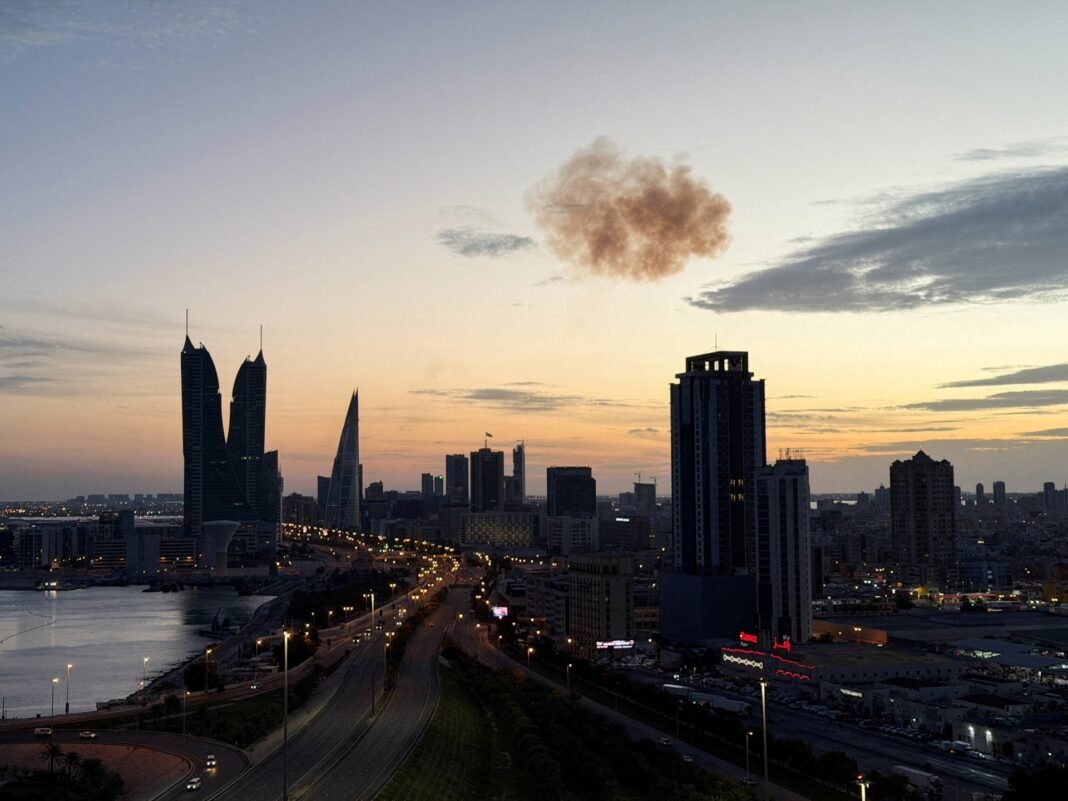
According to reports from Iran’s semi-official Fars News Agency, Bahrain’s capital Manama experienced overnight strikes targeting the Financial Harbour Towers-a vital commercial center that also hosts the Israeli embassy. This event signifies a notable intensification within the ongoing conflict.
an Iranian drone was intercepted and destroyed near this strategic complex,underscoring the growing reliance on unmanned aerial vehicles in these confrontations.
Coordinated Defensive Measures Across Multiple Countries
The Saudi Ministry of defense confirmed it successfully neutralized hostile projectiles east of Al-Kharj governorate. Initially, a cruise missile was shot down without further elaboration. Following this, three drones were intercepted near Riyadh’s eastern outskirts.
Qatar’s Ministry of Defense reported its air defense systems thwarted an attempted drone strike against Al Udeid Air Base in Doha-an installation critical for US military operations. Prior to this attack, authorities issued heightened security alerts advising residents to remain indoors and avoid exposed locations due to increased threat levels.
In Jordan’s northern city of Irbid, local observers noted several drones were intercepted by air defenses during Friday afternoon engagements.
Civilian Concerns Amid Frequent Explosions and Alerts
Civilians throughout affected regions have faced mounting anxiety triggered by recurrent explosions-such as those recently heard in Doha-and intensified security warnings urging precautionary actions like staying away from windows or open areas vulnerable to blast effects or debris injuries.
A wider Geopolitical Struggle Unfolds
- This confrontation extends beyond direct Iran-US-Israel hostilities; neighboring nations are increasingly entangled either through proxy conflicts or direct threats involving missile and drone incursions across borders.
- The deployment of sophisticated unmanned systems marks a shift toward modern warfare tactics impacting urban centers once deemed relatively secure within these countries’ territories.
- Tensions persistently destabilize energy-rich zones essential for global oil supplies; disruptions here risk amplifying worldwide economic volatility amid ongoing post-pandemic recovery challenges affecting supply chains globally.
International Reactions Amid escalating Hostilities
The initial week following intensified US-Israeli operations targeting Iranian interests has witnessed Tehran retaliating with strikes directed at nations hosting american forces or assets. This tit-for-tat dynamic has rapidly expanded into a broader geopolitical contest involving multiple states across West Asia and adjacent regions.
The European Union expressed firm support for Gulf Cooperation Council (GCC) members subjected to repeated missile and drone attacks attributed to Iran. EU foreign policy officials met with GCC representatives in Brussels condemning what they described as “unjustifiable aggression” against member states within the Gulf area.
Synthesis: complex Conflict Impacting Diverse Fronts Simultaneously
This multifaceted crisis highlights how contemporary warfare transcends customary battlefields into diplomatic spheres while directly affecting civilian populations through sudden escalations demanding swift defensive responses.The participation of varied actors-from national militaries intercepting missiles over major cities to international coalitions denouncing aggression-reflects an increasingly interconnected security environment where localized incidents can trigger widespread repercussions spanning continents today.