Submarine Attack on Iranian Warship Raises Indian Ocean Security Concerns
Indian Prime Minister Narendra Modi has often praised the Indian Navy as the vigilant guardian of the Indian Ocean, highlighting its essential role in protecting critical maritime trade routes and energy corridors. His remarks have inspired pride among naval forces tasked with securing these vast waters.
Yet, recent developments have cast a shadow over India’s ability to maintain this protective stance. In a shocking event less than six months later, an iranian frigate engaged in joint naval exercises hosted by India was struck near Sri Lanka’s southern coast.
The Unexpected Assault in International Waters
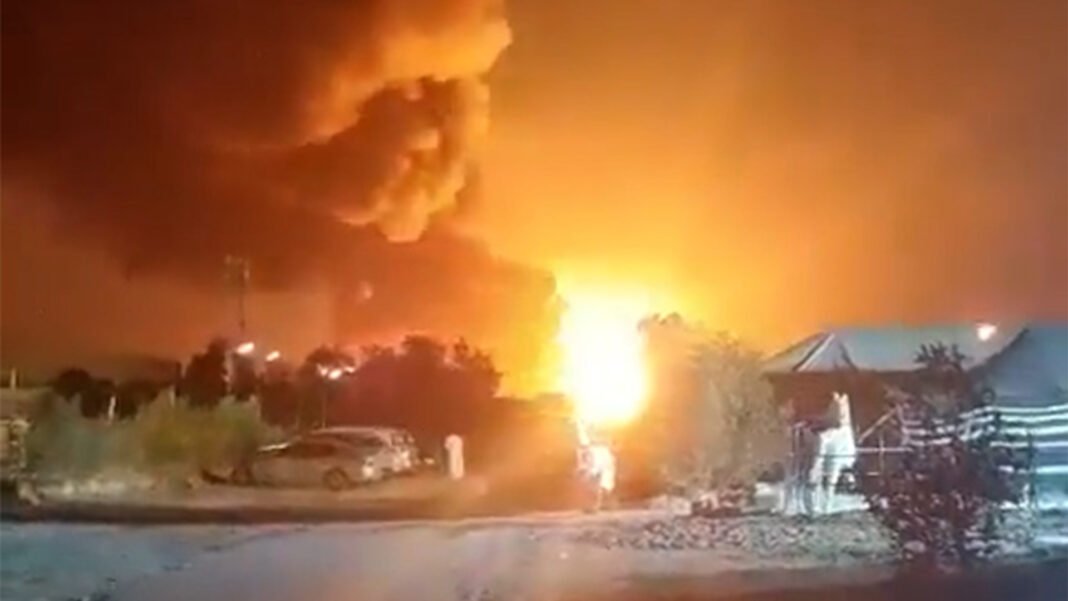
the IRIS Dena,an iranian warship returning from the biennial “Milan” multilateral drills off India’s eastern coastline,was targeted by a US submarine approximately 44 nautical miles south of Sri Lanka.This attack took place on March 4th while the vessel navigated international waters.
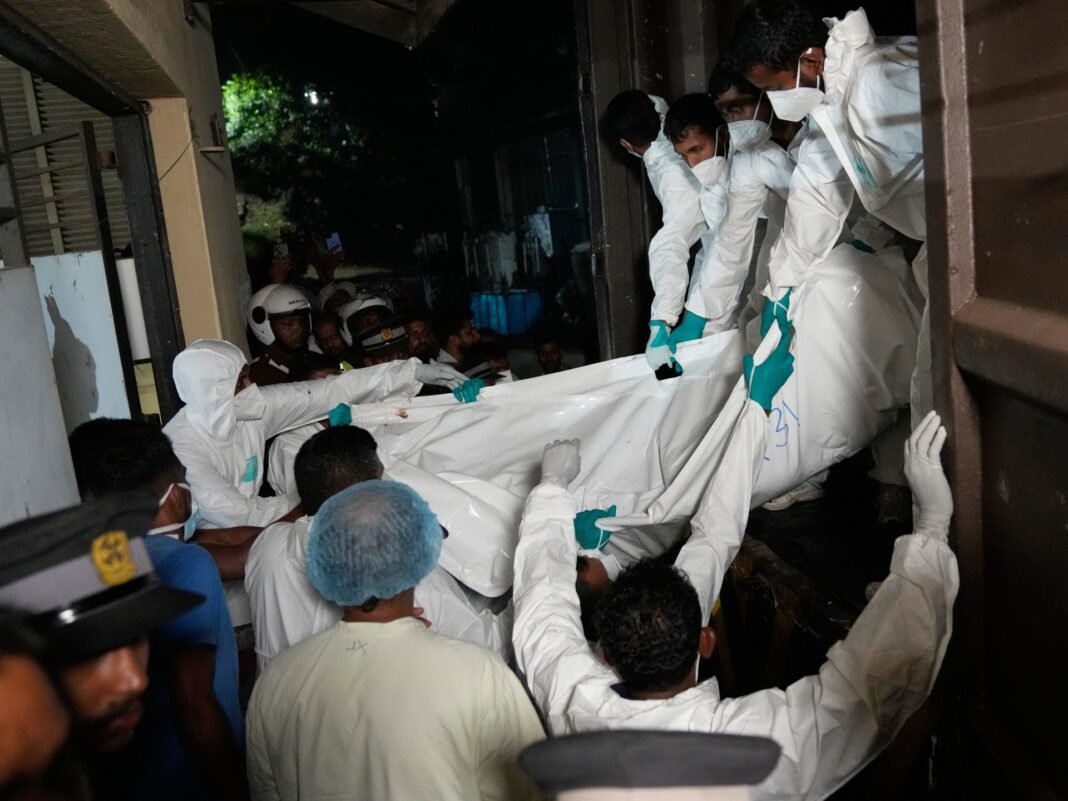
Sri Lankan rescue teams promptly responded, recovering over 80 bodies and rescuing 32 survivors from the wreckage; though, more than 100 crew members remain missing. This tragedy has profoundly unsettled perceptions of maritime security across the region.
The Human Toll Amid Diplomatic Relations
During their fortnight-long participation in joint exercises, Iranian sailors had marched alongside their Indian counterparts and shared moments symbolizing camaraderie between navies. the IRIS Dena was officially regarded as “a guest of India’s navy,” reflecting deep-rooted cultural and strategic connections between Iran and India.
“This sinking not only represents tragic loss of life but also damages India’s reputation as a dependable security provider within its maritime neighborhood,” remarked retired vice Admiral Shekhar Sinha after attending ceremonies involving Iranian personnel.
Strategic Ramifications for India’s Maritime Role
This incident exposes vulnerabilities within what was once considered a relatively secure zone-the Indian Ocean-crucial to India’s energy imports and global commerce that accounts for over 40% of worldwide container traffic according to recent shipping statistics. Analysts warn that intensifying conflicts involving major powers like the US and Iran threaten stability in this vital region.
India now faces a complex predicament: whether it had prior knowledge about US submarine operations or if it was caught off guard by such aggressive military action so close to its shores. Both possibilities carry significant diplomatic consequences given New Delhi’s declared strategic partnership with Washington.
A Delayed Official Reaction Sparks Debate
The Indian Navy waited more than twenty-four hours after receiving distress signals from IRIS Dena before issuing any formal statement acknowledging the attack. By than, Sri Lankan forces had already led rescue efforts without direct coordination from New Delhi’s side.
no public criticism or condemnation has been directed at Washington regarding this strike despite widespread regional unease about unilateral military actions disrupting peace in international waters adjacent to South Asia.
Navigating Complex Geopolitical Currents: India’s Balancing Act
- Evolving From Non-Alignment to Strategic Partnerships: Historically committed to non-alignment during Cold War tensions, contemporary India now pursues “strategic autonomy” while increasingly aligning with Western allies including Israel-a country Prime Minister Modi visited shortly before hostilities escalated against Iran began.
- Tensions Straining Indo-Iranian relations: Despite decades-long economic cooperation-including oil imports constituting nearly 10% of India’s crude needs before conflict-and humanitarian exchanges under former Supreme Leader Khamenei’s tenure, diplomatic responses following his assassination have been notably subdued compared to past protocols involving ministerial condolences versus current bureaucratic visits alone.
- Moral Ambiguity Affecting Regional credibility: Experts argue that India’s silence amid these developments undermines its image as an impartial security actor capable of balancing competing interests across West Asia (the Middle East). Critics accuse current leadership of compromising national interests through tacit support or omission regarding aggressive acts against Iran-linked assets operating under Indian invitation protocols.
A Departure From Traditional Foreign Policy Norms?
This episode underscores how shifting geopolitical realities compel recalibrations away from earlier foreign policy frameworks cultivated over decades toward pragmatic alignments driven by present-day power dynamics rather than ancient solidarity movements or balanced diplomacy alone.

Bigger Picture: Implications for Regional Stability
- Diminished Maritime Control: The attack highlights limits on India’s influence despite being home to one-fifth of humanity; control over surrounding seas is contested amid rising great power rivalries extending into South Asian waters where commercial lifelines converge.
- Erosion Of Trust Among Allies and neighbors: Partners may question New Delhi’s capacity or willingness to protect invited guests’ vessels when confronted with external aggression.
- < strong >Risk Of Escalation : Retaliatory actions following such incidents risk drawing multiple countries into broader conflict zones threatening uninterrupted commerce essential not only regionally but globally.< / li >
< p > As tensions simmer across West Asia spilling into adjacent seas , India must carefully balance asserting sovereignty , maintaining strategic partnerships , safeguarding economic interests , and upholding principles fostering long-term regional peace . Enhancing maritime domain awareness capabilities combined with transparent interaction channels among involved parties could reduce future surprises . Simultaneously occurring , promoting inclusive dialogue platforms remains vital .< / p >
< p >< strong >To sum up , although Prime minister Modi once confidently asserted stewardship over these crucial oceanic expanses , recent events reveal vulnerabilities challenging both perception and reality concerning who truly commands safety along these pivotal waterways today.< / p >