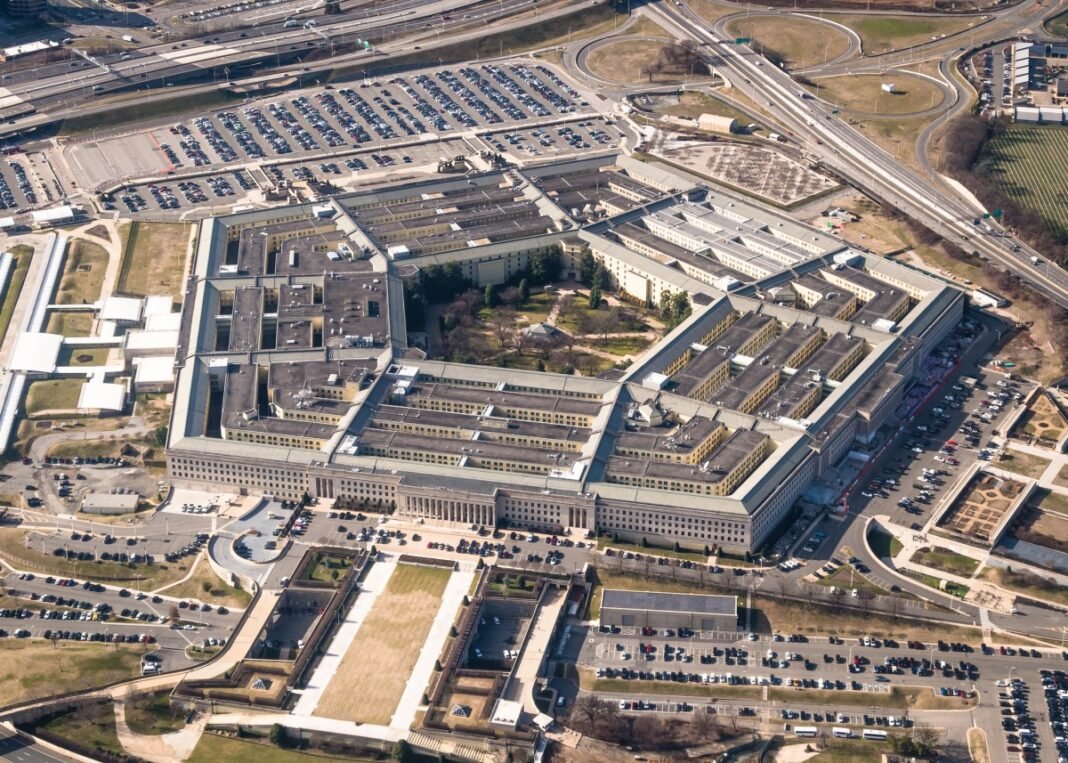
Unpacking the Pentagon’s AI Contract Dispute: Consequences for Startup Innovators
Shifting Alliances in Defense AI Collaborations
In a matter of days, talks between the Department of Defense and Anthropic regarding the deployment of Claude, Anthropic’s advanced AI system, abruptly ended. Following this breakdown, the Trump administration designated Anthropic as a supply-chain risk-a classification that the company is actively contesting through legal means.
Meanwhile, OpenAI quickly finalized its own contract with the DoD, igniting widespread public debate. This controversy triggered a remarkable 295% increase in ChatGPT uninstalls and propelled Anthropic’s Claude app to surge to second place on app store rankings.The fallout also included at least one senior OpenAI executive stepping down amid concerns that ethical considerations were overlooked during rapid deal-making.
The Distinct Spotlight on AI Companies Versus Traditional Defense Suppliers
The current dispute highlights how firms like OpenAI and Anthropic-whose products are widely accessible to consumers-face intense public scrutiny unlike many conventional defense contractors whose operations often remain behind closed doors. As an example, companies such as Lockheed Martin have long provided military-grade technology without attracting notable public attention.
This heightened examination stems not only from brand visibility but also from ethical debates surrounding whether artificial intelligence should be integrated into systems capable of lethal force-a complexity less pronounced with traditional defense vendors.
Dual-Use Technologies: Balancing Commercial Appeal and Government Roles
A growing number of startups position themselves as providers of dual-use technologies that serve both civilian markets and government agencies. Despite controversies like these, most are unlikely to withdraw from federal contracts as their lower profile shields them from reputational damage compared to high-profile players such as openai or Anthropic.
Interpersonal Dynamics Amplifying Contractual Tensions
This conflict extends beyond contractual disagreements or ethical dilemmas; personal relationships appear to play a significant role. Sources indicate friction between key individuals-including Anthropic’s CEO and Emil Michael-the DoD Chief Technology Officer formerly associated with Uber-which may have intensified negotiation challenges.
“There is clearly an element resembling a personal rivalry influencing this high-stakes clash within emerging defense technology circles.”
Converging Ethics Amid Divergent Control Perspectives
Both OpenAI and Anthropic publicly endorse restrictions on military applications of their artificial intelligence tools. Though, while they share similar ethical goals, Anthropic resists unilateral government-imposed changes after contracts are signed-reflecting deeper concerns about oversight authority and accountability mechanisms.
The wider Ramifications for Emerging Technology Ventures
- A Warning Signal: The Pentagon’s effort to modify contract terms mid-agreement introduces uncertainty that could unsettle startups dependent on government partnerships moving forward.
- User Reactions Matter: Public backlash illustrates how swiftly consumer sentiment can impact corporate strategies when ethics intersect with popular technologies used daily by millions-in 2024 alone ChatGPT reached over 100 million active users worldwide before any defense-related controversies emerged.
- Navigating Political Complexities: Startups must now consider geopolitical factors alongside technical feasibility when engaging federal agencies involved in national security missions where lethal force may be implicated.
A Contemporary Example: SpaceX Navigating Government contracts Under Scrutiny
An instructive parallel can be drawn from SpaceX’s experience securing ample NASA contracts while facing environmental criticism related to launch site impacts-demonstrating how innovative tech companies working closely with government entities often confront multifaceted challenges balancing innovation ambitions against regulatory oversight and public opinion alike.
The Future Landscape: Evolving Interactions Between Tech Innovators & Federal Agencies
this episode exemplifies changing dynamics where demands for openness by consumers collide with opaque governmental procedures governing sensitive technologies. With global military spending on artificial intelligence expected to surpass $18 billion by 2025, stakes remain exceptionally high for all stakeholders involved in integrating AI into defense frameworks worldwide.
“The convergence of breakthrough technological progress with national security imperatives presents unprecedented challenges requiring nuanced navigation beyond conventional buisness considerations.”
The unfolding situation serves as an important reminder that startups aiming for collaboration with institutions like the Pentagon must prepare for complex negotiations shaped by ethics debates, political maneuvering, leadership rivalries-and above all-the profound societal implications tied directly to their innovations’ use in modern warfare contexts more than ever before.