Massive Women’s Marches Amplify the Urgent Battle Against gender violence in Mexico
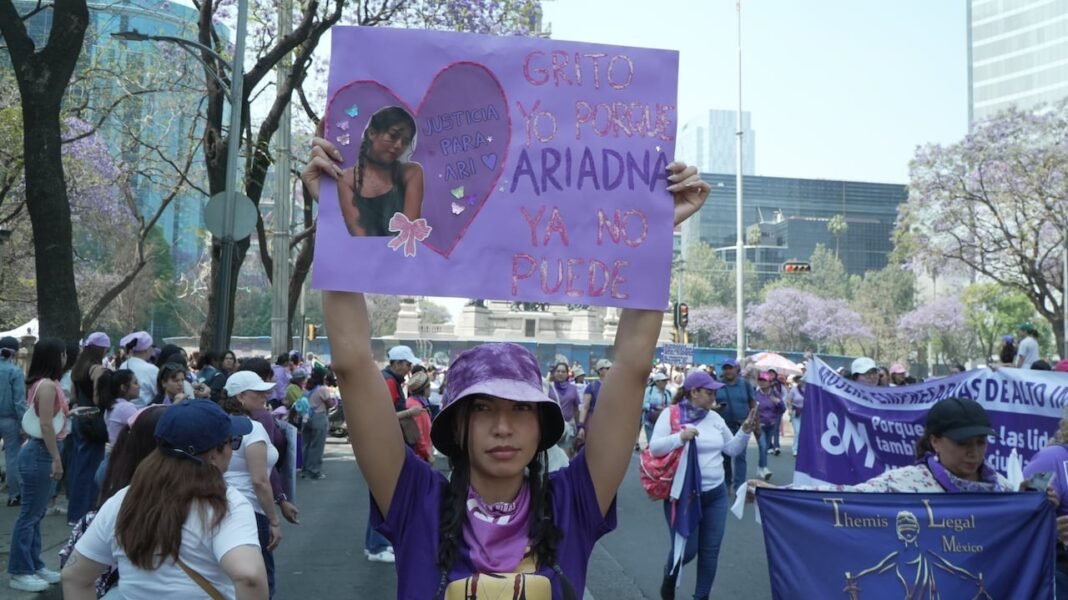
On International women’s Day, cities across Mexico witnessed tens of thousands of women flooding streets adorned in purple and green-the emblematic colors representing justice and reproductive rights. This annual mobilization has evolved into one of the nation’s most critically important political demonstrations, shedding light on the persistent epidemic of gender-based violence that remains largely unaddressed by governmental institutions.
Staggering Femicide Statistics and judicial Impunity
Every day, nearly 10 women fall victim to femicide in Mexico, a grim statistic that underscores a deep-rooted crisis. Despite this alarming rate, only about one in ten cases results in conviction, revealing profound flaws within the judicial system. Recent surveys indicate that close to 70% of Mexican women have suffered some form of abuse-whether physical, sexual, emotional, or economic-at some point during their lives.
The case of Mariana Torres illustrates these systemic failures vividly. In 2023, Mariana disappeared after attending a cultural event in Guadalajara; her body was later discovered under suspicious circumstances near Lake Chapala.Conflicting reports from local authorities cite accidental drowning while forensic experts suggest signs consistent with assault. Legal proceedings remain stalled amid jurisdictional confusion and lackluster investigative efforts.
A Personal Plea for Justice
Carmen Ruiz marched not only for herself but also for her childhood friend mariana torres whose life was tragically cut short. “Each year we gather; this time our voices are louder as she can no longer speak,” Carmen shared during the demonstration.
Equally moving is Rosa Mendoza’s participation; her daughter Ana Lucía Hernández was killed on a university campus in Monterrey in 2018. While one student has been convicted and another faculty member is still sought by authorities for complicity, Rosa stresses that public protests remain essential: “We must keep marching and demanding justice relentlessly-even if it means disrupting order-we cannot allow silence to prevail.”
The Human Cost Behind Recent Disappearances
The weeks leading up to International Women’s Day were marked by several disappearances followed by tragic discoveries: two students from Universidad Autónoma de Puebla were found dead after vanishing without trace; another woman disappeared after taking an informal taxi near Toluca before being found murdered days later. These incidents intensify outrage over insufficient protective measures for women nationwide.
Strength Through Collective Solidarity
The power drawn from unity resonates strongly among participants at marches held throughout urban centers such as Mexico City’s Iztapalapa district-a historically underserved area battling high crime rates where grassroots groups organize workshops creating protest banners filled with compelling messages ahead of rallies.
Luz Martínez leads one such workshop but cannot attend marches due to health concerns; instead she channels her activism through art alongside others like Daniela Flores who finds motivation amidst thousands marching around her: “Seeing all those signs reminds me why I fight-for my younger sister especially-I want her safe always.”
government Responses Amid Calls For Structural Reform
The inauguration of Claudia Sheinbaum as Mexico’s first female president marked a milestone when she took office early 2024. Her administration declared 2025 “The Year Of Indigenous Women,” launching initiatives aimed at empowering older women through expanded pension programs targeting ages 60-65 along with plans to open over 250 childcare centers nationwide and promote homeownership opportunities specifically designed for female beneficiaries.
Nevertheless, experts warn against complacency regarding these policies’ real-world impact:
“While government programs show promise on paper,” notes an academic expert,
“there is concern they risk becoming bureaucratic formalities rather than addressing deep-rooted societal issues requiring transformative change.”
A Movement Driven By Resilience And Demand For Accountability
This expanding movement embodies not just sorrow but fierce resolve among Mexican women calling for accountability-from grassroots organizers crafting protest materials despite obstacles to families refusing silence about lost loved ones-and highlights an urgent global call:
- Tens of thousands participate annually across major metropolitan areas;
- An estimated seven out of ten experiance some form of violence;
- poor conviction rates expose critical judicial deficiencies;
- Civic engagement extends beyond protests into community empowerment projects;
- A new presidential administration pledges reforms yet faces scrutiny over tangible outcomes.
Toward A Safer Future For All Women In Mexico
The collective voices echoing through city streets each year serve both as tributes honoring victims like mariana Torres and Ana Lucía Hernández-and as rallying cries demanding systemic conversion so future generations can live free from fear.
“Free, alive & without fear”, chanted beneath countless banners across neighborhoods large and small-a hopeful vision emerges where justice triumphs over silence-and every woman can navigate society safely without threat or discrimination.