Rising Tensions in the Middle East: Consequences for Global Energy and International Relations
Escalating Military Clashes and Regional Volatility
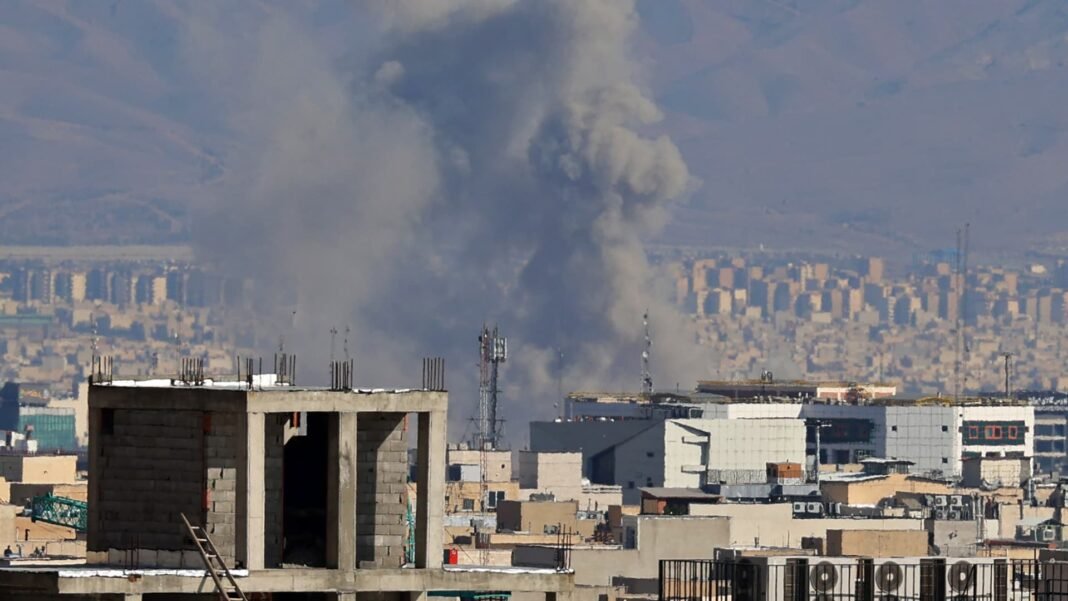
Thick smoke clouds enveloped Tehran after a series of targeted air raids struck key locations within Iran’s capital, marking a significant intensification of conflict throughout the region. This confrontation has rapidly spilled over Iran’s borders,raising alarms worldwide.
The United States recently ordered the evacuation of non-essential personnel from Saudi Arabia amid increasing missile and drone threats launched from both Yemen and Iran.This directive highlights growing apprehension about security risks in this volatile area.
Concurrently, Israeli military forces conducted new strikes aimed at dismantling vital infrastructure deep inside central iran, labeling their targets as integral parts of what they call a “terror regime.” These operations signify heightened pressure on Tehran’s strategic capabilities.
Iran’s Firm Response Amid Ongoing Assaults
An official spokesperson from Iran’s foreign ministry rejected calls for an immediate ceasefire, asserting that defensive actions will continue provided that aggression persists against the nation. This stance reflects Tehran’s determination to resist de-escalation while under attack.
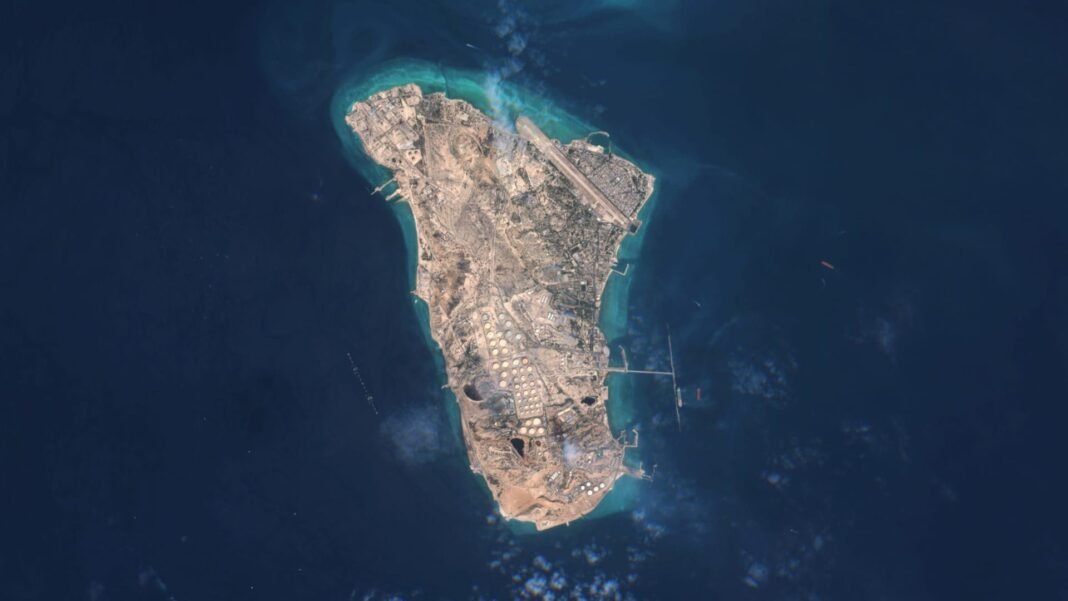
The recent offensive included unprecedented hits on several Iranian oil installations near Tehran and Karaj-facilities crucial to the country’s energy production-resulting in massive fires visible across these urban centers. Targeting economic infrastructure marks a new phase in this conflict’s evolution.
Global Oil Markets React to Middle Eastern Unrest
The turmoil triggered crude oil prices to surge beyond $115 per barrel early Monday morning. This spike followed announcements by multiple producers across the Middle East signaling potential output cuts due to uncertainties caused by ongoing violence.
The Strait of Hormuz-a vital maritime passage responsible for nearly 20% of global oil exports-has experienced a sharp decline in tanker traffic after warnings from Tehran discouraged vessels from navigating its waters. Such disruptions have intensified fears about prolonged energy supply shortages worldwide.
“The brief calm we saw in energy markets is now shattered,” remarked an expert specializing in energy geopolitics at CSIS. “We are entering an extended period of instability with markets scrambling to adapt.”
Global Measures Addressing Energy Security Risks
- The G7 finance ministers are preparing talks focused on coordinated releases from strategic petroleum reserves aimed at cushioning potential supply shocks stemming from conflicts affecting key oil-producing nations.
- The U.S. Energy Secretary emphasized that normal shipping through the Strait will only resume once Washington neutralizes threats posed by Iranian forces capable of disrupting maritime traffic lanes critical for global commerce.
A New Era for Iranian Leadership Amid Heightened Strife
Mojtaba Khamenei-the son of former Supreme Leader Ayatollah Ali Khamenei-has been appointed as Iran’s new supreme leader,consolidating authority over powerful factions including the Revolutionary Guard Corps known for their uncompromising positions. This succession signals continuity rather than reform within Iran’s political framework.
This leadership change has drawn international criticism; intelligence analysts warn it may entrench ideological rigidity instead of encouraging moderation or political openness within tehran’s governance structure.
Diverse International Reactions to Leadership Shift
- moscow: Russian President Vladimir Putin congratulated Mojtaba Khamenei while reaffirming russia’s unwavering alliance with Iran amid escalating regional tensions.
- Tensions with Israel & U.S: Israel perceives any successor leader as a direct threat due to hardline policies; meanwhile, previous U.S administrations hinted at possible interventions should leadership transitions occur without American approval or cooperation.
Evolving Defense Technologies Reshape Regional Security Dynamics
Iran continues deploying swarms of Shahed “kamikaze” drones engineered specifically to overwhelm air defense systems across Gulf countries hosting U.S military bases or supporting allied operations against groups backed by tehran. These drones have also been extensively utilized during Russia’s 2024 invasion campaign in Ukraine employing similar swarm tactics effectively on battlefields there.
Kinetic Aid From Ukraine and Allies Bolsters Gulf Defenses
`
- `
- Kiev Response: Ukrainian President Volodymyr Zelenskyy confirmed Kyiv agreed with Washington on supplying interceptor drones alongside expert teams tasked with protecting American facilities based out of Jordan – offering cost-efficient alternatives compared to traditional missile defense systems.
- Bilateral Support: Australia is reviewing requests from Gulf states seeking defensive assistance but remains committed not participating directly in offensive operations targeting Iranian territory.
- Diplomatic Initiatives:China dispatched envoys urging ceasefire negotiations while condemning ongoing hostilities as “a war that should never have erupted.”
`
`
`
`
`
Broad Economic Impacts: Market Fluctuations Across Continents
`
`
The repercussions extend well beyond energy sectors; Asian stock markets plunged sharply Monday morning amid investor anxiety over prolonged instability potentially disrupting global trade routes further.`
`European indices fell more than 3%, reflecting widespread concerns about geopolitical risks undermining post-pandemic economic recovery efforts.`
`Simultaneously occurring, following crude price surges past $110 per barrel Sunday evening,former U.S officials publicly supported short-term price increases if they contribute toward dismantling nuclear threats posing existential dangers globally.` strong >`
“Temporary price hikes are small sacrifices compared with eliminating nuclear dangers,” stated one prominent figure via social media shortly after market close Sunday night.”
Navigating Complex Challenges: Prospects Amid Uncertainty
< p > As tensions deepen between regional powers backed by competing global actors pursuing divergent agendas , prospects for rapid resolution appear bleak .the intertwined challenges involving military confrontations , economic shocks , diplomatic efforts , and emerging technologies create multifaceted dilemmas requiring nuanced strategies. < / p >< p > While some nations advocate restraint combined with dialogue , others prepare contingency plans involving special operations or enhanced defense postures . Meanwhile civilian populations endure hardships through disrupted livelihoods alongside volatile commodity prices impacting daily essentials worldwide . < / p >
< h 3 > Key Insights: What Lies Ahead?
-
< li > Vigilance remains critical around strategic maritime corridors such as Strait Of Hormuz given persistent threat environment .
< li > Close monitoring of shifts within Iranian political landscape is essential due its influence upon regional policy decisions affecting security dynamics .
< li > Coordinated international responses necessary balancing immediate crisis management alongside long-term stability goals including humanitarian considerations .
< li > Technological advancements like drone warfare increasingly shape battlefield realities necessitating adaptive countermeasures integrated into global defense strategies .