Escalating Violence in Lebanon: Renewed Airstrikes and Widespread Displacement
Intense Israeli Airstrikes Target Beirut and Southern Lebanon
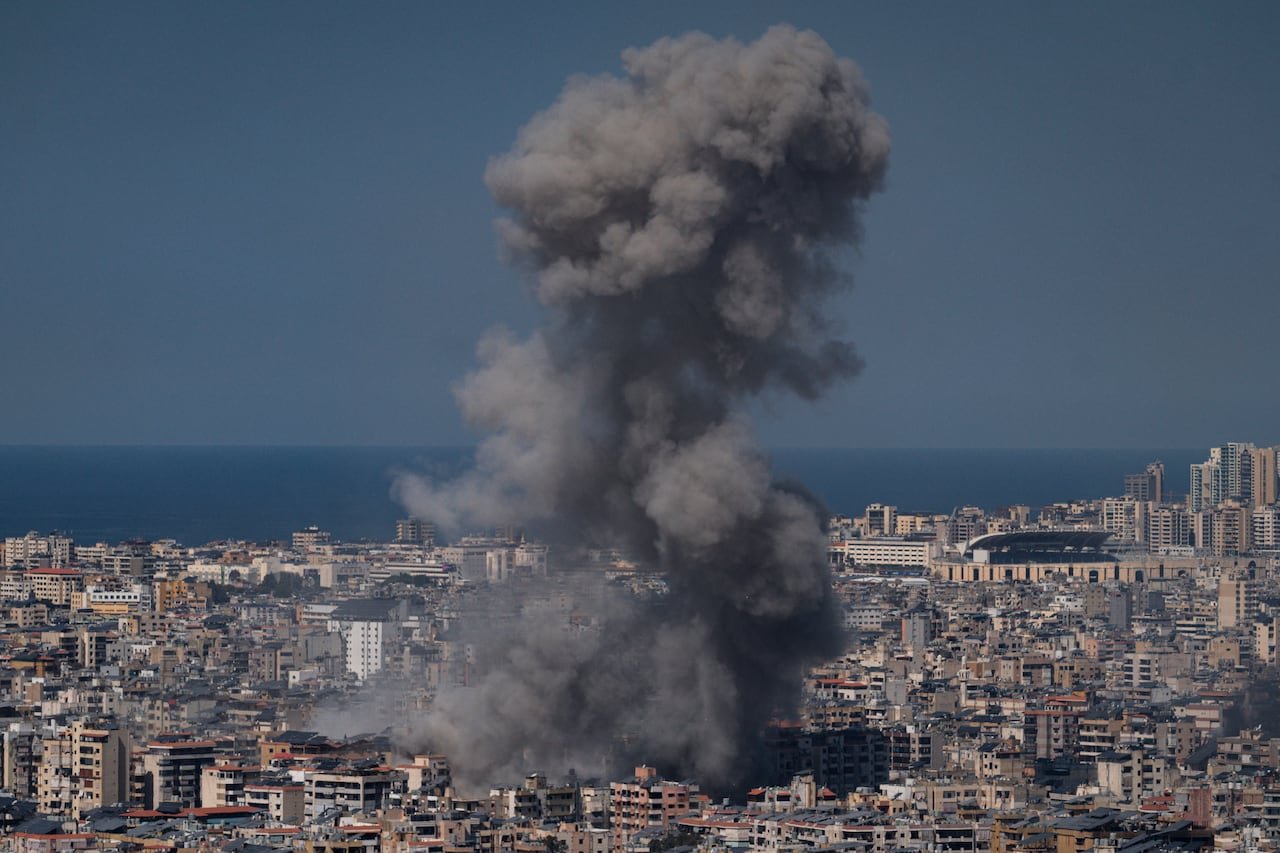
Lebanon has endured consecutive nights of heavy Israeli air raids, with the most severe bombardments focused on the southern suburbs of Beirut. This marks the fiercest military action since clashes reignited nearly two weeks ago.
The current conflict erupted following a joint U.S.-Israeli operation that eliminated Iran’s supreme leader on February 28. In retaliation, Hezbollah-a militia backed by Iran-launched rocket attacks into Israel, sparking renewed hostilities between Israel and Lebanon.
On one evening alone, Hezbollah and iranian forces coordinated a large-scale offensive, firing around 200 rockets into Israeli territory. The Islamic Revolutionary Guard corps openly claimed involvement in this joint assault-the first meaningful exchange since fighting resumed.
Expansion of Conflict Zones: From Border Areas to Central Beirut
The violence has spread beyond border regions into central urban areas of Lebanon. Over the past ten days, drones have penetrated previously untouched parts of downtown Beirut multiple times, indicating a shift toward more aggressive strikes within the capital itself.
A powerful blast early Thursday morning struck along Beirut’s Corniche promenade when at least three rockets hit a vehicle carrying a senior Hezbollah official. This attack caused eight deaths and dozens more injuries, highlighting how civilian zones are increasingly caught in crossfire amid escalating tensions.
Later that day,another airstrike targeted the Bachoura district in central Beirut,killing a high-ranking Hezbollah commander as part of ongoing aerial assaults by Israeli forces across the city.
Evolving Dynamics of Urban Combat
“The previous restraint against bombing inside Beirut appears to have disappeared,” observed political analyst Ali Hamade from Beirut. “Targeted killings or bombings could soon become commonplace anywhere throughout Lebanon.”
A Growing Humanitarian Catastrophe Amid rising Death Toll
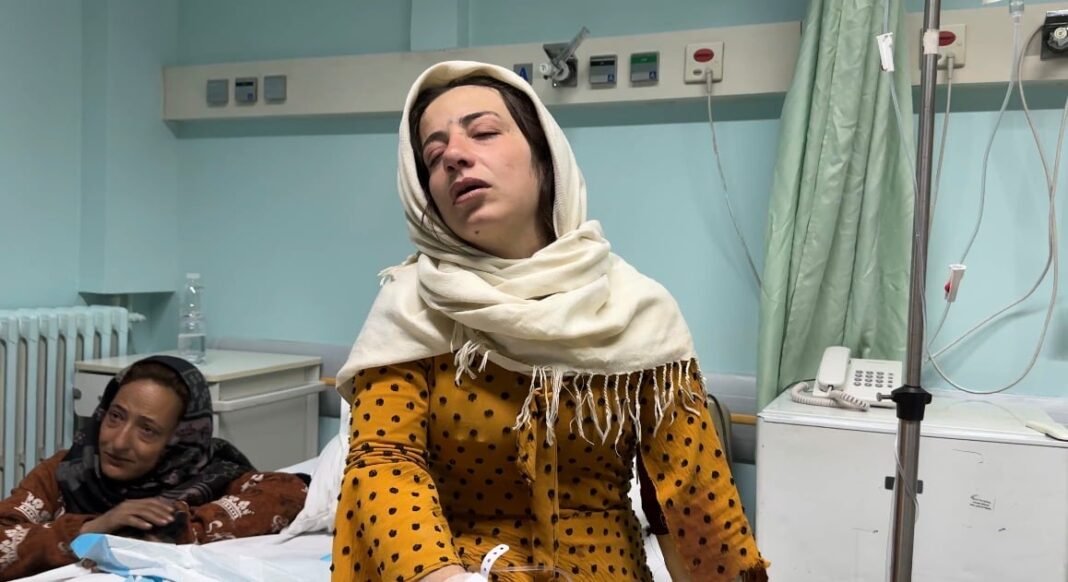
The humanitarian crisis deepens as Lebanese officials report nearly 700 fatalities alongside approximately 800,000 internally displaced people struggling to find refuge within their own contry-equivalent to about one-eighth of Lebanon’s population estimated at six million.
In temporary shelters scattered around Beirut,residents like Rabiaa strive to maintain some semblance of normal life despite relentless air raids just days earlier. Having fled her home with her pet birds intact five days ago, she expressed strong support for resistance efforts: “Without it we woudl be lost,” she said emphatically while recalling fears inspired by recent events elsewhere in Gaza.
An Increasing Flight from Southern Regions
- The Israel Defense Forces (IDF) recently extended evacuation orders northward beyond the Zahrani River-approximately 40 kilometers from Israel’s border-to protect civilians from anticipated intensified ground operations;
- IDF troop presence inside southern Lebanese territory has tripled over two weeks-from five positions up to eighteen-as part of an escalated campaign aimed at weakening Hezbollah strongholds;
- This military buildup signals intentions for prolonged engagement rather than quick resolution according to statements emphasizing continued reinforcements moving northward along contested borders;
Diplomatic Stalemate Amid Military Escalation
The Lebanese government remains largely sidelined during these developments with minimal influence over unfolding events. Despite President Joseph Aoun’s calls for international mediation and direct dialog with Israel-which were promptly rejected-the official stance struggles against mounting violence on Lebanese soil.
“Lebanon’s leadership is effectively watching helplessly as their nation unravels,” analysts note regarding regional dynamics where external powers prioritize strategic interests over local governance stability.”
This marginalization extends internationally; Washington reportedly dismisses overtures from Lebanese officials who are perceived as lacking substantial leverage or credible commitments amid complex geopolitical stakes involving Iran-backed groups versus U.S.-Israeli alliances.
an imbalanced Battlefield: Who Controls Ceasefire Decisions?
- Khalil Helou-a retired brigadier-general turned academic-asserts that Israel currently holds decisive control over ceasefire negotiations due to superior military positioning strongly supported by U.S backing focused on countering Hezbollah threats regionally;
- This imbalance reduces chances for immediate peace talks or negotiated pauses given prevailing strategic goals firmly held by both Tel Aviv and Washington administrations prioritizing containment rather than reconciliation at this stage;
- A recent warning issued by Israel’s Defense Minister cautioned that if Lebanese authorities fail to restrain Hezbollah rocket launches themselves “we will take matters into our own hands,” signaling possible territorial incursions beyond aerial strikes alone;
Navigating Complex Humanitarian Challenges Amid Strategic Maneuvers
Civilians remain caught between opposing forces whose actions ripple far beyond battle zones-disrupting daily life thru waves of displacement affecting hundreds of thousands while critical infrastructure such as airports continues operating under tacit agreements partly motivated by concerns about post-conflict recovery challenges facing fragile states like Lebanon today.