Asia-Pacific Markets Respond to Rising Iran-U.S. Tensions
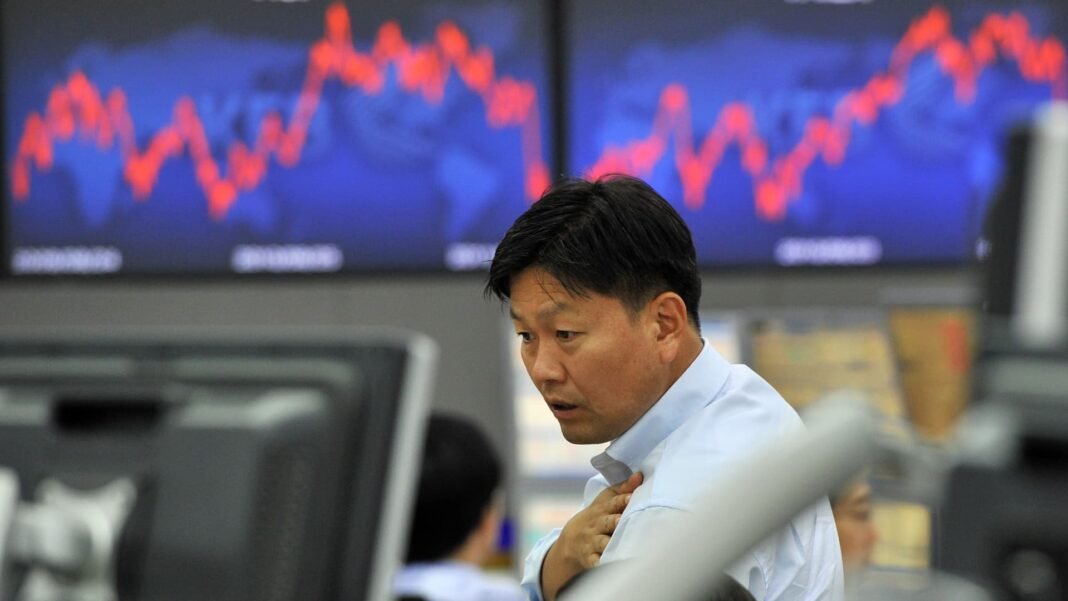
In Seoul, currency traders at the Korea Exchange Bank closely monitor volatile exchange rates, reflecting the heightened geopolitical uncertainty influencing global financial markets.
How Geopolitical Strains Shape Investor Confidence
The Asia-Pacific region witnessed varied market reactions following Iran’s declaration that it will not engage in direct talks with the United States. Despite this firm stance, Iranian officials revealed that Tehran is still considering a U.S. proposal aimed at de-escalating hostilities.
Iranian Foreign Minister abbas Araghchi emphasized that indirect communications through intermediaries should not be mistaken for formal negotiations with Washington,highlighting Tehran’s cautious diplomatic posture amid escalating tensions.
Earlier developments showed Iran rejecting a U.S. ceasefire offer while presenting its own conditions for conflict resolution, underscoring a complex and fragile diplomatic deadlock.
Insights from Market Strategists on Conflict and Financial Impact
Thierry Wizman, global foreign exchange and rates strategist at Macquarie Group, predicts that an immediate ceasefire is improbable. Instead, he foresees intensified U.S.military operations designed to compel Iran toward important concessions over the next several weeks-potentially peaking around mid-April.
“We may now enter a phase where negotiation attempts occur alongside ongoing military actions rather than sequentially,” Wizman explained in his recent commentary.
Divergent Trends Across Key Regional Stock Markets
- Australia: The S&P/ASX 200 index held steady throughout trading without major fluctuations amid cautious investor sentiment.
- Japan: The Nikkei 225 rose by 0.28%, while the Topix index gained 0.43%, signaling measured optimism despite regional uncertainties linked to geopolitical risks.
- Korea: South Korea’s Kospi index experienced a sharp decline of 1.55%,contrasting with a slight increase of 0.18% in its small-cap Kosdaq counterpart as investors weighed risk factors unevenly across sectors.
- Hong Kong & China:The Hang Seng index fell by 0.52%, whereas China’s CSI 300 remained flat ahead of critical economic data releases expected later this week, reflecting investor caution amid mixed signals about growth prospects.
The Influence of Global tensions on Energy Prices
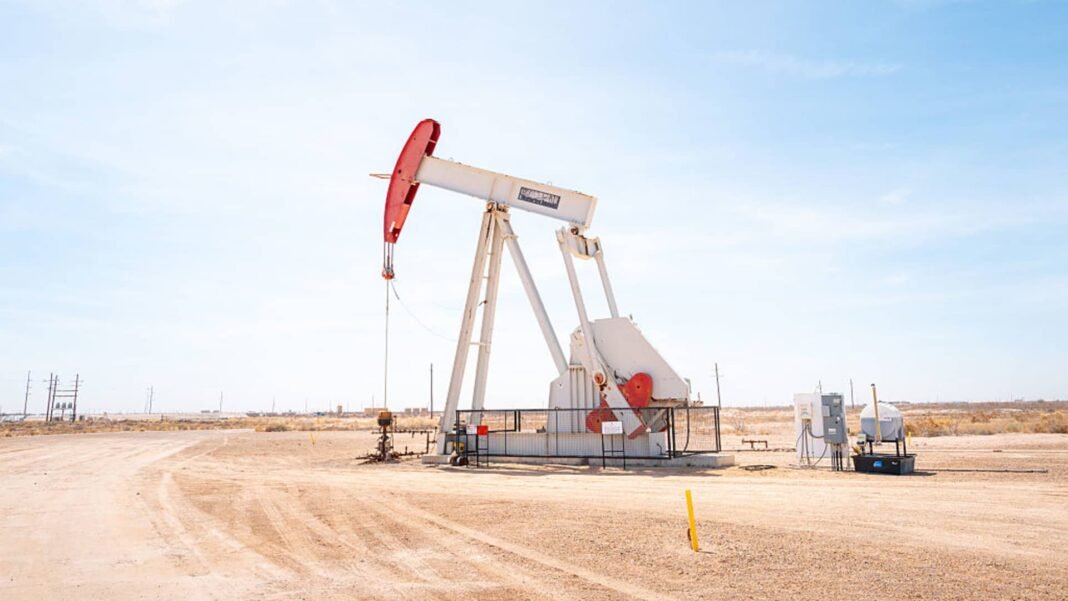
The oil market demonstrated relative calm during Asian hours; west Texas Intermediate (WTI) crude futures edged up by approximately 0.72% to hover near $91 per barrel-a price level shaped by supply concerns tied to Middle Eastern instability combined with evolving demand forecasts influenced by recent global economic data trends and shifting energy consumption patterns worldwide.
Nightside Rally: U.S Equity Markets Close on an Upbeat Note
- The Dow Jones Industrial Average surged over 300 points (+0.66%), closing above 46,400-the highest finish since early March-driven partly by easing fears over geopolitical escalation and encouraging corporate earnings results from key sectors.
- The S&P 500 advanced more than half a percent (+0.54%) to nearly 6,592 points as investors balanced mixed earnings reports against ongoing international tensions affecting risk appetite globally.
- the Nasdaq Composite outperformed peers with gains around +0.77%,closing just below twenty-two thousand points fueled largely by renewed buying interest in technology stocks recovering after recent volatility caused by inflation concerns and monetary policy shifts worldwide.
A Contemporary Overview: navigating Market Volatility Amid Global Uncertainty
This combination of persistent geopolitical friction alongside uneven performances across regional stock exchanges illustrates how sensitive financial markets remain to international conflicts impacting energy supplies and trade flows-key elements shaping investment decisions today within an environment marked increasingly by rapid oscillations between risk-on and risk-off sentiments across diverse asset classes globally.