Travelers Face Rising Airfare and Lengthy Airport Delays in 2026
How Fuel Price Surges Are Driving Up Flight Costs
This spring, jet fuel prices at key U.S. airports soared to nearly $4.05 per gallon, representing a sharp increase of over 60% since late February amid escalating geopolitical tensions in the Middle East. This dramatic rise has compelled airlines to revise their fare structures as operational expenses climb.
Flights traversing or skirting conflict-affected airspace have encountered notable disruptions, including mandatory rerouting that extends flight durations and inflates fuel consumption. Consequently, carriers worldwide are imposing higher ticket prices alongside additional fuel surcharges to manage these elevated costs.
Executives from major airlines like United Airlines anticipate airfare hikes reaching up to 20% throughout the year, reflecting persistent travel demand despite price pressures. Delta Air Lines similarly reports strong booking volumes even while grappling with increased fuel expenditures.
The impact of Ticket Price Increases on Traveler Choices
although airfare continues its upward trajectory, many passengers remain committed to flying for leisure and family visits. As an example, Michael Thompson from Seattle plans several domestic trips this year but is carefully monitoring his budget due to rising flight fares coupled with higher gas prices that make driving less economical.
A recent market review reveals that transatlantic flights now average approximately $1,100 when booked in advance-a surge exceeding 25% compared to last month-while popular cross-contry routes within the U.S. have also experienced notable fare inflation.
Airport Security Bottlenecks Compound Travel Frustrations
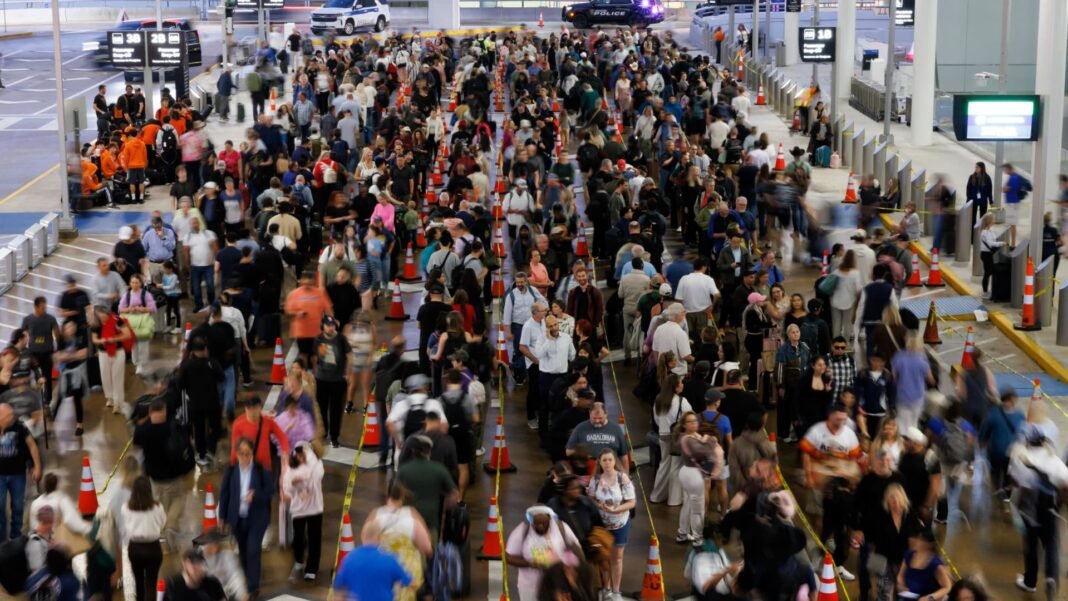
The travel experience this season has been further complicated by extended security screening delays at major hubs such as Chicago O’Hare International Airport and Dallas/Fort worth International airport. A shortage of Transportation Security Administration (TSA) personnel-exacerbated by a partial goverment shutdown lasting over six weeks-has resulted in wait times surpassing three hours in some cases.
This staffing shortfall originated when TSA officers began working without pay starting mid-February due to congressional funding deadlocks affecting the Department of Homeland Security (DHS). Nearly 500 TSA employees resigned under these conditions while many others reduced shifts or called out sick.
The Involvement of ICE Agents amid Staffing Gaps
To alleviate pressure on airport operations during this period, Immigration and Customs Enforcement (ICE) agents were deployed at select airports primarily for observational roles related to passenger flow management; however, their presence raised concerns among travelers about potential intimidation effects on vulnerable groups as well as morale challenges among unpaid TSA staff members.
Voices From the Traveling Public on Prolonged Waits
“If I encounter another five-hour security line,” shared David Ramirez, a frequent flyer based in Miami who travels for business regularly, “I might switch entirely to bus or rail options.” Many passengers express similar frustrations as lengthy waits threaten future airline bookings despite overall strong demand for air travel this year.
Airlines Adjust Capacity Strategies Amid Market Volatility
Airline leadership stresses flexibility when managing schedules moving forward. For example, American Airlines announced plans to reduce capacity by roughly three percent during off-peak periods such as midweek red-eye flights next quarter while closely tracking nationwide passenger trends.
This strategy aims at aligning supply with fluctuating demand patterns while mitigating financial risks tied not only to volatile fuel markets but also ongoing operational challenges stemming from airport staffing shortages globally.
Tactical Approaches Travelers Use To Stretch Their Budgets
An increasing number of informed travelers adopt strategies like purchasing basic economy tickets combined with elite frequent flyer benefits that permit seat upgrades or else unavailable on discounted fares-a method employed by Rachel Kim from Portland who frequently visits relatives across states without incurring excessive airfare costs.
This “flight hacking” approach helps maintain affordable travel budgets amid rising ticket prices but demands careful planning given evolving airline policies post-pandemic designed toward revenue optimization thru ancillary fees and restrictions placed on no-frills tickets.
Navigating Future Travel: Balancing expense With Convenience
- Sustained pressure on aviation pricing: Elevated jet fuel costs paired with geopolitical instability continue shaping global airline pricing models into late 2026;
- TSA workforce shortages remain critical: Government funding impasses directly contribute toward longer airport wait times negatively impacting traveler satisfaction;
- Diverse traveler adaptations: Some opt for option transportation modes or adjust trip frequency while others creatively leverage loyalty programs;
- Sustainability gains importance: Growing interest in environmentally friendly alternatives may influence future consumer decisions alongside cost considerations;
the complex interaction between economic forces pushing airfare upward and logistical hurdles causing airport delays highlights an evolving environment where passengers must increasingly weigh convenience against cost when planning journeys throughout the remainder of this year-and beyond into future travel seasons.