
Enhanced Safeguards for Migratory Species Signal a major Step in Global Conservation
Following extensive negotiations in Campo Grande, Brazil, 40 migratory species have received upgraded protections under the Convention on the Conservation of Migratory Species of Wild Animals (CMS), an international treaty established in 1979. this achievement highlights a strengthened global dedication to conserving wildlife that traverse multiple nations and diverse ecosystems.
The Complex Movements of Migratory Wildlife Across Borders
Migratory animals are distinguished by their seasonal journeys spanning continents and oceans rather than residing permanently in one location. As a notable example, the Arctic tern undertakes one of the longest migrations on Earth, traveling from its Arctic breeding grounds to Antarctic wintering areas-covering over 25,000 miles annually. Recent satellite tracking reveals shifts in these routes likely influenced by changing ocean temperatures and prey availability due to climate change.
The inclusion of such species on CMS appendices fosters multinational cooperation essential for protecting critical habitats along their migratory corridors. Norway recently championed efforts to include certain bird species exhibiting altered migration patterns caused by environmental stressors.
Newly Protected Marine and Freshwater Species: Sharks and Otters
This CMS session also elevated two hammerhead shark species to Appendix I status, reserved for those facing imminent extinction risks requiring stringent safeguards. These sharks embark on extensive migrations vital for reproduction but suffer from threats like accidental capture in fishing gear and illegal finning practices.

Marine biologists warn that populations have dropped by more than 80 percent over recent decades; this new classification obliges member countries to ban intentional catches or trade aimed at recovery efforts.
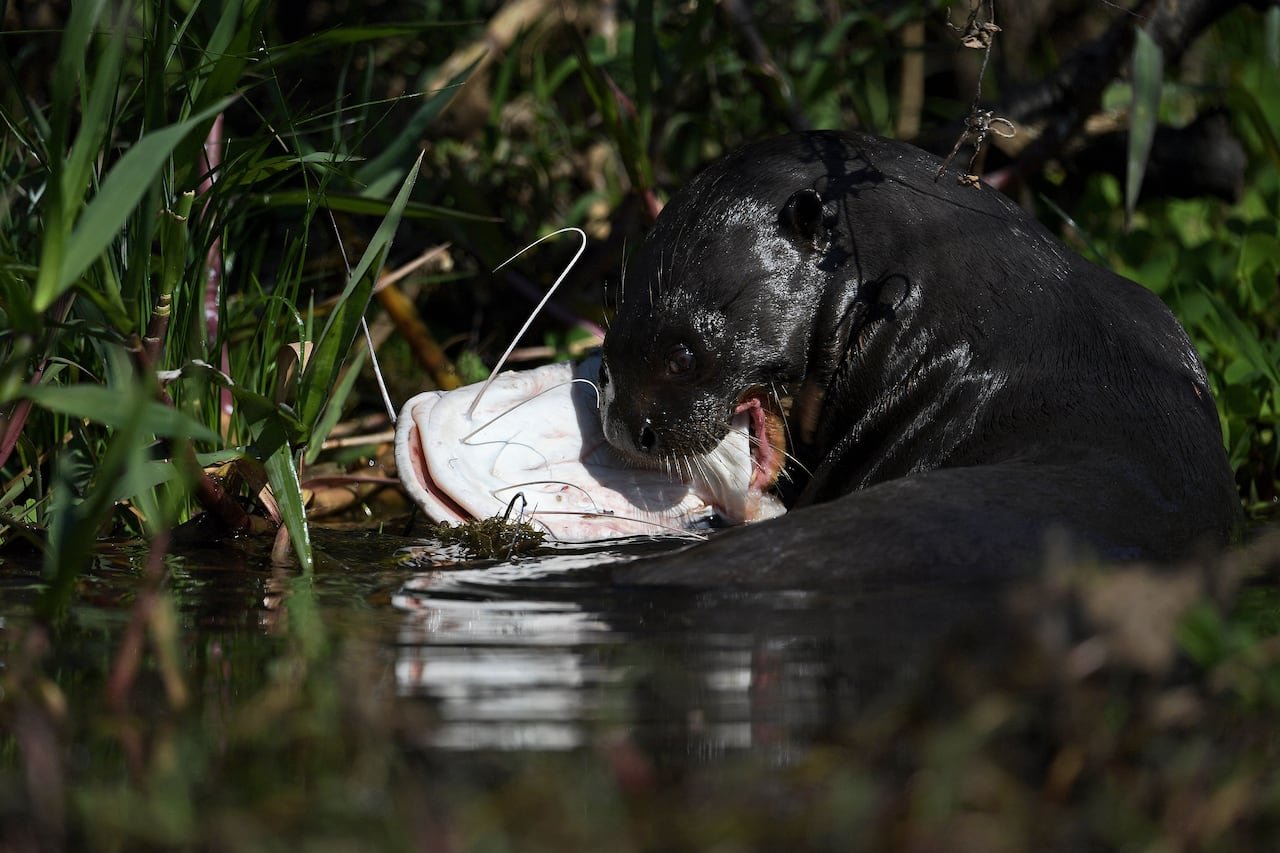
Additionally, giant otters inhabiting South America’s Pantanal wetlands were recognized with increased conservation priority because their seasonal movements closely follow fluctuating water levels during rainy seasons-a behavior crucial for feeding and breeding success.
%3B)
Biodiversity Protection Expands Amid Ongoing Challenges
The total number of migratory species safeguarded across both CMS appendices now surpasses 1,200 worldwide-reflecting heightened awareness about biodiversity loss driven by habitat fragmentation, climate disruption, pollution accumulation, and unsustainable resource use.
While more than 130 countries participate actively-including many South American nations collaborating closely at this event-some influential economies heavily involved in agriculture or fisheries remain outside the treaty framework. this gap limits enforcement effectiveness since CMS depends primarily on voluntary adherence without binding legal mandates or sufficient funding support mechanisms.
A Regional Model Demonstrating Collaborative Progress
Selecting Brazil’s ecologically rich Pantanal as host site helped stimulate regional partnerships among neighboring states sharing migratory pathways crossing tropical forests and freshwater systems alike-illustrating how local leadership can drive meaningful advances even when global consensus is incomplete.
A Unified Appeal: From Policy Adoption Toward Practical Action
- Cheetahs: Included alongside other terrestrial mammals needing connected habitats across borders;
- Savanna birds: Neotropical migrants reliant upon protected stopover sites during long journeys;
- Diverse fish populations: Such as key catfish species essential for maintaining aquatic ecosystem balance;
- Migrating marine fauna: Beyond hammerheads – additional oceanic creatures benefit indirectly through reinforced regulations;
- (All these groups share a common trait: movement beyond political boundaries demands multinational collaboration.)
this gathering emphasized that while listing is an crucial scientific milestone coupled with diplomatic progress-the greater challenge lies ahead: converting commitments into effective conservation actions supported by adequate resources.
“The momentum generated here must translate into concrete outcomes,” stressed environmental advocates amid accelerating global biodiversity crises.
Laying Foundations for Future Achievements Before COP16
The forthcoming conference will be held in Bonn, Germany-the original signing venue-in four years’ time coinciding with CMS’s fiftieth anniversary.
This landmark occasion offers not only reflection but renewed ambition focused squarely on measurable improvements securing migratory wildlife worldwide.
“Safeguarding free-ranging animals requires transcending borders; it calls for science-based policies combined with steadfast political resolve.”