Revolutionizing Affordable Obesity Care: Wegovy Subscription Plans Unveiled
Expanding access to Wegovy Through Innovative Subscription Models
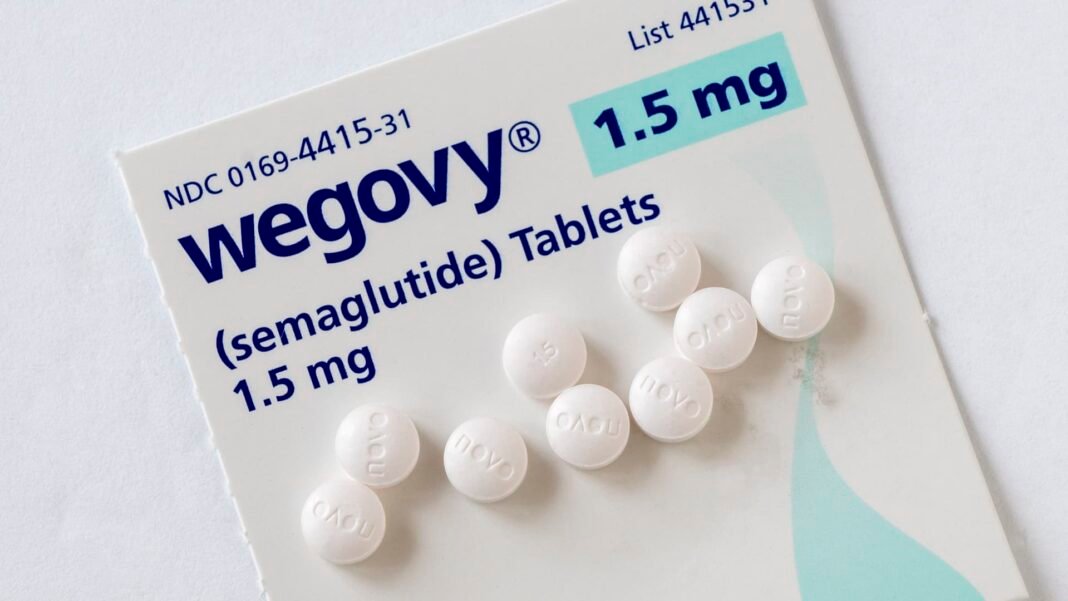
Novo Nordisk has introduced a novel subscription service for its obesity treatment, Wegovy, targeting patients who pay out-of-pocket.This new offering provides flexible three-, six-, and twelve-month plans that cover both the injectable version of Wegovy and its two highest-dose oral tablets under one convenient program.
The longer the subscription commitment, the more substantial the monthly cost reduction. Projections suggest that patients could save as much as $1,200 annually on injections and up to $600 per year on oral tablets compared to standard month-to-month payments.
Detailed Pricing Structure and Savings Overview
Injection subscription Plans (0.25 mg, 0.5 mg, 1.7 mg & 2.4 mg doses):
- 3 months: $329/month – approximately $240 saved yearly
- 6 months: $299/month – nearly $600 saved annually
- 12 months: $249/month – savings reaching up to $1,200 per year
Pill Subscription Plans (9 mg & 25 mg doses):
- 3 months: $289/month – about $120 saved each year
- 6 months: $269/month – roughly $360 in annual savings
- 12 months: $249/month – estimated savings of up to $600 yearly
Tackling Adherence Challenges in GLP-1 Obesity Treatments with consistent Pricing
A important hurdle in managing obesity with GLP-1 receptor agonists like Wegovy is patient dropout caused by side effects or fluctuating costs. Studies reveal that nearly two-thirds of users discontinue therapy within their first twelve months.
This subscription approach not only stabilizes monthly expenses but also supports ongoing treatment adherence by permitting dose modifications without increasing fees-offering patients greater flexibility throughout their weight management journey.
Simplified Enrollment via Telehealth Platforms Nationwide
The subscription program is immediately available through multiple telehealth providers including Ro Health, WeightWatchers Health Solutions, lifemd, Sesame Care, and Hims & Hers-with plans for additional partners soon-making it easier than ever for eligible individuals across the country to sign up from home.
Navigating Competitive Pressures While Broadening Patient Access
This launch coincides with surging demand for Novo’s oral semaglutide following its U.S debut earlier this year amid intensifying competition from Eli Lilly’s forthcoming oral GLP-1 therapy expected later this year.Currently, Lilly holds around 60% of branded GLP-1 prescriptions in America compared to Novo’s approximate 39% market share.
Novo Nordisk aims to attract new users unfamiliar with injectable treatments by promoting convenient pill options bundled with cost-saving subscriptions before competitors increase their presence in this segment.
Pill Pricing Updates and Upcoming Enhancements
- The lower-dose pills (1.5 mg and 4 mg) remain purchasable outside subscriptions starting at $149 per month;
- The price for the 4-mg dose will rise slightly-to $199 monthly beginning August;
- A higher-strength pill dose (7.2 mg) is slated for inclusion in subscription offerings later this year;
- Cancellations are flexible-patients may discontinue anytime during an active subscription without penalty if they choose not to continue treatment under these terms.
A Patient-Focused Strategy Supporting Lasting Obesity Management
“our mission centers on empowering those living with obesity through predictable pricing models that encourage long-term commitment,” stated a Novo Nordisk marketing executive.
“This strategy fosters confidence among patients embarking on extended therapy.”
Novo currently does not provide these subscriptions via its direct-to-consumer pharmacy platform but remains open to expanding access based on early program results over time.
The Broader Context: Addressing Medication Affordability Amid Chronic Disease Management
This innovative pricing framework aligns with growing trends toward value-based care solutions designed to enhance medication adherence while reducing financial strain-a crucial consideration given recent surveys showing nearly half of Americans skip prescriptions due primarily to cost concerns.