Argentina Expels Iranian Diplomat Amid Escalating Diplomatic Tensions
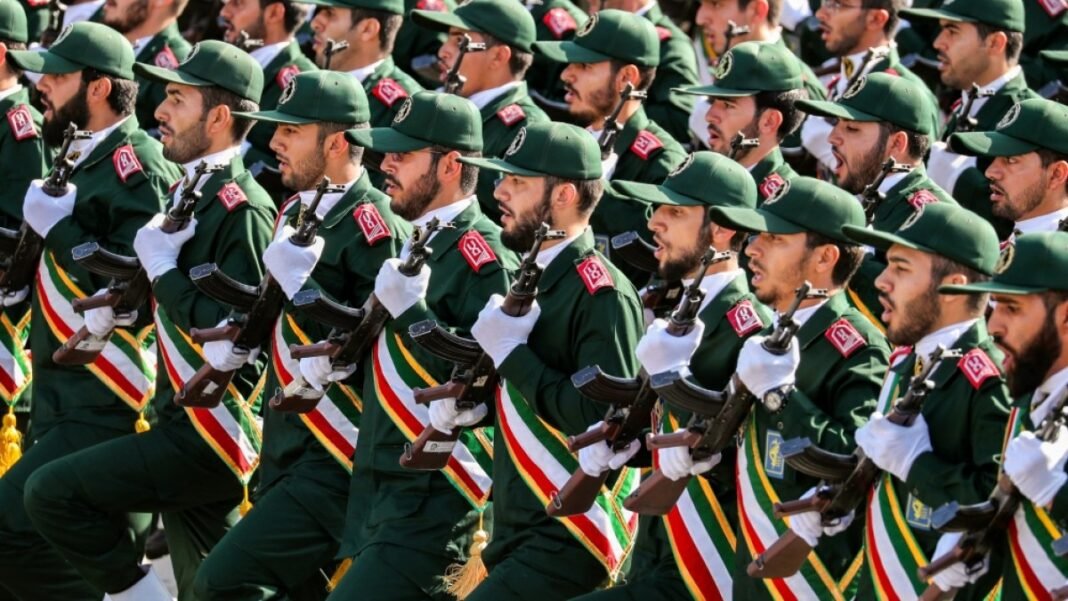
Argentina has taken a decisive diplomatic step by declaring Mohsen Tehrani, Iran’s charge d’affaires in Buenos Aires, persona non grata and ordering his removal from the country. This move highlights growing friction between the two nations following Argentina’s official classification of the Islamic Revolutionary Guard Corps (IRGC) as a terrorist association.
Diplomatic Strain Triggered by Terrorist Label
The Argentine Foreign Ministry explained that this expulsion was prompted by Tehran’s strong condemnation of Buenos Aires’ decision to designate the IRGC as a terror group. Argentina criticized Iran’s response for containing “false, offensive, and baseless accusations” aimed at its government and top officials.
Buenos Aires stressed that such rhetoric constitutes unacceptable interference in its sovereign affairs and misrepresents decisions made under both international law and domestic legislation.
Iran’s Counterclaims: Blaming External Forces
The Iranian Foreign Ministry denounced Argentina’s designation of the IRGC as harmful to iran’s national security interests.Tehran accused Argentina of succumbing to pressure from what it called “the genocidal occupying Zionist regime,” referring to Israel.
Iran warned that blacklisting one of its key military branches damages bilateral ties with Argentina and sets a hazardous precedent for global diplomatic relations.
The international Landscape: The IRGC’s Global Status
The United States first labeled the IRGC as a terrorist entity in 2019, followed by several other countries adopting similar stances.In early 2024, the European Union also imposed sanctions on this military force amid mounting concerns about its activities across various regions worldwide.
Argentina’s Shift Toward pro-Israel Policies
Under President Javier Milei-a right-wing leader who recently described himself as “the most Zionist president globally”-Argentina has embraced strongly pro-Israel policies. Milei has forged close ties with former U.S. President Donald Trump’s governance; notably, Washington extended $20 billion in economic aid to Argentina last year during financial instability.
This alignment was welcomed by Israeli officials after Buenos Aires officially designated the IRGC as a terrorist group.Israeli leaders praised this move for positioning Argentina at “the forefront of global efforts against Iranian terror networks.”
A Past Context: Revisiting the 1994 AMIA Bombing Case
An Argentine court ruled in 2024 that Iran bore obligation for bombing a jewish community centre in Buenos Aires three decades ago-a tragedy resulting in dozens of deaths. Despite this ruling, Tehran continues denying involvement while pointing out numerous controversies surrounding investigations over many years.
Milei’s government cited this unresolved case when deciding to formally blacklist the IRGC.
Tensions Surrounding Investigation Cooperation
This week saw renewed accusations from Iran claiming Argentine authorities have politicized their inquiry into the bombing incident-asserting persistent unanswered questions remain due to external influences affecting judicial processes.
Conversely, Argentina reproached Iran for obstructing justice through refusal to cooperate or extradite suspects linked with the attack.The Foreign Ministry declared:
“The Argentine Republic will not tolerate grievances or interference from any state systematically failing its international obligations while hindering justice.”
Bilateral Relations Under Pressure: Wider Implications
- Diplomatic Fallout: This escalation threatens further deterioration between two historically complex partners amid increasing geopolitical pressures worldwide.
- evolving Global Alliances: With shifting coalitions favoring Western-backed efforts opposing Iranian influence-including recent multilateral initiatives involving over 40 countries addressing strategic maritime chokepoints-the stakes are higher than ever before.
- Sovereignty Challenges: Both nations grapple with balancing assertions of national sovereignty against accusations perceived as foreign meddling or propaganda campaigns influencing internal politics through external narratives.
A New Phase Amid heightened Global Security Concerns
This advancement illustrates how regional disputes intersect with broader global security dynamics today-where designations like “terror” groups carry notable diplomatic consequences impacting trade relations, intelligence sharing agreements, and overall geopolitical stability across Latin America and beyond.