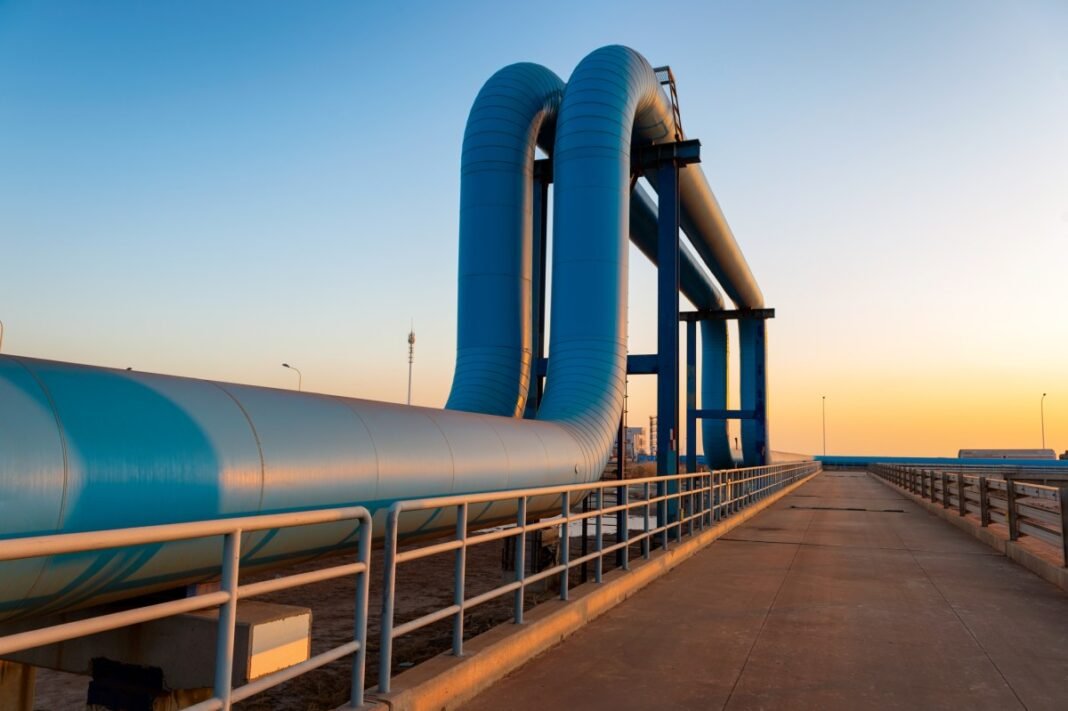
Rising Natural Gas Demand Driven by AI Advancements
AIS Expanding Energy Needs Transforming Power Generation
The rapid evolution of artificial intelligence has sparked an unparalleled surge in energy consumption, surpassing previous tech booms like the dot-com era and blockchain hype. This escalating demand is pushing major technology corporations too invest heavily in natural gas infrastructure to ensure a steady power supply for their AI operations.
As a notable example, Microsoft has teamed up with Chevron and Engine No. 1 to build a natural gas power plant in West Texas designed to produce up to 5 gigawatts (GW) of electricity. Meanwhile, Google is partnering with Crusoe Energy Systems on a 933 megawatt (MW) facility also situated in North Texas. Meta has considerably expanded its Hyperion data center complex in Louisiana by adding seven new natural gas plants, increasing its total capacity to approximately 7.46 GW-enough electricity to support the entire population of states like Nebraska.
Geographic Focus and Supply Chain Challenges
The bulk of these investments are concentrated in southern U.S. regions abundant with natural gas reserves. according to recent assessments, one such area could theoretically provide enough energy for the entire United States for nearly ten months straight-a testament to why data center operators are aggressively securing resources there.
This surge has triggered notable supply chain bottlenecks: turbine prices have soared by nearly 200% since 2019 due to scarcity and prolonged lead times now extending up to six years. Given that turbines account for roughly one-quarter of total power plant expenses, these delays threaten project timelines well into the late 2020s.
Long-Term Bets on AI Growth Amid Production slowdowns
Tech giants are banking on continuous exponential growth in AI workloads that will require vast amounts of dependable electricity primarily sourced from natural gas plants. However, this strategy carries inherent risks as production growth from critical shale formations-such as the Permian Basin-has recently slowed after years of rapid expansion.
The opacity surrounding contract pricing terms adds further uncertainty; unexpected price hikes or supply constraints could substantially increase operational costs across these facilities.
Effects on Electricity Markets and Industrial Sectors
Natural gas currently fuels about 40% of U.S. electricity generation, making utility rates highly sensitive to fluctuations in fuel costs. Although some companies implement “behind-the-meter” solutions-directly linking their generation assets with data centers rather than relying solely on public grids-they still exert considerable pressure on overall natural gas demand systems.
This rising consumption may strain other sectors beyond residential users; industries like petrochemicals depend heavily on consistent natural gas supplies but face challenges transitioning fully toward renewables such as wind or solar due to specific process requirements that renewables cannot yet fulfill reliably.
The Fragility Exposed by Extreme Weather Events
Severe weather incidents can abruptly disrupt fuel availability-as demonstrated during Texas’ winter storm crisis when freezing temperatures forced wellhead shutdowns causing widespread blackouts despite nearby renewable energy sources being available.
“During intense cold spells, suppliers must make difficult decisions between powering vital infrastructure like data centers or ensuring residential heating needs are met.”
Sustainability Concerns Amid Finite Resource Constraints
The notion that tech firms “bring their own power” through dedicated facilities obscures a more complex reality: they shift stress away from electrical grids onto finite fossil fuel networks already strained globally amid geopolitical tensions and climate imperatives.
This raises fundamental questions about long-term sustainability strategies within digital infrastructure expansion-is doubling down on fossil fuel-based generation truly viable? As global renewable capacity grows rapidly-with solar installations increasing over 20% annually worldwide-the continued reliance on expanding fossil-fueled plants may prove shortsighted given evolving environmental policies and market trends favoring cleaner alternatives.