Rising Hostilities: Intensified U.S.-Iran Clashes Amid Military and Cyber Operations
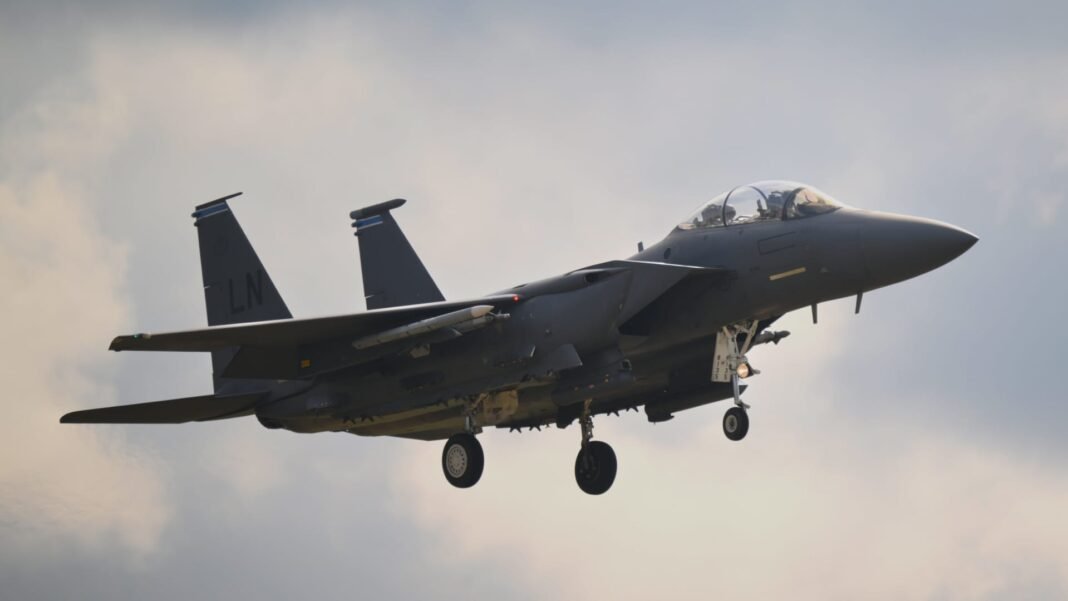
Ongoing Search for Missing U.S. Airman After F-15E Crash in Iranian Territory
The U.S. armed forces are vigorously pursuing efforts to locate a missing airman following the downing of an F-15E Strike Eagle over southwestern Iran. While one crew member has been successfully recovered, the second remains unaccounted for as both American and Iranian teams conduct extensive search missions.
Tehran has confirmed shooting down the two-seat F-15E fighter jet, marking a critical escalation as this is the first verified case of Iranian forces downing a U.S. combat aircraft since hostilities escalated.Simultaneously, reports reveal that an A-10 Warthog pilot ejected safely after his aircraft was hit by Iranian fire near Kuwait’s airspace.
During these operations inside Iranian airspace, two Black Hawk helicopters came under opposed fire but managed to withdraw without casualties, according to official statements from Washington.
Diplomatic Deadlock and Strategic Implications
The possibility that Tehran may detain the missing airman has intensified concerns in Washington about Iran exploiting this situation for political leverage. In response, former President Donald Trump issued stern warnings underscoring limited timeframes for negotiations before severe repercussions ensue.
Despite ongoing clashes, diplomatic channels remain cautiously active; Pakistan is reportedly facilitating ceasefire talks with both parties showing tentative willingness-though Iran insists any dialog must guarantee a conclusive end to what it calls an “unlawful war.”
Voices from Key Stakeholders
- Donald Trump: Foresees rapid resolution within weeks while maintaining pressure on Tehran’s leadership.
- Iranian Foreign Minister Abbas Araqchi: Appreciates Pakistan’s mediation but stresses non-negotiable terms for peace.
- Pakistani Officials: Affirm steady progress toward ceasefire discussions despite persistent hostilities.
Aerial Strikes Disrupt Civilian Infrastructure Across UAE
The conflict’s impact extends beyond battlefields as waves of missile and drone attacks launched by Iran have targeted multiple sites throughout the Middle East. The United Arab Emirates intercepted dozens of incoming threats within just 24 hours alone during recent escalations.
An incident involving falling debris damaged Oracle’s Dubai office causing minor structural harm but no injuries-a stark illustration of how regional technology hubs face growing vulnerabilities amid rising geopolitical tensions between global powers involved in this conflict.
Cruise Missile Allocation Prioritizes Operations Against Iran
The U.S. military has shifted most of its advanced Joint Air-to-Surface Standoff Missiles Extended Range (JASSM-ER) towards missions related directly to Iran’s theaters of conflict. This reallocation leaves roughly 425 such missiles available globally outside this focus area-a notable strategic adjustment reflecting heightened combat demands in the region.
Munitions Details:
- $1.5 million cost per missile;
- Mainly sourced from Pacific stock reserves;
- Aimed at precision strikes targeting high-value assets linked to Iran-related engagements;
Tightened Immigration Policies Target Individuals Connected with Pro-Iran Entities
The current administration revoked green cards and visas held by several Iranians associated with governmental or paramilitary groups tied to Tehran’s regime-including relatives of former IRGC commander Qassem Soleimani who openly resided in Los Angeles while promoting anti-American rhetoric and activities publicly.
“The United States will not tolerate harboring foreign nationals who support terrorist regimes opposed toward America,” declared Secretary Marco Rubio when announcing these measures which include detentions pending deportation proceedings against some individuals involved.
Nuclear Facility Incident Raises Regional Security Alarms
An attack near Bushehr nuclear power plant caused injuries among workers along with structural damage but did not trigger radiation leaks; though, international observers warn such assaults dangerously increase risks surrounding nuclear infrastructure stability amid ongoing warfare dynamics.
Iranian officials caution repeated strikes could provoke wider regional catastrophes if left unchecked.
Simultaneously occurring, Russia’s Rosatom continues evacuations at Bushehr due to escalating security concerns directly linked to current conflict conditions.

Nuclear Safety Under Threat Amid Conflict Escalation
- No detected rise in radiation levels following recent strike;
- Moscow evacuated nearly 200 personnel recently citing security threats;
- Tensions jeopardize long-term operation viability at critical energy facilities across region;
- Certain geopolitical consequences loom if attacks persist around sensitive nuclear sites.
Cyber Warfare Targets Global Tech Giants Operating Regionally
The Islamic Revolutionary Guard Corps (IRGC) declared several major American technology firms legitimate targets after retaliatory actions attributed partly to cyberattacks disrupting digital infrastructure across Middle Eastern markets.
Companies named include Nvidia, Apple, Microsoft, Google alongside others like Cisco and Tesla-highlighting how modern conflicts increasingly integrate economic disruption through cyber offensives aimed at data centers and cloud platforms essential for commercial continuity.
Industry analysts warn this trend signals future wars may prioritize digital assets equally alongside traditional military objectives.
“Technology infrastructure now forms a central battlefield component,” noted cybersecurity expert James Henderson.
Earlier incidents included successful drone strikes on Amazon Web Services data centers causing widespread outages affecting numerous applications used daily by UAE businesses.
Aerial Offensives Strike Petrochemical Facilities Amid Broader Regional Turmoil
Iranian state media confirmed recent airstrikes damaged petrochemical zones located southwest within national borders resulting in injuries while also reporting projectile impacts near Bushehr nuclear site killing one individual though plant operations remained stable.
Simultaneously Israel intensified campaigns targeting Hezbollah positions inside Lebanon after militant rocket launches supporting Tehran-backed factions provoked retaliatory responses aimed at degrading militant infrastructures around Beirut.
This multi-front confrontation underscores how intertwined proxy battles continue shaping volatile Middle Eastern geopolitics today.
- Affected petrochemical installations sustained operational disruptions yet remain functional;
- IDF reported coordinated strikes designed to weaken Hezbollah capabilities following cross-border aggression;
- This cycle reflects persistent escalation risks threatening broader regional stability beyond immediate combatants’ borders;