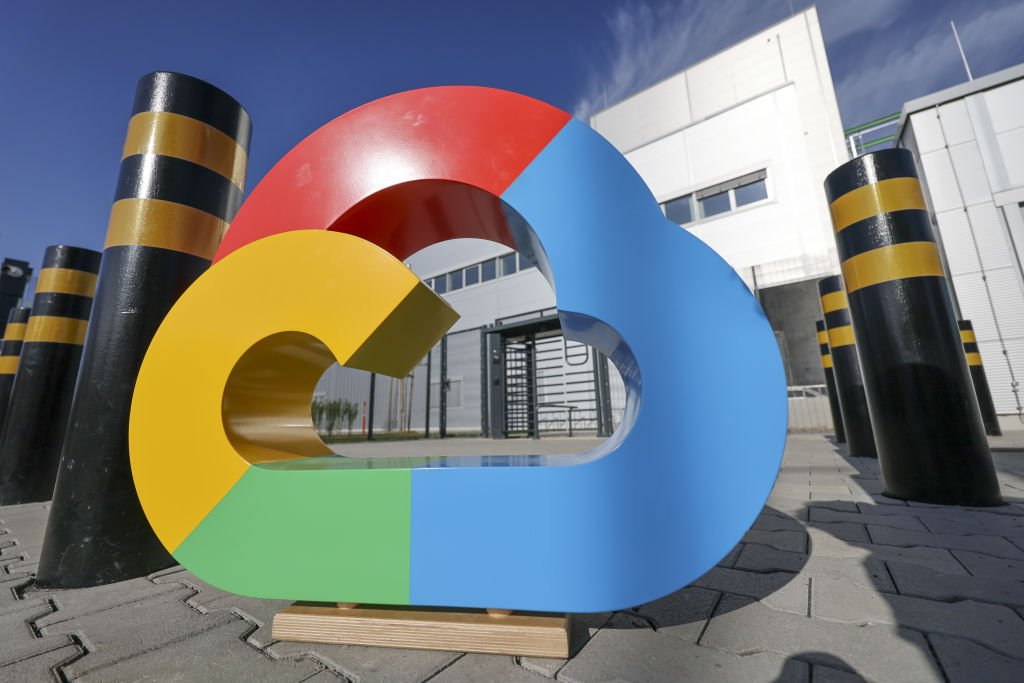
google and Intel Forge Stronger AI Partnership with Extended Multiyear Deal
Google Cloud and Intel have announced a significant renewal of thier collaboration, targeting advancements in AI infrastructure through joint processor innovation.This extended partnership will enable Google Cloud to continue utilizing Intel’s state-of-the-art Xeon processors, including the latest Xeon 6 series, to support a wide range of AI applications such as cloud services and inference workloads.
Advancing Custom Processing technologies for Enhanced Efficiency
A key focus of this alliance is the further growth of specialized infrastructure processing units (IPUs). These IPUs are engineered to boost data center performance by offloading specific computational tasks from conventional CPUs, thereby improving overall efficiency. Since its launch in 2021, the collaboration has prioritized creating custom ASIC-based IPUs tailored specifically for today’s demanding AI environments.
The Essential Role of CPUs Amid Growing Industry Demand
While GPUs remain crucial for training sophisticated AI models, CPUs are equally vital for running these models and maintaining system stability. The semiconductor industry is currently witnessing an unprecedented surge in CPU demand driven by rapid growth in artificial intelligence technologies. For example, recent supply chain disruptions have caused CPU shortages affecting sectors reliant on cloud computing and edge devices worldwide.
This increased demand has encouraged companies like Arm Holdings-under SoftBank ownership-to enter the CPU market with their inaugural self-designed chip: the Arm AGI CPU. This strategic move reflects how major players are addressing supply constraints while fostering innovation within the chip manufacturing landscape.
Creating Balanced architectures: The Future blueprint for Scalable AI Systems
“Achieving scalable artificial intelligence requires more than just accelerators; it demands harmonious systems where CPUs and IPUs collaborate effectively,” emphasized Intel CEO Lip-Bu Tan. “These components are critical to delivering both performance efficiency and flexibility needed by modern AI workloads.”
This perspective highlights a growing trend toward integrated hardware solutions that combine diverse processing units to meet evolving computational challenges efficiently.
Practical Outcomes: Hybrid Architectures Transforming Data Centers
Top cloud providers have started implementing hybrid architectures that merge Intel’s Xeon processors with custom-built IPUs to better manage varied workload demands. As an example, some hyperscale data centers report throughput improvements exceeding 30% when leveraging these specialized chips alongside customary CPUs during peak operational periods.
- Intel Xeon Processors: Driving core compute functions across Google Cloud’s global infrastructure footprint.
- Bespoke ASIC-based IPUs: Delivering targeted acceleration within data centers while enhancing energy efficiency metrics.
- Diversification Initiatives: Industry leaders like Arm entering CPU design amid worldwide chip shortages illustrate broader moves toward technological independence and innovation acceleration.
The Path Forward: Collaborative Innovation Shaping Next-Gen AI Hardware
the expanded agreement between Google Cloud and Intel exemplifies how strategic partnerships can jointly tackle technological hurdles alongside supply chain challenges. By co-developing next-generation processors optimized specifically for artificial intelligence workloads, they aim to establish new benchmarks in performance amidst an increasingly competitive semiconductor ecosystem.