Brazil and United States Unite to Tackle Drug and Arms Trafficking Networks
In a significant move to confront transnational crime, Brazil and the United States have established a strategic partnership focused on dismantling illicit drug and firearm trafficking operations. This alliance represents an intensified commitment from both nations to address cross-border criminal activities more effectively.
core Components of the bilateral security Initiative
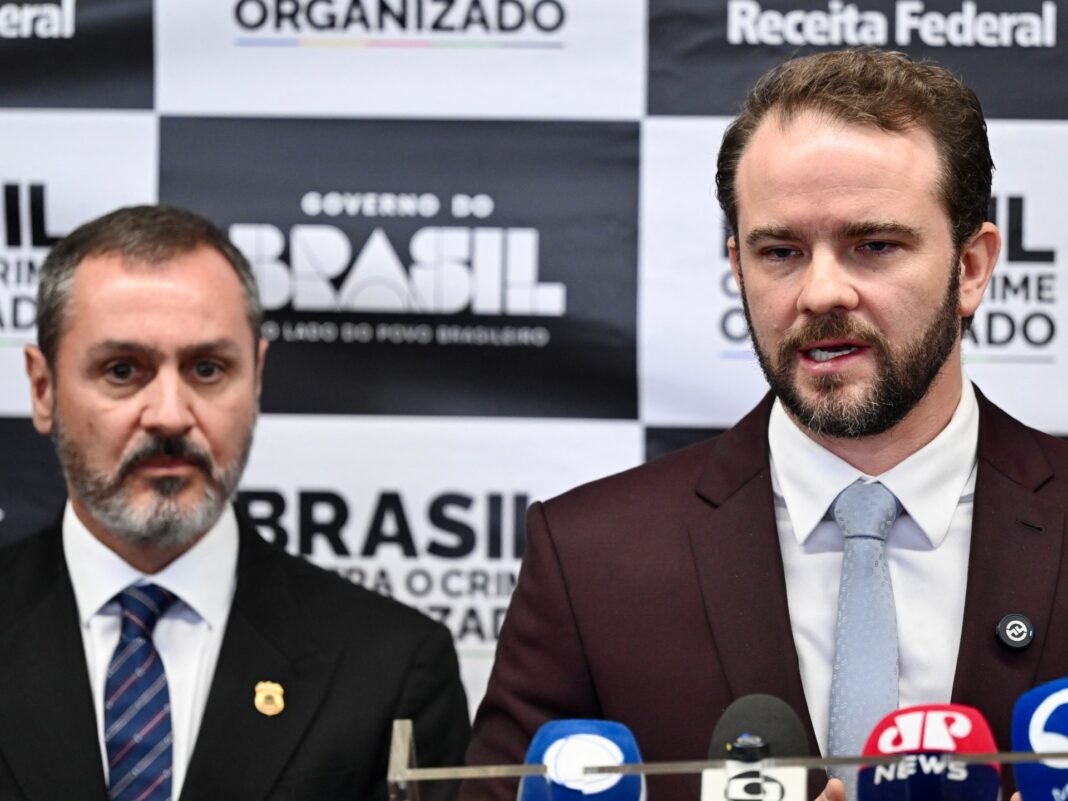
The Brazilian government, led by President Luiz inacio Lula da Silva, has praised this agreement as a pivotal step forward. Central to the collaboration is enhanced real-time intelligence sharing between Brazil’s Federal Revenue service and US Customs officials. The program incorporates rigorous cargo inspections, systematic data exchange protocols, and joint enforcement actions aimed at intercepting illegal shipments before they reach their intended markets.
This initiative, known as DESARMA, is designed to ensure continuous information flow from American agencies directly into Brazilian law enforcement channels. Finance Minister Dario durigan emphasized that this cooperation marks a crucial evolution in combating arms smuggling and narcotics trafficking on an international scale.
Recent Confiscations Illustrate Critical Need for Cooperation
Over the past year alone, Brazilian authorities seized more than 1,500 illicit weapon parts-many traced back to Florida-highlighting how firearms sourced from the US frequently empower criminal factions within Brazil’s borders. These figures underscore the urgency of strengthening cross-national enforcement efforts.
Divergent Approaches in Combating Organized Crime
The strategies employed by President Lula differ markedly from those adopted during former US President Donald Trump’s administration. Since resuming office in early 2025, Trump pursued an assertive policy by labeling several Latin American gangs as “foreign terrorist organizations,” a designation traditionally reserved for ideologically driven militant groups like al-Qaeda.
This classification enabled aggressive military interventions targeting suspected traffickers along maritime corridors in the Caribbean Sea and eastern Pacific Ocean-operations linked to over 150 fatalities with limited transparency regarding those affected. Legal analysts have condemned these strikes as extrajudicial actions lacking accountability or judicial oversight.
Controversial operations Within Venezuelan territory
A prominent example involved a combined military-law enforcement raid inside Venezuela on January 3rd under anti-narcotics justification. The mission resulted in numerous deaths among Cuban and Venezuelan nationals while capturing Venezuelan President Nicolas Maduro alongside his wife Cilia Flores; both now face trial in New York on charges related to drug trafficking and unlawful arms possession.
Sovereignty Issues Amid Regional Security Collaborations
While Lula’s administration actively combats organized crime domestically, it strongly rejects Washington’s practice of branding Brazilian criminal groups such as Primeiro Comando da Capital (PCC) or Comando Vermelho (CV) as foreign terrorists. Foreign Minister Mauro Vieira conveyed Brazil’s firm opposition during recent discussions with US Secretary of State Marco Rubio concerning these contentious designations.
“Brazil remains dedicated to safeguarding its sovereignty while engaging cooperatively with international partners,” Vieira affirmed during diplomatic negotiations addressing these sensitive matters.
Lula himself has consistently stressed Brazil’s independence over internal affairs: “We will not except external interference or control,” he declared following threats from Washington involving punitive tariffs tied to political prosecutions within Brazil.
The Path Forward: Enhancing Bilateral Engagements
An upcoming official visit by President Lula to Washington D.C. signals continued dialog despite previous disagreements over regional security policies.This meeting aims at reinforcing shared commitments while respecting each country’s jurisdictional authority amid complex challenges posed by sophisticated transnational criminal networks operating throughout Latin America today.