Global Energy Blockades: U.S. Tactics and Worldwide Consequences
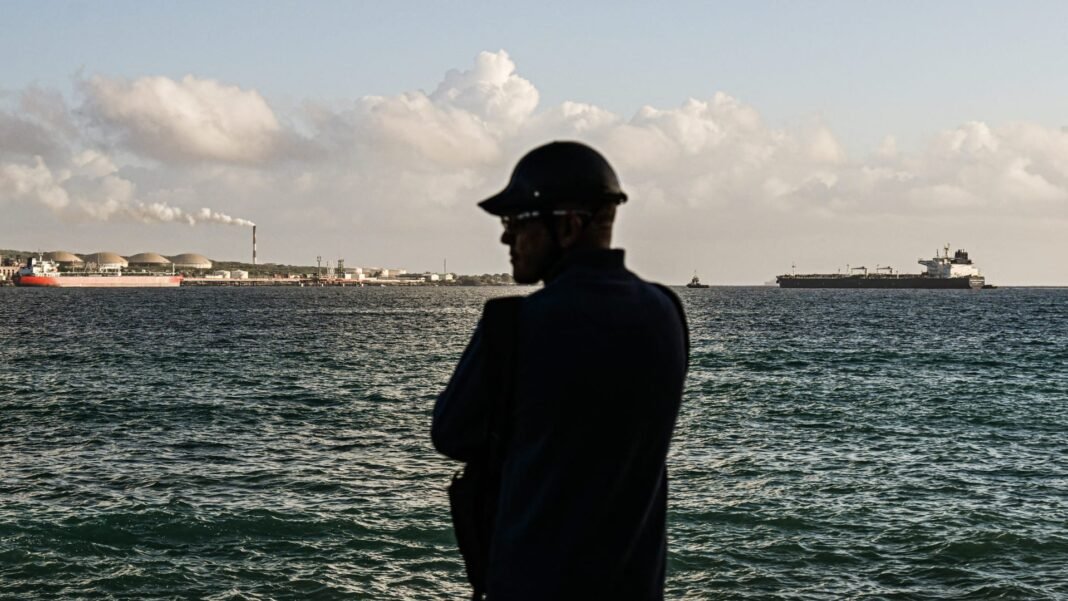
Energy shipments have recently emerged as a crucial tool in global diplomacy, with the United States enforcing two major maritime blockades on opposite ends of the globe.these maneuvers represent a calculated attempt to harness control over vital shipping lanes to advance geopolitical objectives.
The Strait of Hormuz: A Critical Nexus in U.S.-Iran Relations
The U.S. has established a naval blockade targeting Iranian vessels transiting the Strait of Hormuz, one of the planet’s most essential oil transit corridors. This strategy is designed to apply economic pressure on Iran amid ongoing regional conflicts, aiming to push Tehran toward reducing hostilities.
China, Iran’s top crude oil customer, has strongly condemned this blockade as “irresponsible and destabilizing,” highlighting its potential repercussions for both regional security and global energy markets.
Despite these tensions, Iran recently affirmed that commercial shipping through the Strait remains “completely operational” following a ceasefire agreement between Israel and Lebanon-signaling Tehran’s determination to sustain trade flows despite external constraints.
Cuba’s Energy Isolation: The Fuel Embargo Strategy
At the same time, Washington has imposed an unofficial fuel embargo on Cuba by threatening tariffs against countries supplying crude oil to Havana’s government. This approach aims at economically isolating Cuba by limiting its access to critical energy supplies.
in defiance of this embargo, Russia delivered nearly 120,000 tons of crude oil to Cuba earlier this year-a bold exhibition of Moscow’s commitment to supporting allies despite American sanctions. Russian officials have pledged continued shipments amid persistent fuel shortages in Cuba.
Disparities in Enforcement Practices
An expert on sanctions enforcement points out inconsistencies in how Washington applies these blockades. For instance, when Russia’s tanker Anatoly Kolodkin docked at Matanzas port last March-violating updated sanctions explicitly banning such deliveries-the U.S. refrained from taking action or imposing penalties.
“By publicly signaling indifference toward Russia’s delivery and avoiding interception or harassment of that vessel,” an analyst noted,
“Washington now faces political challenges if it attempts enforcement against future shipments.”
Sino-American Dynamics Amid Sanctions Expiry
The imminent expiration of a temporary license allowing limited sales of Russian and Iranian seaborne oil adds complexity ahead of high-stakes discussions between President Trump and Chinese leader Xi Jinping scheduled for mid-May 2026 in Beijing.
Treasury Secretary Scott Bessent confirmed that this general license will not be extended beyond its Sunday midnight deadline-perhaps compelling Chinese refineries once again to become primary buyers for any Iranian exports evading sanction enforcement thereafter.
This development raises questions about China’s possible reactions if vessels flagged or linked with Chinese interests attempt passage through contested waters like the Strait under U.S.-imposed blockade conditions.
“Strategically speaking,” an expert explained,
“iran may be tempted to challenge the blockade using tankers associated with China-a move that could place America in a precarious position just before critical diplomatic talks.”
A Fragile Ceasefire Amid Heightened Military Presence
China continues voicing strong opposition against what it perceives as provocative American military deployments near key maritime routes vital for international trade-including areas adjacent to Iran-and warns these actions risk undermining an already fragile ceasefire habitat across volatile West Asian regions.
Evolving Maritime Diplomacy: Key Players at a Glance
- The United States: Enforcing dual blockades aimed at restricting adversaries’ access while signaling resolve ahead of diplomatic summits;
- Iraq: Upholding open commercial navigation rights despite ongoing regional instability;
- Cuba & Russia: Demonstrating resilience against economic isolation through direct support mechanisms;
- China: Balancing vocal condemnation with strategic patience while preparing for pivotal negotiations with Washington;
- Iran: Maneuvering complex geopolitical pressures while asserting sovereignty over crucial waterways;
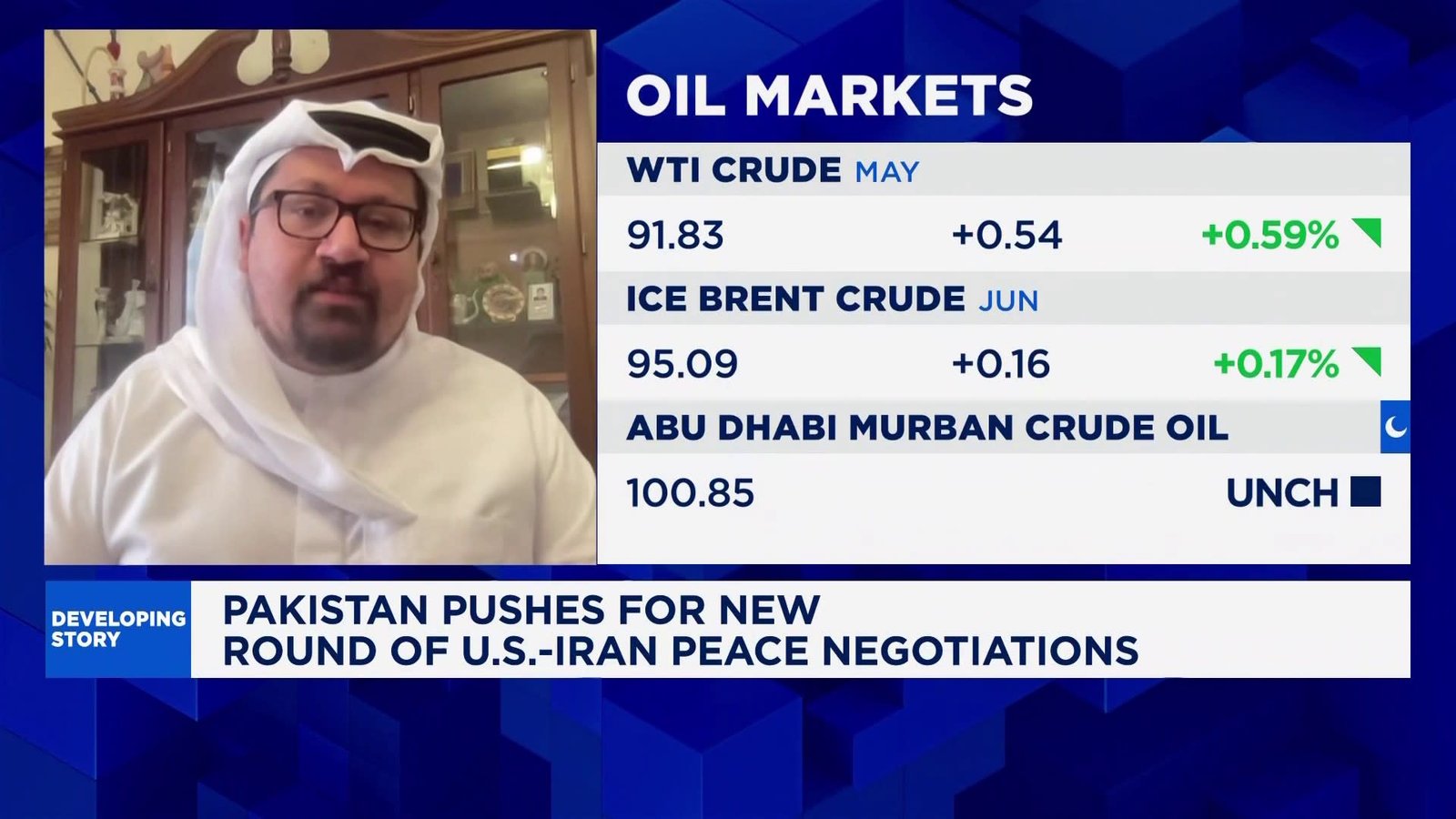
- The Global Market: Monitoring closely as disruptions threaten Brent crude prices surpassing $125 per barrel amid supply uncertainties (mid-2026 data).
Navigating Uncertain Waters Ahead
“The pressing question is whether escalating maritime confrontations will derail upcoming diplomatic efforts or compel all involved powers toward strategic recalibrations,” analysts observe.
– The stakes remain exceptionally high as each party weighs risks versus rewards during this delicate period.”

A Complex Interplay Between Power Projection and Diplomacy
This unfolding scenario highlights how dominance over energy supply chains increasingly dictates international relations today-not only shaping bilateral ties but also influencing broader global economic stability amidst shifting alliances and emerging challenges throughout 2026 and beyond.