Extended Closure of the strait of Hormuz Triggers Meaningful Disruptions in Energy Markets
Persistent Conflict Fuels Doubts Over Strait’s Reopening Timeline
Baker Hughes, a prominent oilfield services provider, projects that the Strait of Hormuz could remain inaccessible for several additional months due to escalating tensions between Iran and the United States. During their recent quarterly earnings briefing, CFO Ahmed Moghal conveyed that their financial forecasts are based on the assumption that hostilities will continue through mid-2026, with a full reopening unlikely before late next year.
“The unpredictability surrounding this geopolitical standoff is profound,” Moghal noted, underscoring widespread uncertainty permeating the energy sector.
Industry Leaders Anticipate Prolonged Supply Chain Interruptions
A survey by the Federal Reserve Bank of Dallas involving nearly 100 executives from oil and gas companies found that approximately 80% expect the strait to remain closed until at least August or later. Moreover, over 80% foresee repeated disruptions in this critical maritime corridor as regional instability persists.
Geopolitical Tensions Reshape Global Energy Market Landscape
Lorenzo Simonelli, CEO of baker Hughes, described geopolitical risk as a permanent factor redefining global oil and gas markets amid heightened conflict around Iran. The closure has already halted about 10% of global crude oil shipments and disrupted roughly 20% of worldwide liquefied natural gas (LNG) exports.
This ongoing disruption is driving sustained price premiums on both crude oil and LNG as markets grapple with persistent supply uncertainties.
The Crucial Role of the Strait in International Energy Trade
The Strait of Hormuz functions as an essential conduit for global energy transportation; before current hostilities escalated, it handled nearly one-fifth of all petroleum shipments worldwide. Recent aggressive maneuvers by Iranian forces targeting commercial tankers have effectively choked off exports passing through this narrow passageway-marking one of history’s most significant interruptions to energy supply chains.
Maritime Navigation Severely Hampered Amid Rising Hostilities
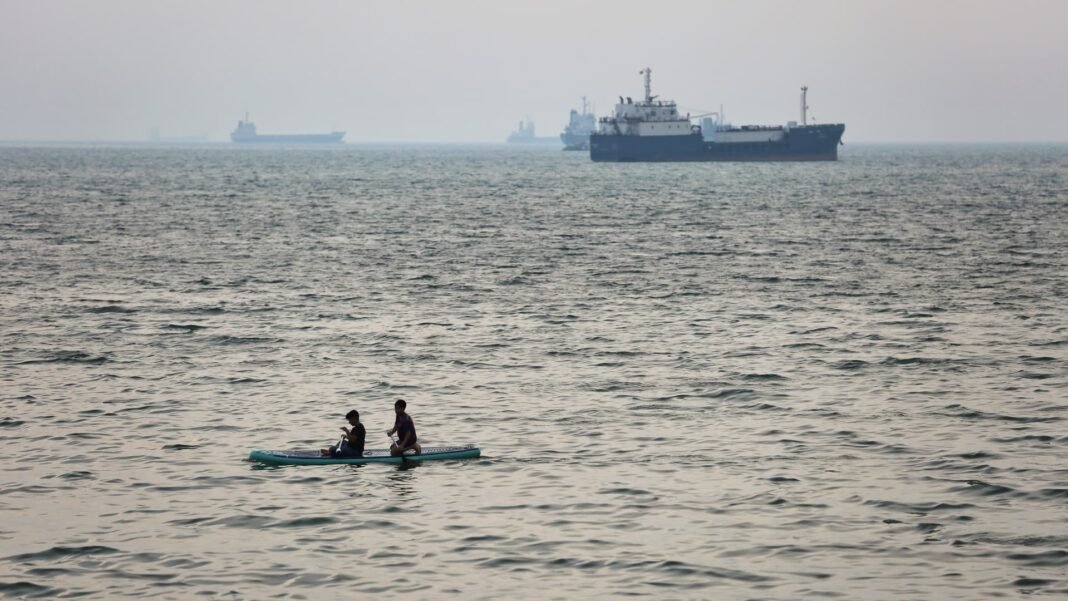
Tanker traffic through the strait remains drastically reduced as confrontations enter their second month. Both Iranian and U.S. naval units have detained commercial vessels while enforcing competing blockades under fragile ceasefire conditions-further complicating safe passage through these strategic waters.
Global Ripple Effects: Lessons from Southeast Asia’s Shipping Disruptions
A similar incident occurred last year when political unrest in Malaysia temporarily obstructed key shipping lanes near the Malacca Strait-a vital chokepoint responsible for about 25% of global trade volume by tonnage. This blockage caused immediate fuel price surges across Asia-Pacific markets and forced rerouting via longer alternative routes such as Indonesia’s Sunda Strait-resulting in additional costs exceeding $500 million within weeks.
- Main insight: disruptions at major maritime chokepoints can swiftly cascade throughout world economies due to heavy dependence on specific corridors for energy transport.
- baker Hughes’ outlook: Investors should brace for prolonged market volatility tied directly to unresolved geopolitical conflicts impacting critical infrastructure like the Strait of Hormuz.
- Market forecast: Elevated risk premiums are anticipated throughout 2026 amid ongoing supply-demand imbalances coupled with uncertain resolution timelines.