Intensifying Israel-Lebanon Conflict Amid Rising Cross-Border Clashes
Hezbollah’s Firm Rejection of Peace Talks
The Iran-backed militia Hezbollah continues to dismiss any peace negotiations with Israel, persisting in its cross-border assaults despite ongoing tensions. The group openly criticized the Lebanese government’s decision to engage directly with Israel, asserting that their armed resistance is a necessary defense of Lebanon’s sovereignty and dignity.
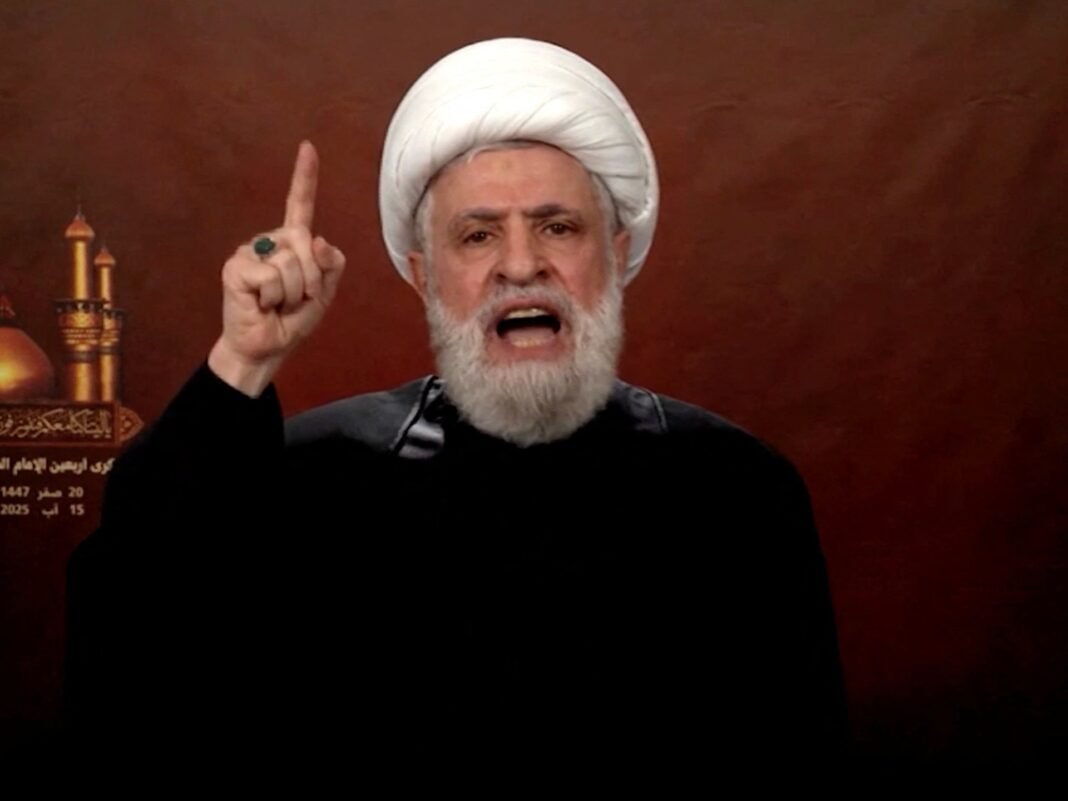
Naim Qassem,Hezbollah’s deputy leader,emphasized the stark choice facing Lebanon: “freedom and honor or occupation and humiliation.” He highlighted the sacrifices made by his organization as vital and irreversible, warning that any Israeli aggression will be met with unwavering resistance without compromise or retreat.
Escalation Triggered by High-Profile Assassination
the recent spike in violence erupted following a targeted strike on March 2 that resulted in the death of Iran’s Supreme Leader Ayatollah Ali Khamenei-a blow attributed to US-Israeli collaboration. In response, Hezbollah ramped up military actions against Israeli forces along the border. This surge led Lebanon’s government to outlaw Hezbollah’s armed operations for the frist time while simultaneously initiating direct talks with Israel-the first such diplomatic engagement since 1983-in an effort to de-escalate tensions.
Hezbollah’s Preconditions for Dialog
Despite these diplomatic overtures, Hezbollah insists on stringent conditions before entering meaningful negotiations. These demands include an immediate cessation of all Israeli hostilities across land, sea, and air; full withdrawal from occupied territories; release of Lebanese detainees held by Israel; return of displaced populations; and comprehensive reconstruction within Lebanon. Additionally, Qassem called on Beirut to revoke laws criminalizing resistance groups like Hezbollah as part of any peace framework.
Warnings from Israeli Leadership Amidst rising Hostilities
In reaction to Hezbollah’s defiance and refusal to engage peacefully, Israeli Defense minister Israel Katz issued grave warnings about potential repercussions for both the militant faction and Lebanon at large. Katz cautioned that continued backing for Hezbollah would provoke widespread devastation throughout Lebanese territory.
“If Lebanon persists in harboring this terrorist entity,” Katz warned UN envoy Jeanine Hennis-Plasschaert during regional security talks, “fire will consume every corner of Lebanon.”
divergent Perspectives Within Lebanese Political Circles
Lebanese President Joseph Aoun framed direct negotiations with Israel as a strategic move aimed at resolving internal conflicts involving armed groups like Hezbollah. He accused those perpetuating war within Lebanon of betraying national interests-an implicit critique targeting factions opposing disarmament efforts.
Katz responded sharply by accusing Aoun of endangering Lebanon’s future thru tolerance toward militias such as Hezbollah.He underscored disarmament as essential for achieving lasting stability across the region.
Sustained Military Engagement Despite Ceasefire attempts
Although ceasefires have been intermittently declared amid this unrest, exchanges between Israeli forces and Hezbollah persist unabated along southern borders. The Israeli military recently reported precision strikes targeting suspected militant infrastructure in eastern areas including Bekaa Valley alongside southern towns like Tibnin,Yater,and Bint Jbeil.
Conversely,Hizbollah claimed responsibility for attacks inside southern lebanese regions directed at stationed Israeli troops while also reporting aerial incursions over northern parts of Israel triggering sirens near Arab al-Aramshe town.
The humanitarian Toll: Mounting Casualties Amid Conflict
- Total deaths: Over 2,500 civilians lost their lives due to relentless bombardments;
- Total wounded: More than 7,800 individuals injured amid ongoing clashes;
- Civilians displaced:Tens of thousands uprooted from homes amid escalating violence affecting multiple districts;
- Civil infrastructure damage:A wide range of hospitals,social institutions,and roads severely damaged disrupting daily life;
A Deeply Rooted Conflict Defying Easy Solutions
This latest escalation highlights how entrenched hostilities between Iranian-supported militias such as hezbollah and state actors like Israel continue complicating prospects for peace across the Levant region-especially given shifting alliances shaped by global powers including Washington and Tehran competing for influence.
A Global Parallel: Lessons From Northern Ireland Troubles
This conflict echoes other prolonged territorial disputes where non-state actors challenge sovereign governments through asymmetric warfare tactics-as a notable example,the decades-long Northern Ireland Troubles illustrate how unresolved political grievances can fuel cycles of violence despite numerous attempts at reconciliation.
Such protracted conflicts reveal challenges balancing national security priorities against humanitarian needs when civilian populations bear disproportionate suffering amidst political deadlock.