Ali al-Zaidi Named Iraq’s Prime Minister-Designate, Ending Lengthy Political Deadlock
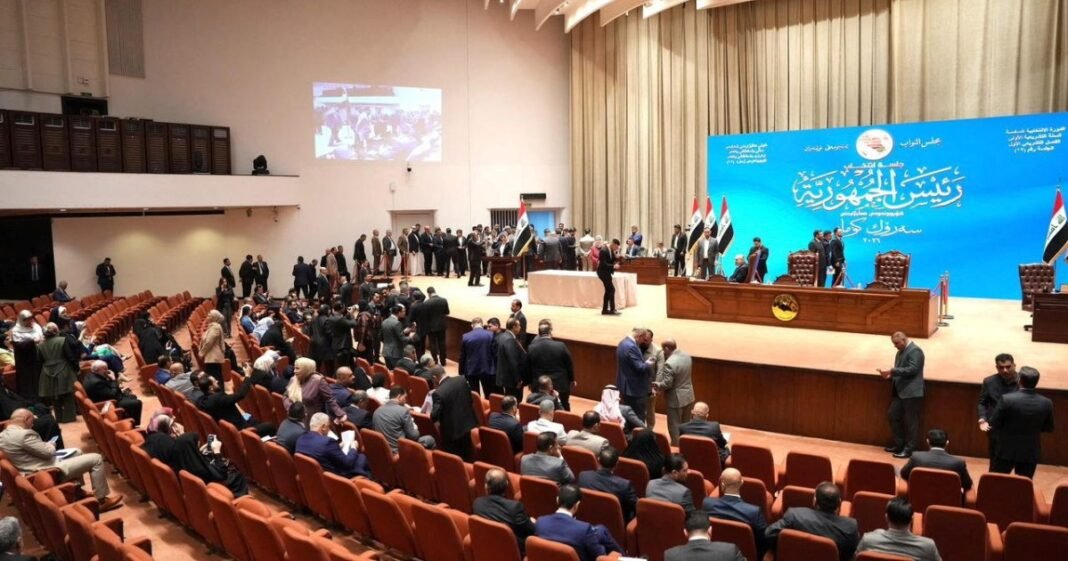
The Iraqi presidency has officially entrusted Ali al-Zaidi with the task of forming the next government, signaling a critically important breakthrough after an extended period of political gridlock. This appointment follows intense deliberations within the Coordination Framework, a leading coalition of Shia parties that commands a parliamentary majority.
Resolving the Stalemate: A New Leadership Chapter
Ali al-Zaidi’s rise marks a departure from previous candidates closely linked to Iranian influence. His nomination came after former Prime Minister Nouri al-Maliki-who maintained strong ties with Iran adn was initially favored by the coalition-withdrew his bid amid mounting external opposition. Notably, former US President Donald Trump had openly opposed Maliki’s return to power and warned of withholding support if he assumed office.
the Coordination Framework publicly acknowledged both Maliki and outgoing Prime minister Mohammed Shia al-Sudani for their “historic and responsible” decisions to step aside,facilitating progress toward government formation. Al-Sudani also congratulated al-Zaidi on his new role.
A leader with Financial Acumen Amid Economic Struggles
Unlike many predecessors who emerged from political ranks,Ali al-Zaidi brings no prior governmental experience but offers extensive expertise as chairman of Al-Janoob islamic Bank. his financial background is viewed as crucial given Iraq’s urgent economic challenges.
“This appointment arrives at a critical moment demanding unified efforts across all political and social sectors,” said al-Zaidi upon accepting his designation. He vowed to guide Iraq toward becoming “a balanced nation both regionally and globally.”
Navigating Complexities: The Path Toward Cabinet Formation
Iraq’s constitution grants the prime minister-designate 30 days to assemble a cabinet capable of securing parliamentary approval by winning at least 167 votes out of 329 members. The country’s power-sharing system designates key roles along ethnic lines: Kurds hold the presidency; Shia Arabs occupy the premiership; Sunnis lead parliament.
The incoming administration confronts numerous challenges including managing repercussions from ongoing regional tensions such as those triggered by US-Israeli actions against Iran. Recent disruptions like closures near strategic maritime routes-including parts adjacent to the Strait of Hormuz-have severely impacted oil exports vital for Iraq’s economy, wich depends on petroleum revenues constituting over 90% of state income according to 2024 figures.
- Combating entrenched corruption remains critical; Transparency International ranks Iraq among nations with high corruption perception indices this year.
- Ensuring security involves regulating armed factions such as Popular Mobilisation Forces (PMF),whose militias operate semi-independently despite formal military oversight.
- Pursuing economic diversification is urgent due to volatile global oil prices significantly affecting national budgets in recent months.
A Snapshot of Iraq’s Political Surroundings Today
This development highlights shifting dynamics within Iraqi politics where balancing internal factional interests alongside external pressures continues shaping governance outcomes.Comparable power-sharing frameworks have been implemented in countries like Lebanon following reforms post-2020 aimed at stabilizing sectarian divisions amid severe economic crises-a regional parallel illustrating complexities faced by multi-ethnic states navigating geopolitical influences today.