Unveiling Mali’s Rich Mineral Endowment Amid Persistent Conflict
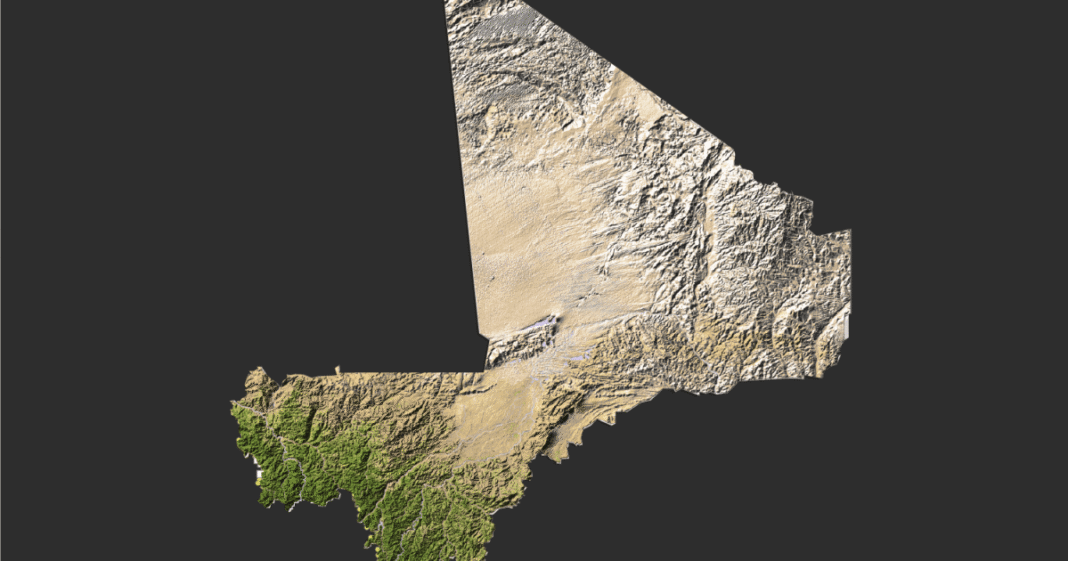
Mali holds the position of Africa’s third-largest gold reserve holder and is endowed with significant lithium and uranium deposits.
How Political turmoil Shapes Mali’s Security Environment
since 2012,mali has endured a series of coups,political upheavals,and growing security threats. The most recent escalation occurred on April 25 when a coalition of al-Qaeda-linked militants joined forces with Tuareg separatists to launch synchronized attacks across the country. These violent actions led to the assassination of Defense Minister Sadio Camara and resulted in armed groups besieging Bamako, the nation’s capital.
The Pillar of Mali’s Economy: Gold Mining Industry
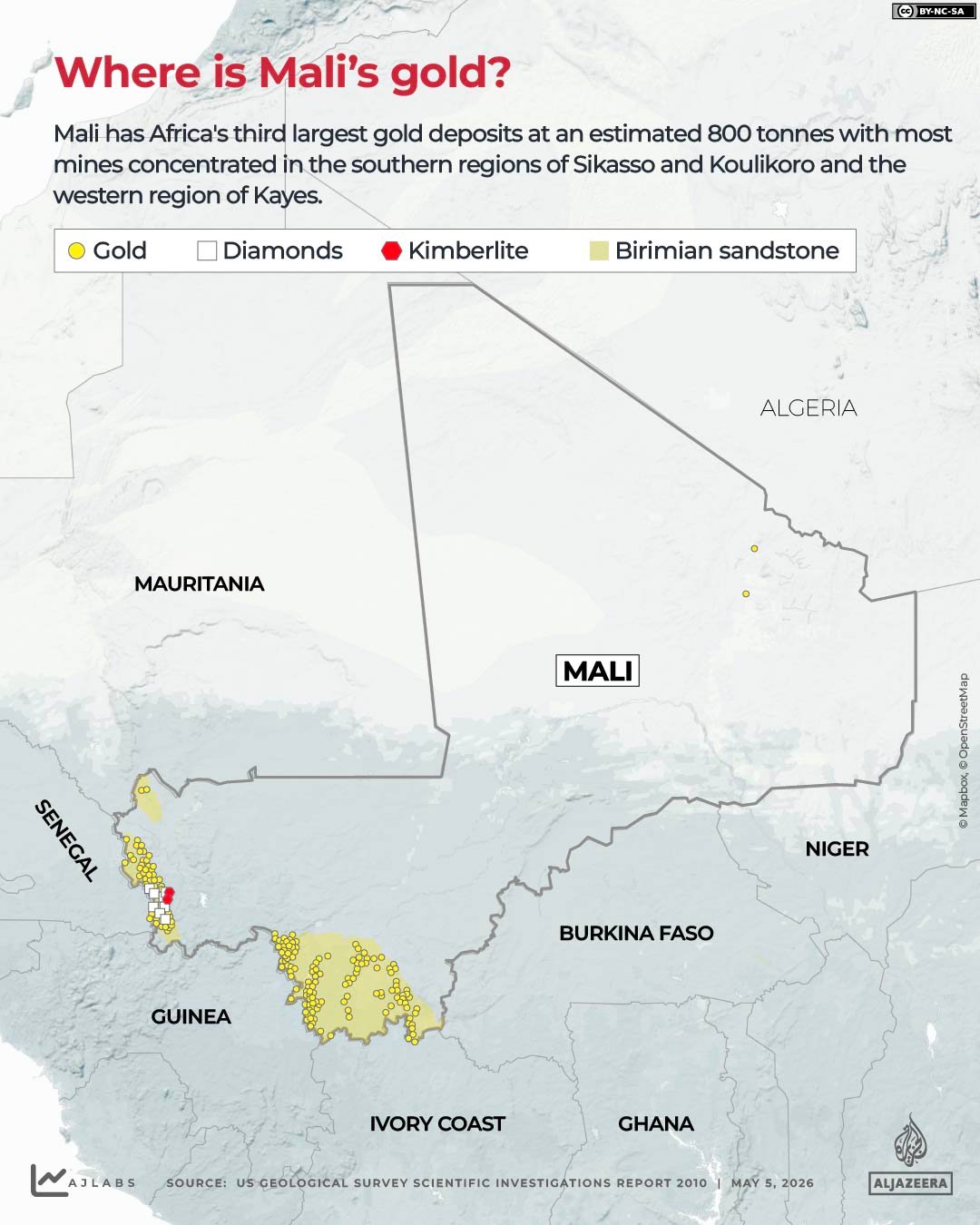
With a population nearing 24 million, Mali sits atop one of Africa’s richest gold belts. Current proven reserves are estimated at approximately 800 tonnes, ranking it just behind South Africa (5,000 tonnes) and Ghana (1,000 tonnes). Some geological surveys suggest that potential reserves could be as high as 2,000 tonnes.
The mining sector sustains over two million people nationwide. Most gold extraction takes place in southern regions such as Sikasso and Koulikoro as well as western Kayes-areas aligned with the Birimian volcanic belt known for its mineral wealth.
Discrepancies Between Official Gold Output and Actual Production
The World Gold Council reported that in 2024 Mali produced around 100 tonnes of gold including artisanal mining output-making it Africa’s second-largest producer after Ghana (140.6 tonnes) but slightly ahead of South Africa (98.9 tonnes). This figure substantially exceeds official government statistics which cite about 57 tonnes annually; much of this gap is attributed to unregulated artisanal mining activities and illicit smuggling networks.
The Dominance of Gold Exports in National Income
Gold accounts for nearly 80% of Mali’s export revenues, generating an estimated $4.3 billion during 2024 alone according to global economic analyses. Besides gold, other key exports include raw cotton fibers, refined petroleum products, oilseeds used for cooking oils or biofuels production, along with shipments of iron ore.
Foreign Stakeholders Driving Mining Operations
mali’s mineral industry has historically been influenced by multinational corporations from Canada and Australia; however recent years have seen increased Chinese investment driven by rising global demand for critical minerals like lithium.
The military-led transitional government that took control after the August 2020 coup introduced reforms through a new mining code enacted late in 2023 which permits state ownership stakes up to thirty-five percent while implementing stricter tax policies aimed at increasing national revenue from foreign-operated mines.
- Barrick Gold-a Canadian powerhouse-runs some major operations including Loulo-Gounkoto mine located westward since its establishment over fifteen years ago;
- Other significant sites include Fekola mine near Kayes region along with Syama underground mine;
- Sadiola Hill remains another vital asset within this portfolio;
Lithium Extraction Spotlight: The Goulamina Deposit
The Goulamina site ranks among Africa’s top lithium sources containing tens of millions tons worth ore reserves essential for electric vehicle battery manufacturing worldwide today. Majority ownership lies with china-based Ganfeng Lithium while Australian firm Leo Lithium holds substantial shares; Malian authorities retain minority stakes ensuring local participation despite geopolitical tensions surrounding resource control.
A Spectrum Beyond Gold: Other Valuable Minerals found in Mali
Mali is not only rich in precious metals but also harbors vast quantities across various other minerals:
- lithium resources exceeding five billion tons concentrated primarily around Goulamina;
- An estimated eleven thousand tons’ worth uranium deposits mainly near Kidal & Falea areas;
- Limestone reserves totaling roughly forty million tons supporting cement production industries;
- Tens-of-billions-ton scale shale formations offering promising future energy prospects;
- Bauxite measured at over one billion tons crucial for aluminum manufacturing;
- manganese stocks reaching ten million tons critically important for steelmaking processes;
- Iron ore deposits close to two billion tons underpinning heavy industrial development;
“Ongoing instability continues to restrict exploration efforts across northern territories limiting full realization of their mineral potential.”
- Diamond fields scattered throughout Niger River basin yield approximately two point four million carats annually;
......