Insights into the Recent Hantavirus Outbreak and Its Impact on U.S. Public Health Readiness
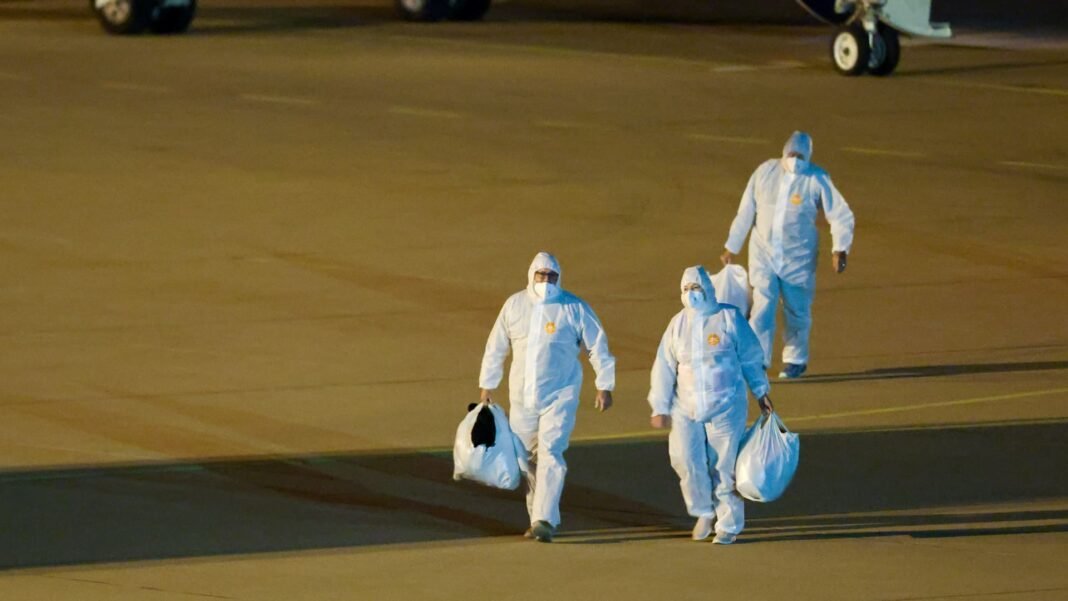
A hantavirus outbreak linked to a cruise ship voyage has raised alarms as travelers have dispersed internationally, including within the United States. This event has reignited critical conversations about global health security and America’s capacity to manage emerging infectious diseases effectively.
overview of Current Hantavirus Incidents
Health authorities have confirmed 11 cases associated with this outbreak, including nine confirmed infections and three deaths. To date, no hantavirus infections have been detected among U.S.citizens; however, 18 individuals in medical centers across Nebraska and Georgia are under vigilant monitoring due to possible exposure risks.
Beyond those connected directly to the cruise ship habitat, several people in various states are undergoing evaluation for potential contact with the virus outside of this cluster. Although no approved treatments or vaccines exist yet for hantavirus infections,biotech firms such as Moderna have recently initiated preliminary research aimed at developing vaccines targeting this pathogen.
The Nature of Hantavirus Transmission Compared to Other Viruses
The Andes strain involved in this outbreak differs significantly from highly contagious viruses like influenza or COVID-19 because it requires prolonged close contact for transmission rather than spreading through casual encounters or airborne particles lingering in shared spaces.
This particular strain can pass between humans but only under specific circumstances involving extended interaction with symptomatic individuals. The incubation period ranges from one week up to six weeks post-exposure, meaning new cases may still surface despite ongoing containment efforts.
Cruise Ships: Unique Environments Amplifying Infectious Disease Risks
Cruise ships present ideal conditions for infectious agents due to their confined living quarters combined with diverse groups spending extended time together-creating what some experts call “floating ecosystems” where pathogens can propagate more easily than usual settings.
Investigations suggest that the current outbreak originated when a Dutch couple contracted hantavirus during bird-watching excursions across South American countries such as Argentina, Chile, and Uruguay before boarding the MV hondius cruise vessel where they later developed severe illness linked to infection.
Implications for U.S. Public Health Infrastructure
while containment strategies appear effective given hantavirus’s limited human-to-human spread capability, public health professionals highlight systemic weaknesses exposed by recent events that could hinder responses against more transmissible threats.
- The Centers for Disease Control and Prevention (CDC), once lauded globally for epidemic management-from Ebola outbreaks in West Africa through COVID-19-has faced significant challenges following workforce reductions exceeding 10% during early 2025 alongside persistent leadership vacancies;
- This staffing shortage limits rapid epidemiological investigations essential during emerging outbreaks;
- Lack of seamless coordination mechanisms between federal agencies and international partners hampers efficient response efforts;
- An increasingly complex global disease landscape demands advanced surveillance systems capable of detecting novel pathogens early enough for timely intervention;
- A pressing need exists for investment into vaccine platforms adaptable beyond COVID-19 variants toward other zoonotic viruses like hantaviruses;
“If this incident serves as a stress test on our public health system’s resilience,” said an expert in global health law,
“then it reveals critical gaps that could prove disastrous if confronted by a highly contagious pathogen.”
Troubling Delays Underscore Systemic Challenges
The CDC’s initial response lagged behind international counterparts; while WHO mobilized experts promptly after reports surfaced on May 2nd-including dispatching teams onboard-the CDC did not release its first official statement until May 6th followed by healthcare provider alerts two days later.
This delay partly stems from political decisions such as withdrawing from WHO membership last year-a move severing direct communication channels vital for real-time intelligence sharing about emerging global threats.
Strategies Toward Enhanced Pandemic Preparedness
- Reinforcing Workforce Capacity: Restoring experienced epidemiologists alongside training new specialists ensures swift deployment capabilities when crises arise;
- Sustaining Global Collaborations: Renewed engagement with organizations like WHO enables timely data exchange crucial during fast-moving epidemics;
- Pursuing Broad-Spectrum Vaccines: Supporting innovation around vaccines targeting multiple zoonotic viruses reduces future vulnerability gaps;
- Evolving Surveillance Technologies: Integrating AI-driven analytics with traditional fieldwork accelerates detection speed without compromising accuracy;
- Cultivating Public Trust Through Transparency: Open communication mitigates misinformation risks while encouraging adherence to preventive measures during outbreaks;
Pandemic Lessons From History: SARS Versus Recent Responses
The SARS epidemic of 2003 demonstrated how rapid government action combined with clear reporting successfully contained what might or else have escalated into a devastating pandemic affecting millions worldwide-a stark contrast highlighting consequences when delays occur-as witnessed globally during initial phases of COVID-19 response efforts.
What You Need To Know About The Hantavirus Outbreak And US readiness For Viral Threats