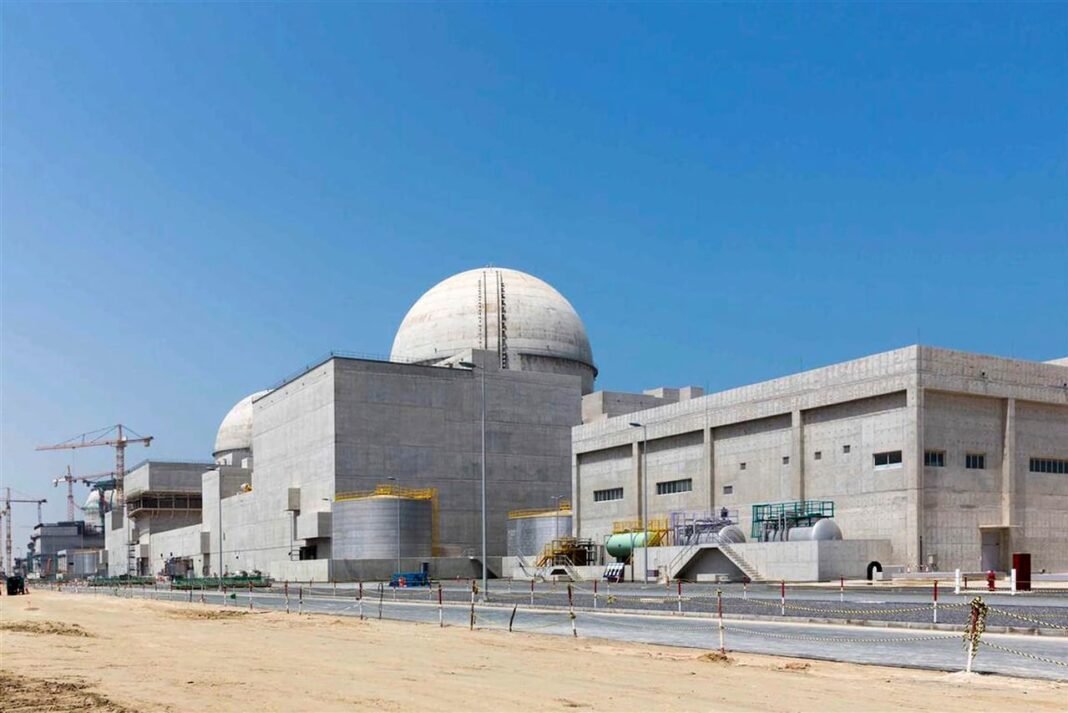
Drone Strike Ignites Blaze at UAE nuclear Facility amid Heightened Gulf Tensions
A recent drone assault triggered a fire at the Barakah Nuclear Power Plant in the United Arab Emirates, underscoring growing instability in the Gulf region as diplomatic efforts to resolve the ongoing U.S.-Israeli-Iran conflict remain stalled. This event further complicates security concerns around vital maritime routes crucial for global energy supplies.
Incident overview and Safety Confirmation
The attack targeted an electrical generator situated outside the main secured zone of the Barakah facility, according to official statements from Abu Dhabi authorities. Although a fire broke out, officials assured that nuclear safety protocols remained intact and no injuries were reported among plant personnel.
The International Atomic Energy Agency (IAEA) has declared it is actively monitoring the situation to guarantee adherence to international nuclear safety standards amid these developments.
Escalating Regional Hostilities and Strategic Consequences
This assault is part of a series of aggressive maneuvers attributed by Emirati officials to Iran, which they accuse of deliberately targeting critical energy infrastructure amid rising geopolitical tensions. Since early 2026, following intensified U.S. and Israeli military actions against Iranian sites, Tehran has increased attacks on Gulf nations hosting American forces-striking both civilian installations and energy assets.
In response to these threats, washington briefly deployed naval units tasked wiht securing safe passage through the Strait of Hormuz-a strategic chokepoint responsible for nearly 20% of global oil exports-before withdrawing within days due to escalating risks on site.
Diplomatic Deadlock Impedes Peace Progress
Despite over five weeks under a tenuous ceasefire between Washington and Tehran, negotiations have yet to resolve core disputes. The United States insists Iran must dismantle its nuclear program and relinquish control over key waterways like Hormuz. Conversely, Iran demands compensation for war damages, lifting economic sanctions blocking its ports imposed by Washington, along with cessation of hostilities across multiple fronts including Lebanon’s ongoing conflicts involving Israel and Hezbollah.
“If provocations continue,” cautioned Abolfazl Shekarchi from Iran’s military command, “the U.S. will face unforeseen retaliatory measures that could deepen its involvement.”
An Iranian foreign ministry representative accused both America and Israel of provoking instability in global energy markets through unprovoked military aggression aimed at undermining Iran’s sovereignty.
The Strait of Hormuz: A Crucial Nexus for Global Energy Stability

Tensions surrounding this narrow maritime corridor have sparked one of history’s most notable disruptions in oil supply chains-driving Brent crude prices above $120 per barrel amid fears that prolonged unrest could severely impact worldwide markets.
- The United states continues enforcing sanctions limiting Iranian port access while rallying international support for freedom-of-navigation operations within these contested waters.
- Iranian lawmaker Ebrahim Azizi announced plans for establishing regulated shipping lanes through Hormuz designed to safely manage vessel traffic despite ongoing hostilities; further details are anticipated soon.
- Civilian casualties mount steadily: thousands have lost their lives due both directly to airstrikes inside Iranian territory as well as cross-border clashes involving Hezbollah militants along Lebanon’s southern border with Israel.
- A recent extension agreement between Israel and Lebanon aims at preserving ceasefire conditions but has yet failed to halt intermittent violence where proxy confrontations persist unabated along disputed frontiers.