Strengthening russia-china Energy Partnership Amid Global Supply Disruptions
Reviving the Power of Siberia 2 Pipeline Initiative
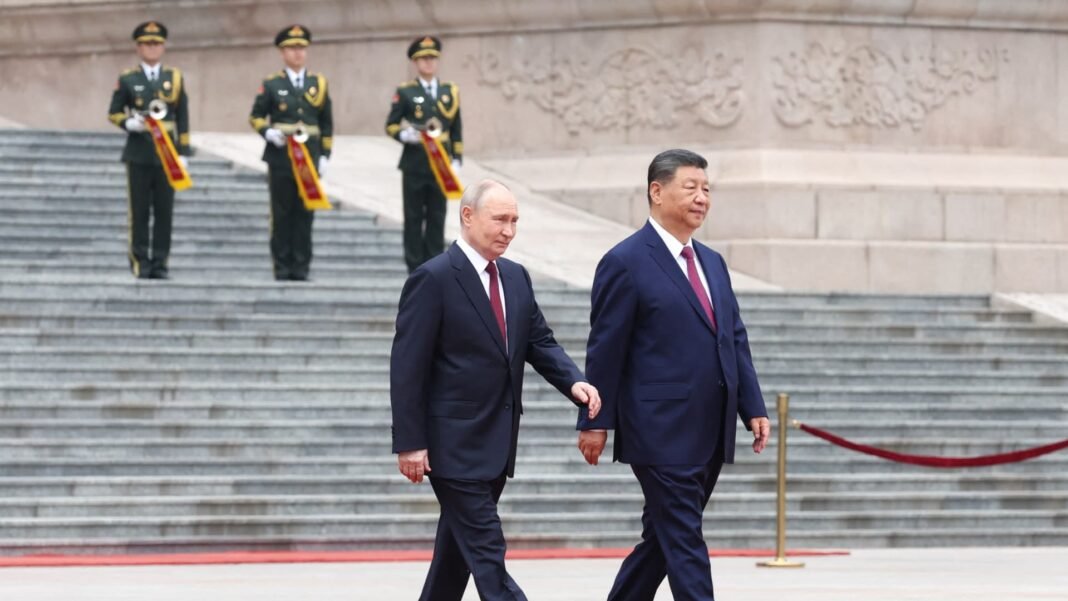
During a recent summit in Beijing,Russian President Vladimir Putin and Chinese President Xi Jinping renewed discussions on the long-postponed Power of Siberia 2 natural gas pipeline. This project has gained fresh momentum as geopolitical tensions, including conflicts affecting Iran, continue to unsettle global energy supply chains.
The pipeline is planned to span roughly 2,600 kilometers from Russia’s Yamal gas fields through Mongolia into China, with an expected annual throughput of about 50 billion cubic meters.Although Moscow and Beijing signed a binding memorandum in September 2025 to push forward construction efforts,key elements such as pricing models,financing frameworks,and delivery timelines are still under negotiation.
Pricing Debates and Strategic Calculations
China is advocating for gas prices aligned with Russia’s domestic rates-estimated between $120 and $130 per thousand cubic meters-while Russia favors terms closer to those agreed upon for the original Power of Siberia pipeline. Analysts warn that this could nearly double China’s current costs compared to existing contracts.
This pricing dispute reflects wider strategic concerns: despite China boosting its energy imports from Russia significantly-with oil imports rising over 40% year-over-year in early 2026 according to customs data-the country remains wary of becoming overly dependent on any single supplier amid volatile global conditions.
Enhancing energy Security Through Infrastructure expansion
The new pipeline will complement the existing Power of Siberia system that currently supplies around 38 billion cubic meters annually to China. Both nations have committed to expanding this capacity further as part of their deepening energy cooperation.
This infrastructure growth supports China’s broader goal of diversifying supply routes beyond vulnerable maritime chokepoints like the Strait of Hormuz-a critical corridor responsible for nearly one-third of China’s liquefied natural gas (LNG) imports before recent regional disruptions caused by conflict.
avoiding Maritime Risks via Overland Pipelines
The instability surrounding key sea lanes has intensified Beijing’s interest in secure overland pipelines that bypass these hazards entirely. However, experts note that despite these incentives, China maintains a firm negotiating position due partly to substantial crude reserves estimated at approximately 1.25 billion barrels-sufficient for about three months’ refining needs-and domestic natural gas production growth near 3% during early 2026.
Sino-Russian Energy Ties Amid Shifting Global Markets
The strengthening partnership emerges against a backdrop where Russian exports to Europe have plummeted following Moscow’s military actions in Ukraine as early 2022. Gazprom’s shipments reportedly dropped by nearly half last year compared with pre-conflict volumes-the lowest levels seen in decades-prompting Russia’s strategic pivot toward Asian markets like China.
This realignment carries important geopolitical implications; while it secures an vital customer for Russia amid Western sanctions, it also increases China’s reliance on Russian-controlled resources-trading one vulnerability (maritime chokepoints) for another (supplier concentration).
“This developing agreement highlights not only mutual confidence but also recognition that interdependence may offer greater security than alternatives,” observes Michael feller, chief strategist at Geopolitical Strategy. “For international observers, it complicates attempts aimed at decoupling Sino-Russian collaboration.”
toward Renewable Energy Cooperation Beyond Fossil Fuels
Apart from hydrocarbons, President Putin emphasized promising prospects within joint renewable energy projects during his press conference alongside Xi Jinping. Both countries are exploring ways to combine their complementary strengths into enduring power initiatives-a reflection of shifting priorities amid growing global climate concerns.
A Complex Partnership Shaping Multipolarity
The leaders described their dialog as “kind” and “constructive,” underscoring an unprecedented level of bilateral relations focused on fostering multipolarity and redefining international norms away from customary Western dominance models.
Kremlin spokesperson Dmitry Peskov confirmed progress had been made regarding critical aspects of the Power of Siberia 2 project but acknowledged technical details remain unresolved before final schedules can be established.

- Total planned length: Approximately 2600 km stretching from Yamal fields through Mongolia into China
- Annual capacity target: Around 50 billion cubic meters per year
- Status: Memorandum signed; ongoing negotiations over pricing & financing
- Main challenge: Balancing competitive pricing with strategic supply security considerations
- Sino-Russian cooperation extends beyond fossil fuels into renewable energy development
Navigating Future Challenges Within Evolving Global energy Landscapes
The unfolding developments illustrate how geopolitics increasingly shape new patterns in worldwide energy trade flows-with Asia playing a central role due both to surging demand growth and shifting alliances after the ukraine conflict.
While infrastructure projects like Power of Siberia and its successor aim at securing reliable supplies free from maritime disruption risks, broad economic dependencies will require careful management given ongoing market uncertainties.
Ultimately, Sino-Russian collaboration embodies both possibility & and complexity within today’s intricate international environment.