Google’s Advanced AI-Driven smart Glasses: A Glimpse Into teh Future of Wearables
Revolutionizing Wearable Tech with Visual and Audio Synergy
Google recently showcased an early prototype of its next-generation smart glasses, which seamlessly blend audio capabilities with an innovative in-lens display. Unlike the upcoming audio-only model launching this fall, these glasses project essential information directly onto the wearer’s field of vision, creating a mixed-reality experience that enhances everyday interactions.
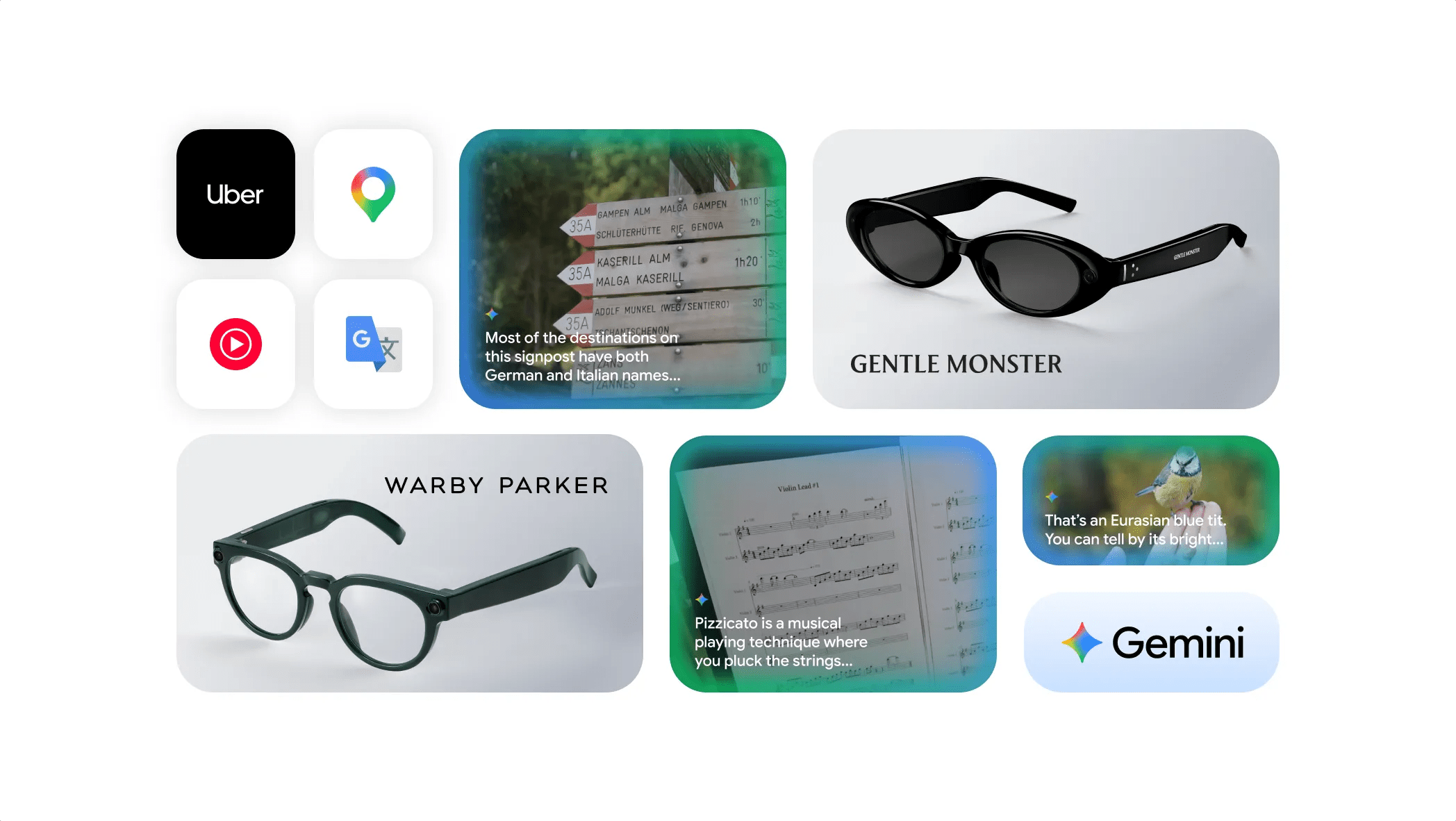
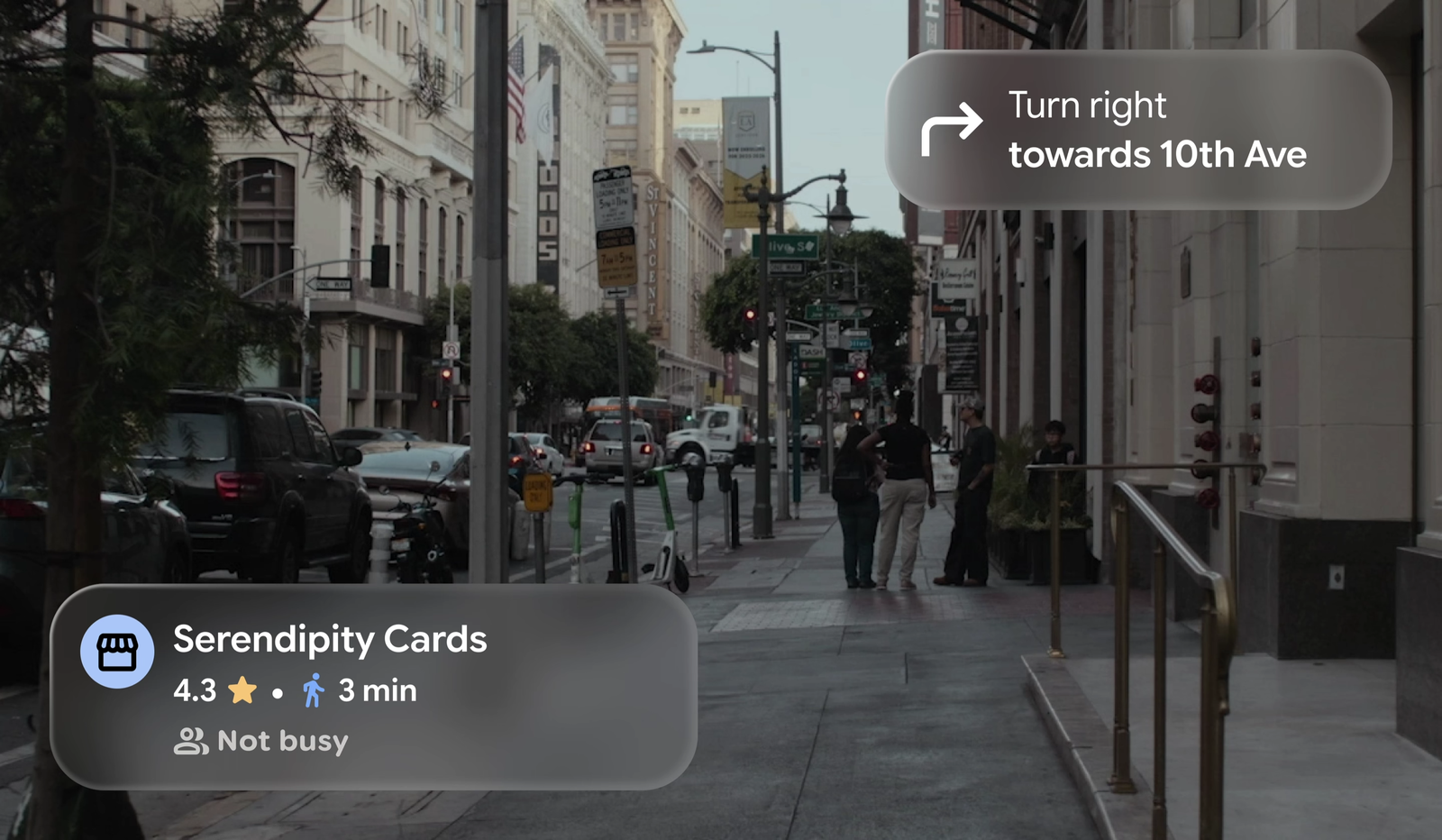
These Android XR smart glasses, initially revealed last year, feature interactive widgets that deliver real-time weather updates, navigation cues, ride-hailing statuses, live language translations, and even user-customized AI tools. This integration aims to merge digital data effortlessly with the physical world around users.
Design Collaboration: Fusing Cutting-Edge Tech with Fashion
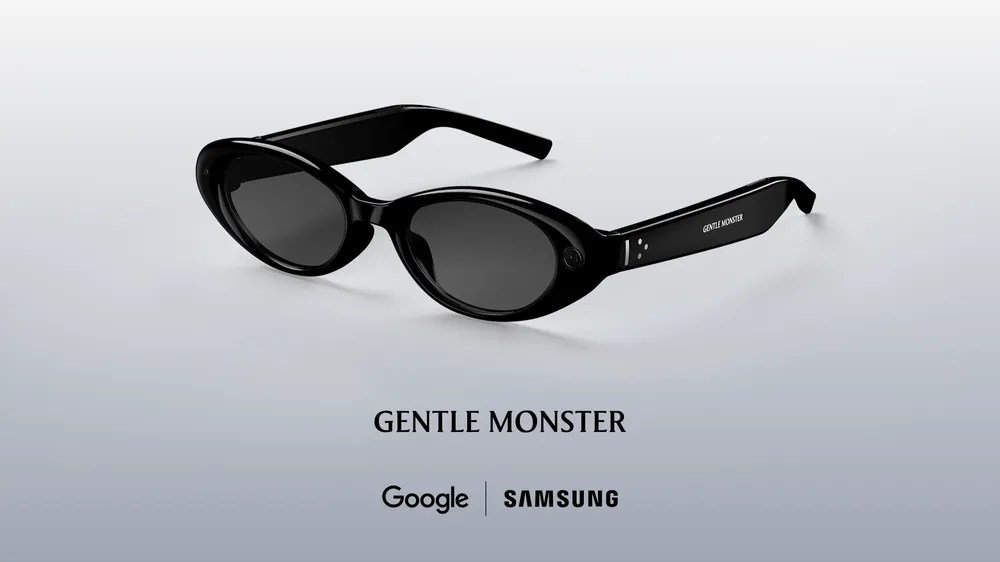
The development process has involved partnerships with renowned brands such as Warby Parker and Samsung to ensure that Google’s technology is housed within stylish frames designed for comfort and wearability. While current prototypes prioritize refining internal hardware like display clarity and battery longevity over final aesthetics, these collaborations promise a future product that balances form and function.
Prototype Experience: Exploring Core Functionalities
The test units presented were functional but not indicative of the final design or polish consumers can expect. Features like automatic wear detection remain absent at this stage; however,this allows engineers to focus on optimizing performance without constraints imposed by finalized styling choices.
User Engagement: Activating Gemini AI Assistant Effortlessly
To summon the integrated Gemini assistant on these glasses,users press a button located on the right temple for two seconds until an audible tone signals activation. In this presentation model, enabling Gemini also powers up an embedded camera; future versions will provide customizable options so users can control camera activation according to their preferences.
Audio Quality in Everyday Environments
A hands-on test involved requesting music playback via Gemini while outdoors amid ambient noise. Although maximum volume settings made it difficult to catch subtle sound nuances clearly, overall audio quality was sufficient for casual listening during activities such as walking or household chores. The open-ear design offers a distinct advantage over earbuds by preserving environmental awareness.
A simple tap near the temple area pauses or resumes music playback smoothly without needing additional controls.
Hands-Free Photography Enhanced by Artificial Intelligence
The device supports capturing photos either through pressing dedicated buttons or issuing voice commands like “Take a photo.” Images are instantly transferred wirelessly to connected smartphones or smartwatches for convenient access. While video recording was disabled during testing due to prototype limitations, upcoming models will enable video capture initiated via long button presses.
An notable feature lets users apply creative AI-driven transformations-such as: “Take a photo and turn this person into a comic book character.” After processing through cloud-based systems linked with Gemini’s backend-including specialized image manipulation partners-edited images return within roughly 45 seconds under typical network loads encountered at crowded events.
Simplified Navigation Using Augmented Reality Overlays
The smart glasses work closely with Google Maps running on your smartphone. By instructing Gemini phrases such as “Navigate me to the nearest bookstore,” step-by-step directions appear subtly within your line of sight whether you’re indoors or outdoors:
- Main Display: Upcoming turns are shown when looking straight ahead without blocking your view;
- Map Orientation: Glancing downward reveals your location marked as a blue dot;
- Smooth Rotation: Turning left or right adjusts map orientation accordingly;
- User Convenience:: Frequently visited places like home or work sync automatically from your phone account for quick access;
A New Frontier in Real-Time Language Translation
A remarkable demo featured rapid French speech being instantly recognized by the system; translated text appeared visibly on-screen while simultaneous English audio played privately through bone conduction speakers embedded inside the frames-ideal for travelers seeking effortless communication abroad without constantly reaching for their phones.
“This translation capability alone could redefine how we experience international travel.”
Cognitive Assistance Beyond Basics: Object Recognition & Contextual Queries
The prototype demonstrated advanced object identification powered by integrated cameras combined with cloud-based AI analysis tools similar in concept to Google Lens but accessible hands-free via eyewear technology.
Examples included:
- An art replica eventually identified as an impressionist painting after manual camera activation despite challenging lighting conditions;
- A nearby plant species recognized immediately upon scanning;
- Culinary inquiries about recipes found inside cookbooks answered promptly using contextual understanding derived from visual input paired with online knowledge bases;
Towards Wider Release & Ongoing Innovation
This year is expected to bring further announcements regarding android XR-enabled smart glasses alongside expanded trusted tester programs aimed at enhancing user experience before commercial launch.
The existing audio-only models continue serving many consumers well , offering private media consumption plus voice calls powered by Google’s evolving Gemini platform.
Users can perform tasks such as adding grocery items directly into shopping lists simply through conversational commands processed locally yet enhanced remotely via cloud intelligence networks.

The Future Landscape of Intelligent Eyewear Technology
< p >As wearable technology advances rapidly-with global shipments projected to exceed 220 million units annually by 2025 according industry estimates-devices combining augmented reality visuals alongside sophisticated artificial intelligence assistants are poised become mainstream tools enhancing productivity , communication , entertainment , health monitoring ,and more . < / p >< p >Despite ongoing challenges related to miniaturization , battery optimization , privacy protections ,and wearer comfort – early prototypes like Google’s Android XR smart glasses highlight significant progress toward delivering truly hands-free computing experiences seamlessly integrated into daily routines . < / p >
< p >Ultimately , these innovations have potential not only transform how individuals navigate environments but also revolutionize information consumption and social connectivity – opening doors once reserved solely for science fiction narratives . < / p >