Transformations in the Beverage Market: The Growing Popularity of Non-Carbonated Drinks
Shifting Tastes: From Bubbly to Still Beverages
In recent years, sparkling flavored waters such as LaCroix captured widespread consumer interest adn dominated retail shelves. Yet, this effervescent trend is now giving way to a rising preference for non-carbonated drinks. Innovative brands like Liquid Death and Surfside Iced Teas are gaining traction by providing refreshing alternatives without carbonation.
According to industry experts, growth is increasingly concentrated in still beverages across both alcoholic and non-alcoholic sectors. While fizzy drinks maintain a presence, their expansion has notably slowed as Generation Z favors smoother, bubble-free options.
The Decline of Hard Seltzers Versus the Boom in Ready-to-Drink Cocktails
the alcoholic beverage landscape vividly illustrates this shift. Malt-based hard seltzers-including well-known labels like White Claw-saw a slight volume decrease of 1.1% over the year ending April 2026. Conversely, ready-to-drink (RTD) premixed cocktails surged dramatically with a 46.4% rise during the same timeframe.
This surge is fueled by brands such as Surfside, Sun Cruiser, BuzzBallz, and Anheuser-Busch InBev’s Cutwater Spirits-which offers both carbonated and still varieties-highlighting consumers’ growing appetite for diverse drinking experiences beyond traditional bubbles.
Gen Z’s Role in Redefining Beverage choices
A key catalyst behind these changes is Generation Z (born between 1997 and 2012). Unlike previous generations who favored sodas or embraced seltzers enthusiastically during their peaks, Gen Z demonstrates less brand loyalty and more openness toward novel drink formats.
Younger consumers often switch preferences rapidly among emerging products like Surfside or Sun Cruiser rather than sticking with established names such as White Claw or Truly. This “variety-seeking” behavior aligns with Gen Z’s focus on wellness-oriented options combined with flavor innovation.
Many within this demographic prefer tea-based alcoholic beverages at social gatherings because they perceive them as healthier alternatives compared to fizzy drinks-a trend consistent with broader consumer emphasis on functionality and well-being.
The Health Considerations Surrounding Carbonation
- Sparkling water’s mild acidity can contribute to tooth enamel erosion when consumed excessively-especially if flavored with citric acid compounds common in many seltzers.
- Bubbles may cause digestive discomfort such as bloating or excessive burping for some individuals sensitive to carbonation.
- The association between carbonation and sugary sodas leads health-conscious buyers to avoid fizzy drinks altogether despite zero-calorie claims on many sparkling waters.
Iced Tea Innovations Driving alcoholic RTD Expansion
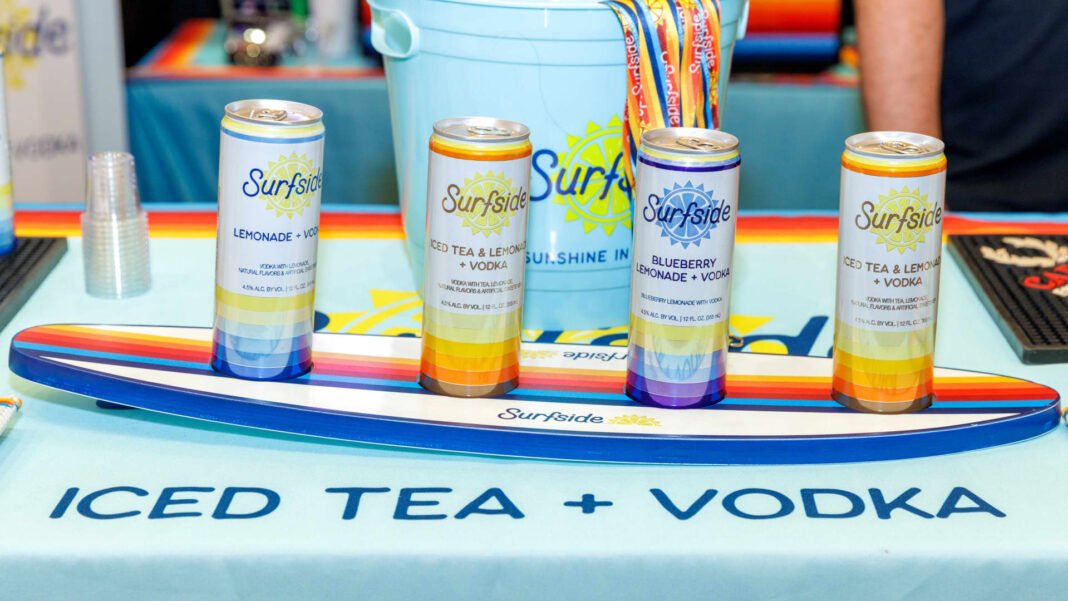
A standout example of the alcohol sector’s move away from carbonation lies in Surfside hard iced teas.Introduced by indie vodka distiller Stateside Brands in 2022, these RTDs combine vodka with iced tea and lemonade mixers-all served without bubbles-offering a fresh choice amid an or else heavily carbonated market at launch time.
Clement Pappas, co-founder of Stateside Brands explains that consumers responded positively: “Who really wants carbonated iced tea? It felt unnatural.” By 2024 Surfside became one of America’s fastest-growing alcohol brands based on Nielsen IQ data-a clear sign of unmet demand for fizz-free ready-to-drink options previously scarce on shelves.
Diverse Consumer Appeal Within Non-Carbonated Categories
- surfside primarily attracts female consumers; many cite avoiding bloating after multiple drinks as a major reason for choosing still beverages over traditional seltzers.
- Stateside expanded its portfolio further into still vodka-based sports drink-inspired mixers under Super Lyte-continuing innovation aimed at wellness-focused customers seeking functional hydration paired with complex flavors.
Other Key Players Accelerating Growth Without Fizz
- Canned cocktail volumes from Cutwater nearly doubled recently while wine punch brand BeatBox experienced rapid demand increases following expanded distribution efforts;
- sazerac-owned buzzballz saw renewed growth after acquisition;
- Twisted Tea owner Boston Beer launched Sun Cruiser targeting direct competition within this expanding segment-with Sun Cruiser currently outgrowing Surfside despite trailing slightly behind overall market share;
Celsius Energizes Wellness Market With Still Energy Drinks

Celsius distinguishes itself among energy drink brands embracing non-carbonation trends inspired by Gen Z’s wellness priorities. Traditionally dominated by fizzy products-including PepsiCo-backed Poppi-the category now sees Celsius expanding its still line featuring flavors like peach mango green tea which ranks fourth nationally among all Celsius variants sold through mid-2026.
Kyle Watson from Celsius highlights smoothness benefits making these products ideal companions during meals; approximately 37% consume them alongside food rather than alone.
Packaging prominently emphasizes “fizz-free” qualities catering specifically to those avoiding carbonation due to taste preferences or digestive comfort concerns.
This strategic approach has helped Celsius boost sales notably among women-a demographic historically underrepresented within energy drink consumption but rapidly growing today thanks partly to functional beverage innovations emphasizing protein content, prebiotics, caffeine delivery without harsh bite associated with bubbles.
Niche Brands Betting Big On Bubble-Free Success Stories
“Our product thrives because it lacks carbonation,” says Hint CEO Michael Pengue about his flavored water line popular especially around Silicon Valley tech hubs where hydration meets lifestyle demands.
Despite challenges after years on market since founding in 2005 Pengue anticipates renewed growth driven by shifting tastes away from sparkling waters toward pure hydration experiences offering sensory softness unmatched by bubbly competitors.”
Pengue draws parallels between current shifts reversing earlier decades when health-conscious soda drinkers migrated en masse toward Perrier San Pellegrino Polar LaCroix sparkling waters seeking alternatives free from artificial sweeteners:
“We’re witnessing an inverse phenomenon now where people want less bubble not more.”
< h2 >Aluminum Cans usher In New Era For Still Beverages
< p >Once synonymous only with beer soda or seltzer packaging aluminum cans have become standard even for newly launched non-carbonated drinks mimicking familiar formats once reserved exclusively for bubbly refreshments.< / p >
< p >Ronald Lewis CEO Ball Corporation-the world leader manufacturing aluminum packaging-noted recently that “the can continues winning” reflecting widespread adoption driven economically (lower cost vs glass), environmentally (better sustainability profile vs plastic bottles), plus enhanced consumer perception associating cans with cold refreshing appeal reminiscent of prior trendy waves centered around canned sparkling beverages.< / p >
< img src="https://example.com/liquid-death-cans.jpg" alt="Liquid Death canned water displayed at retail"/ >
< p >Liquid Death pioneered acceptance of canned still water starting back in 2017 when founder mike Cessario overcame bottling challenges requiring nitrogen injection technology preventing can collapse absent internal pressure generated naturally via carbonation.< / p >
< p >By branding Liquid Death visually closer to craft beer than typical bottled water cessario successfully repositioned perception turning what seemed unlikely into mainstream coolness driving rapid adoption including later expansions into sparkling lines while refocusing recently towards original unsparkling iced teas launched mid-2020s.< / p >
< h3 >Why Aluminum? Advantages Beyond Cost Efficiency
< ul >< li >Aluminum cans chill faster enhancing immediate refreshment sensation preferred especially during warm weather seasons;< / li >< li >They offer superior recyclability supporting corporate sustainability goals increasingly demanded across global supply chains;< / li >< li >Their compact shape facilitates convenient portability aligning perfectly with active lifestyles fueling demand among younger demographics prioritizing convenience plus environmental obligation simultaneously.;< / li >