GCC Cohesion in teh Face of US-Israel-Iran Tensions
The escalating conflict involving the United States and Israel against Iran has considerably disrupted the Gulf Cooperation Council (GCC) countries, revealing critical weaknesses in their economic and logistical systems.
Among GCC members, Oman has managed to maintain relative stability, wiht its ports and terminals operating without interruption.Meanwhile, Saudi Arabia and the United Arab Emirates have proactively rerouted portions of their oil exports through alternative hubs like Yanbu and Fujairah to reduce dependence on the strategically vulnerable Strait of Hormuz. In contrast, Kuwait, Bahrain, and Qatar are experiencing near isolation from international markets due to limited export pathways, risking economic slowdowns.
Enhancing Regional Unity: A strategic necessity
This crisis highlights an urgent requirement for deeper collaboration among GCC nations. Beyond goodwill gestures, it is indeed a strategic imperative to develop frameworks that minimize risks from future disruptions. The GCC’s collective influence over global energy markets depends on coordinated efforts rather than fragmented national policies.
However, individual agendas still prevail; for example, the UAE’s withdrawal from OPEC was driven by ambitions to increase market share amid instability around Hormuz-demonstrating how self-interest can undermine regional solidarity.
The Risks of Disjointed Strategies
If member states continue pursuing isolated approaches without shared responsibilities or unified policies, they risk entering zero-sum competition that weakens their global negotiating power. Such division threatens not only economic resilience but also diminishes the GCC’s ability as a united bloc to shape worldwide energy supply dynamics effectively.
Leveraging Swap Agreements for Greater Resilience
An effective method to bolster resilience involves implementing various swap mechanisms: physical swaps where commodities are directly exchanged; contractual swaps substituting deliveries; and quality swaps exchanging different product grades tailored for specific refinery or transport needs.
This strategy enables buyers dependent on shipments through vulnerable chokepoints like Hormuz to recieve equivalent supplies at alternate locations such as Duqm in Oman or Ras Markaz in Saudi Arabia-and even at international hubs including Rotterdam or Singapore-while financial settlements occur later via cash payments or product exchanges.
Successful Examples Illustrating Swap Viability
- During Turkey’s 2018 natural gas supply challenges following pipeline disruptions, Azerbaijan supplied LNG directly while reallocating domestic resources internally-a clear instance of contractual swap application within regional energy networks.
- The Kuwait Petroleum Corporation facilitated fuel oil grade exchanges between Jordan and lebanon in 2020 by swapping products suited for local consumption patterns across borders efficiently.
- Oman LNG routinely conducts multi-month swap tenders involving Atlantic-origin cargoes delivered into European ports balanced against Asian deliveries-demonstrating Gulf companies’ expertise managing complex logistics spanning continents.
A Unified Clearinghouse Model: The Path Forward
A promising next step would be creating an integrated energy swap clearinghouse encompassing national oil companies across GCC states alongside major refiners,trusted traders plus insurers and financial institutions. This platform would match blocked export commitments with feasible delivery alternatives while ensuring clear valuation reconciliation over time-a system similar to financial market clearinghouses today.
Navigating Political Commitment & Infrastructure Challenges
The success of such initiatives hinges heavily on political will among member countries combined with trust-building measures essential for sharing sensitive commercial data securely. currently however physical infrastructure constraints limit full rerouting capacity around critical maritime passages like Hormuz-highlighting long-term investment needs focused on expanding storage facilities and port capabilities outside high-risk zones.
Pioneering Leadership Roles Within GCC Members
saudi Arabia’s Strategic Advantage:
- An extensive Red Sea export network including recent expansions at Ras Tanura terminal;
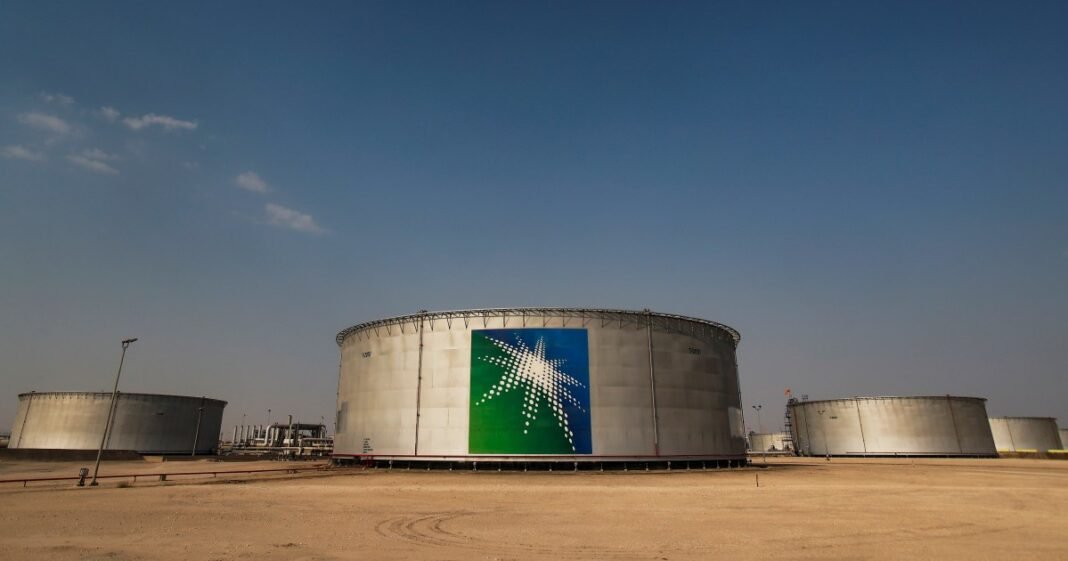
- A broad global customer base familiar with Aramco crude qualities;
- The largest capacity available enabling significant bypassing of Hormuz shipments;
This positions Riyadh uniquely as both a key regulator within OPEC+ frameworks and a potential leader fostering intra-GCC unity through prioritized cargo allocations benefiting strategic partners during crises.
the Contributions of UAE & Oman:
- The UAE capitalizes on Fujairah’s growing prominence as a vital non-Hormuz export hub;
- Oman offers diversified assets including crude storage at Ras Markaz plus refining capabilities at duqm along with LNG handling expertise facilitating flexible trade flows circumventing contested waterways;
towards Enduring Stability: Safeguarding Against Future Shocks
Implementing robust swap systems will reduce internal competition by promoting mutual support mechanisms that protect all members’ interests collectively rather than competing individually under pressure conditions. More importantly it encourages investments into broader regional infrastructure projects aimed at lowering dependency upon geopolitically sensitive transit points like the Strait of Hormuz-thereby diminishing its leverage as a geopolitical tool impacting Gulf economies adversely.
When clients gain confidence knowing reliable contingency arrangements exist backed by transparent clearing processes combined with diversified delivery options beyond conventional chokepoints they are more likely to sustain enduring partnerships across all Gulf suppliers despite periodic tensions or conflicts disrupting normal trade flows globally today.< / p >
This analysis focuses exclusively on deepening understanding about evolving GCC dynamics amid current geopolitical challenges shaping global energy markets.< / strong >< / em >< / blockquote >