Transforming Meal Readiness for Vulnerable Populations with AI-Driven Robotics
Innovative Solutions to Volunteer Shortfalls in Community Kitchens
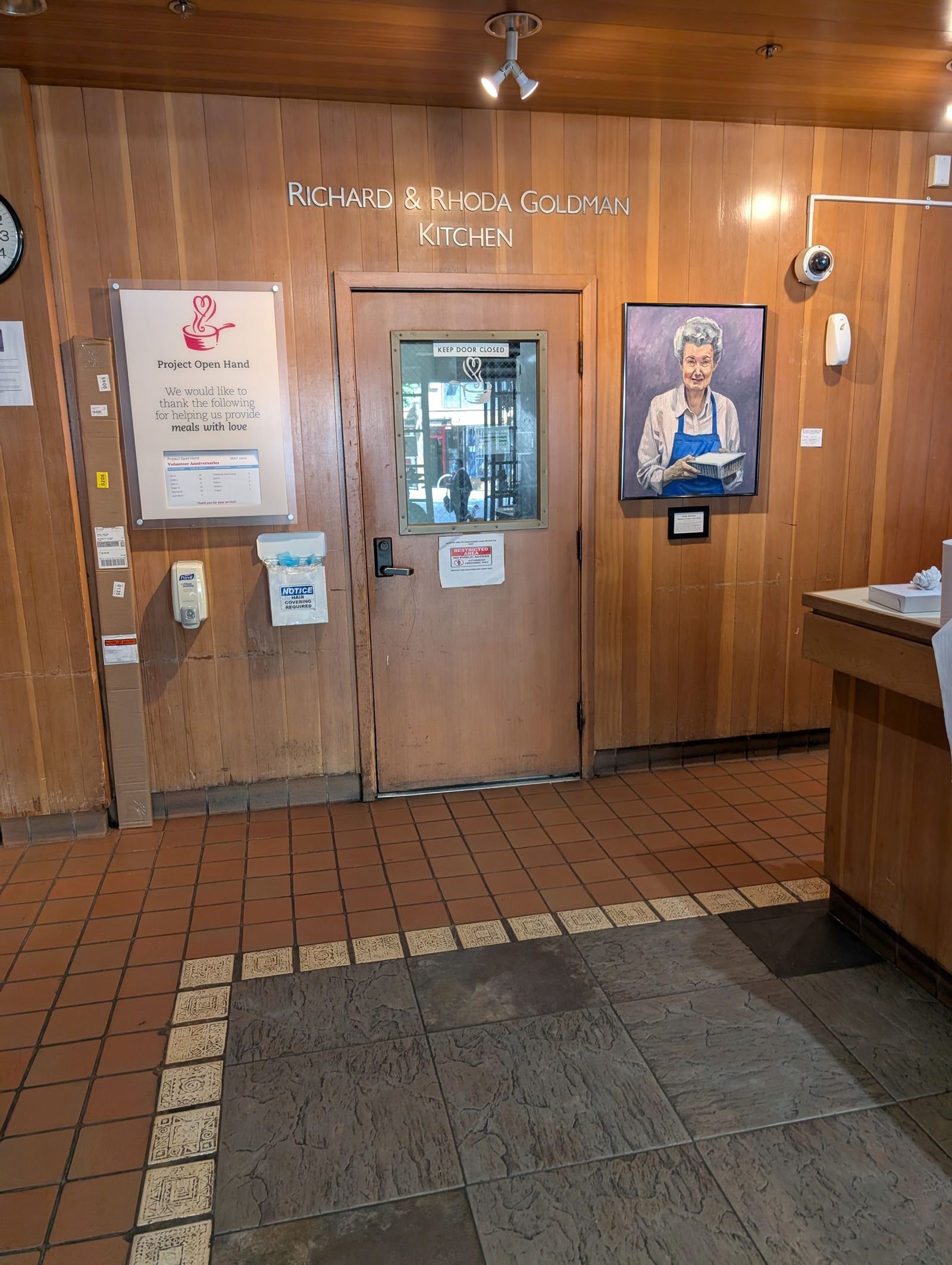
In San Francisco’s Tenderloin neighborhood, a nonprofit association is revolutionizing the preparation and delivery of nutritious meals for individuals facing serious health conditions. Founded during the AIDS epidemic, Project Open Hand now caters to clients with a variety of chronic illnesses such as diabetes, cardiovascular disease, and kidney disorders by providing customized meal kits tailored to thier unique dietary restrictions.
Despite its critical role, Project Open Hand struggles with recruiting sufficient volunteers to assemble these specialized meals. The intricate nature of accommodating allergies and medical diets makes meal assembly labor-intensive and complex. To address this challenge,the organization has embraced robotic technology as a practical solution.
The Impact of Robotics on Efficient Meal Assembly
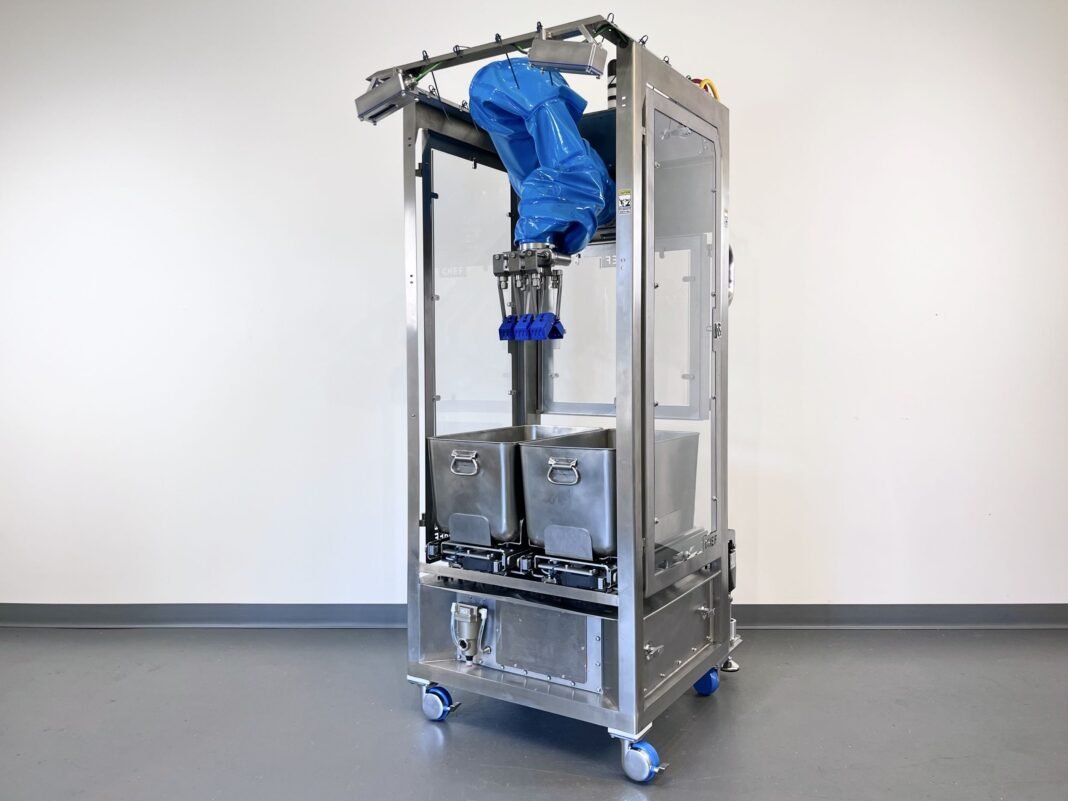
Chef Robotics, a company based in San francisco that develops AI-powered physical automation for food service operations, supplies robots designed specifically for precise plating tasks. Unlike machines that handle cooking or ingredient preparation,these robots excel at accurately portioning food onto trays at high volumes. Their clientele includes prominent companies such as Sweetgreen and Blue Apron.
The partnership between Chef Robotics and Project Open Hand began unexpectedly during a chance encounter on public transit between employees from both organizations.Despite concerns about subscription costs associated with leasing robotic arms, Project Open Hand’s leadership recognized the potential productivity gains amid volunteer shortages and decided to implement this cutting-edge technology.
A Collaborative Workforce: Robots Enhancing Human Capabilities
At peak times within Project Open Hand’s bustling facility-a multi-story kitchen-the robots work alongside human volunteers on an assembly line equipped with conveyor belts. Operating only several hours daily, these machines help produce approximately 200 additional meal boxes per hour beyond what volunteers can manage alone (roughly 500 meals per hour total). This allows staff members to dedicate more time to complex culinary tasks like chopping fresh vegetables or preparing plant-based proteins.
“It’s not solely about speed,” explains Alma Caceres, sous chef at the nonprofit; “we simply don’t have enough hands.” By delegating repetitive plating duties to robots, human workers can focus their expertise where it matters most.
Overcoming Challenges Unique to Food Automation
The robotic arms provided by Chef Robotics are equipped with interchangeable tools capable of handling around 70 different ingredients-from scooping mashed sweet potatoes into compartments to portioning sides like steamed green beans. While occasional spills require manual cleanup before sealing meals-tasks performed diligently by volunteers-the system operates reliably within acceptable tolerances compared to manual handling.
“Food presents unique challenges,” says Rajat Bhageria, CEO of Chef Robotics. “Its texture variability makes automation far more tough than many other manufacturing processes.”
A Personal Journey: From Recipient To Team Member
An inspiring example highlights this initiative’s impact: Joseph Sobiesiak first received assistance from Project Open Hand during his health battles in the early 1990s; today he actively participates in managing their meal assembly line himself. Initially skeptical about integrating robotics into conventional workflows, Sobiesiak has grown appreciative after witnessing firsthand improvements:
“I’m old-fashioned,” he reflects thoughtfully. “But things are definitely moving faster now.”
The Socioeconomic Landscape Driving Technological Adoption
Tenderloin remains one of San Francisco’s most economically challenged neighborhoods due largely to persistent homelessness and crime rates worsened by recent crises such as the COVID-19 pandemic-which caused many corporate volunteer groups supporting nonprofits like Project Open Hand to vanish almost overnight.
Although San Francisco has experienced an economic upswing fueled by booming tech industries-with annual venture capital investments surpassing $25 billion in recent years-the anticipated increase in corporate social responsibility efforts has yet to fully reach communities like Tenderloin.
Navigating Funding Perspectives Amidst Innovation
“Nonprofits often operate under resource constraints that hinder experimentation,” notes Paul Hepfer from Project Open Hand’s leadership team. He hopes adopting robotics will signal openness toward technological progress among funders while encouraging renewed engagement from emerging businesses post-pandemic:
“We want professionals working in biotech or AI sectors nearby not only investing financially but also volunteering time-and seeing how technology can improve health outcomes.”
Looking Ahead: Expanding Impact Thru Technology Integration
- Robotic systems capable of adjusting motions based on ingredient texture offer scalable solutions adaptable across diverse food preparation settings worldwide;
- This approach exemplifies how automation complements rather than replaces human labor-especially vital when addressing complex dietary needs;
- Sustained collaborations between nonprofits and tech innovators could reshape community support models amid evolving workforce dynamics;
- The success here may inspire other cities facing similar volunteer shortages combined with rising demand for medically tailored nutrition services;
- This fusion of compassion-driven service enhanced through artificial intelligence showcases practical applications beyond conventional industrial uses typically associated solely with automation technologies.
A Harmonious Blend Of Efficiency And Compassionate Care
The integration of robotics into charitable meal production demonstrates how emerging technologies can solve real-world challenges without displacing essential human elements-particularly empathy-driven roles requiring nuanced judgment or personal interaction.
As organizations explore similar innovations amidst shifting societal landscapes marked by labor shortages post-pandemic (with U.S.-wide volunteer participation declining nearly 10% since 2019), lessons learned here provide valuable insights into lasting models combining automated efficiency alongside community involvement.
AI-powered chefs spearheading change reveal promising pathways toward healthier futures supported through collaborative efforts uniting humans and machines alike.