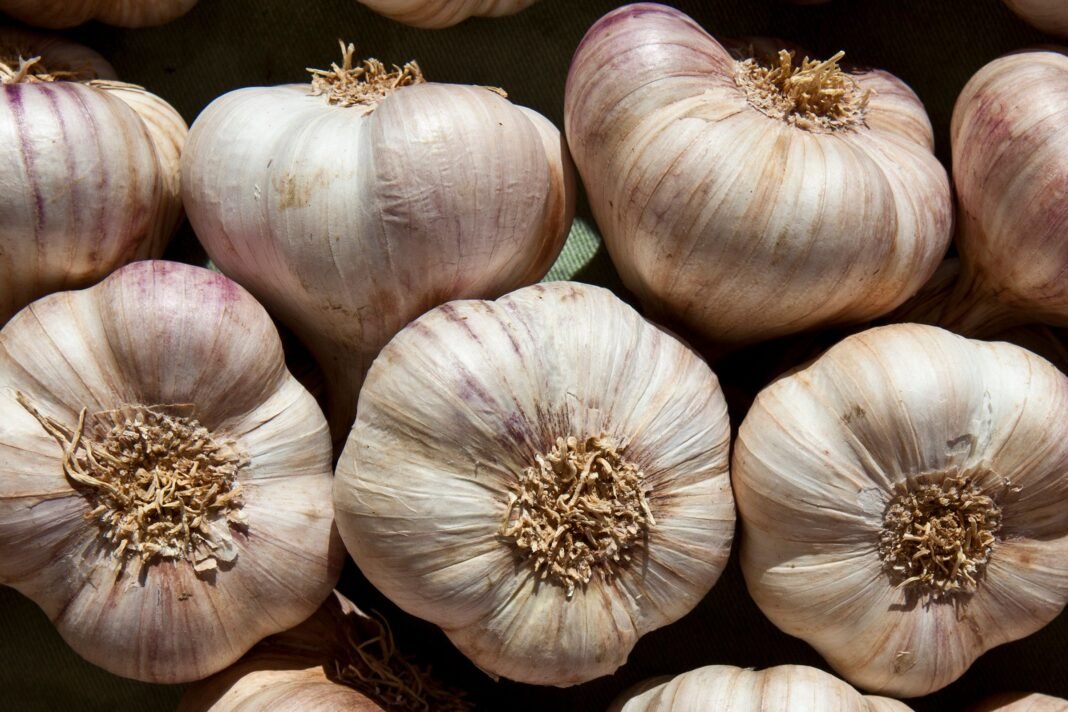
garlic’s Influence on Insect Reproduction: Insights from Recent Research
For centuries, garlic has been recognized as a natural insect repellent, particularly against mosquitoes. Its pungent aroma is widely believed to deter these insects, which are notorious vectors for diseases such as malaria and dengue fever. Modern scientific studies have now substantiated these traditional claims with empirical data.
Exploring Plant-Derived Substances That Alter Insect Mating Patterns
A team of scientists conducted an extensive examination of 43 fruits and vegetables to identify natural compounds capable of disrupting the reproductive behaviors of flying insects.Using fruit flies-known for their mating habits closely linked to food sources-as a model organism, they assessed how different plant extracts affected mating activity.
The researchers proposed that certain edible plants might contain bioactive chemicals that interfere with insect reproduction. When fruit flies were exposed to mashed samples from various produce items, no increase in mating was observed; notably, garlic uniquely suppressed both copulation and egg-laying entirely.
The Role of Taste Versus Smell in Garlic’s Deterrent Effect
To understand the underlying mechanism,two experiments were designed: one where flies encountered only garlic’s scent without tasting it,and another where they could both smell and taste it. Findings indicated that activation of taste receptors-not just olfactory signals-was essential in inhibiting reproductive behavior.
Diallyl Disulfide: The Key Compound Behind Garlic’s impact
Chemical profiling identified diallyl disulfide as the principal molecule responsible for this effect. This compound interacts specifically with the TrpA1 receptor found on taste organs in fruit flies.
The TrpA1 receptor functions as a sensory alert system by detecting harmful or unpleasant tastes and triggering avoidance responses upon activation.
This interaction stimulates bitter-sensitive neurons containing TrpA1 receptors, leading not only to behavioral rejection but also inducing molecular changes within the nervous system by modifying gene expression related to feeding regulation pathways.
Molecular mechanisms Underlying Decreased Reproductive Motivation
Among these genetic alterations is an upregulation linked to satiety signaling-a biological process governing hunger suppression-which suggests exposure to garlic compounds creates sensations similar to fullness in insects. This effect appears particularly pronounced in female insects by diminishing their drive toward mating and reproduction.
Extending Findings Across Multiple Disease-Vector Species
The examination expanded beyond fruit flies to include mosquitoes responsible for transmitting yellow fever, dengue fever, Zika virus infections, along with tsetse flies known for spreading sleeping sickness. Across all tested species, garlic consistently demonstrated strong potential in reducing reproductive behaviors among these pests.
this revelation underscores Allium sativum, commonly called garlic-a globally accessible and cost-effective crop-as a promising tool for controlling insect populations harmful both to human health and agricultural productivity worldwide.
A Blend of Tradition and Contemporary Science
The idea of using garlic against blood-feeding insects dates back over 100 years; famously referenced through folklore such as Bram Stoker’s Dracula, where vampires are repelled by its scent-a concept now validated through scientific evidence showing tangible effects on pest reproduction cycles today.