
Advancing Humanoid Robotics: Cost-Effective Dexterous Hands Shaping the Future of Automation
Unlocking New Possibilities wiht Affordable, Highly Skilled Robotic Hands
Envision owning a humanoid robot priced lower then many mid-range smartphones. Would you consider having several to assist with daily tasks such as meal preparation, cleaning, childcare, or even professional duties? This scenario is swiftly becoming a reality due to significant innovations in robotic hand technology.
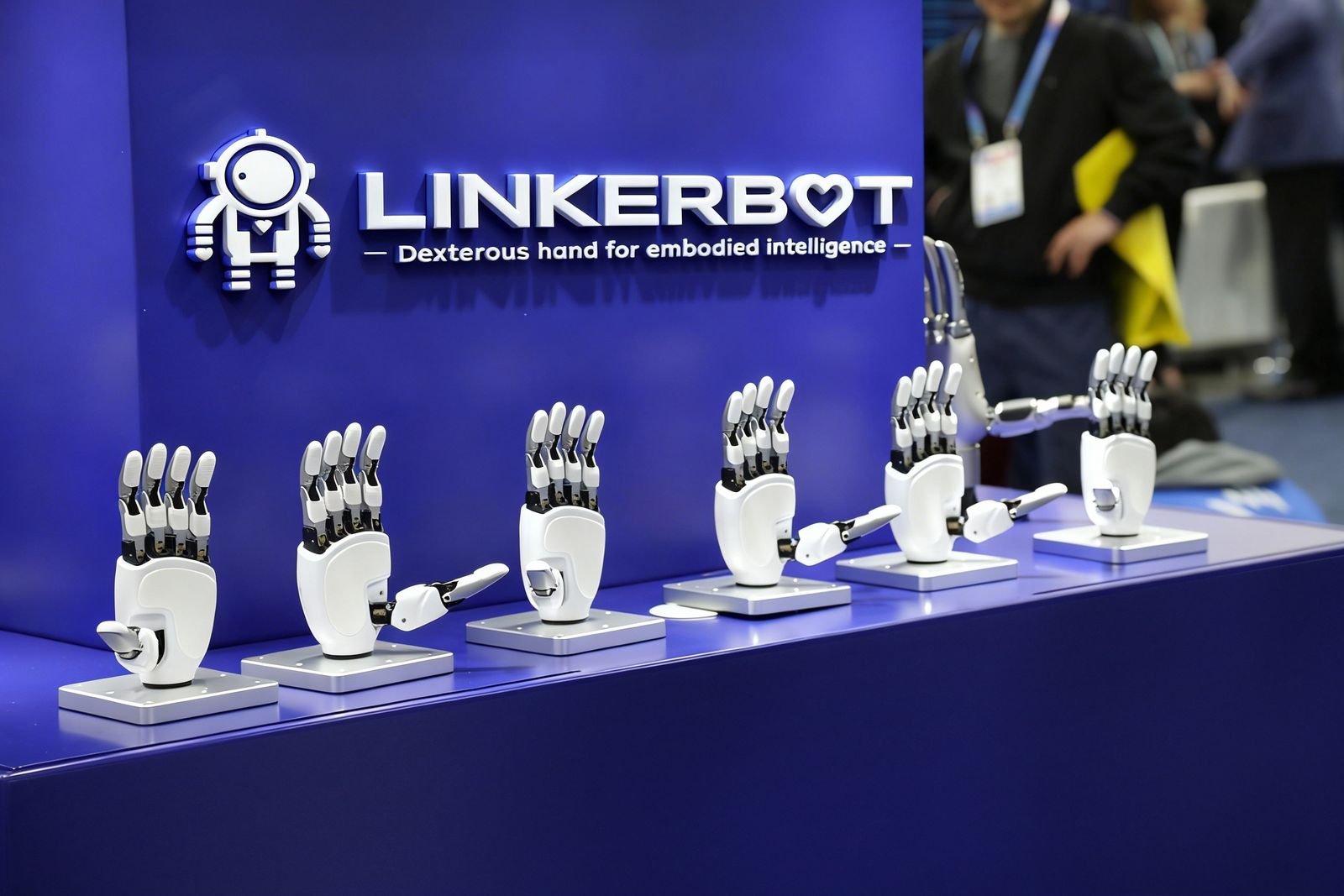
Zhou Yong, founder and CTO of LinkerBot-a pioneering Chinese firm specializing in complex robotic hands-has introduced five-fingered hardware featuring over 11 joints at an accessible price point of around $600 domestically.these hands exhibit remarkable precision: they can perform delicate tasks like playing musical instruments, threading needles for sewing, tightening screws accurately, and assembling complex electronic devices. Zhou predicts that within the next three to five years prices will fall further to approximately $200 per unit. He envisions a future where “everyone owns an average of ten robots.”
The Critical role of Hand Dexterity in Humanoid robotics
while public events such as Beijing’s humanoid robot marathon have showcased impressive strides in robotic mobility, experts agree that achieving human-like hand dexterity remains the most formidable engineering challenge. Elon Musk highlighted this difficulty by stating that “the hands represent the majority of engineering complexity” when developing humanoid robots.
As its inception in 2023, LinkerBot has rapidly secured about 80% of global demand by delivering over 10,000 units last year alone. Their customers include research labs, manufacturing facilities, and companies working on full-scale humanoid robots.
A Focused Strategy Driving Market Leadership
zhou’s business model emphasizes mastering one critical component rather than building entire robots from scratch-a tactic compared by industry expert Hong Shangguan to selling shovels during a gold rush instead of mining for gold directly. By concentrating exclusively on producing top-tier robotic hands instead of competing with full-body system developers like Tesla or Unitree, LinkerBot has established itself as an industry leader.
- Their product lineup ranges from $600 up to $15,000 depending on joint complexity and functionality.
- This cost advantage allows factories worldwide to integrate their technology affordably compared to competitors offering advanced but expensive prototypes.
- Autonomous analysts recognize LinkerBot as best positioned for near-term standardization due to scalable manufacturing capabilities.
The Impact of China’s Manufacturing Ecosystem on Innovation Acceleration
Zhou attributes much progress to China’s extensive manufacturing infrastructure which accelerates advancement across emerging sectors-from solar energy panels and electric vehicles to robotics components-often outpacing global counterparts starting concurrently. He stresses collaboration over competition: “We support international robotics manufacturers by lowering costs and speeding adoption.” To ensure confidence among overseas buyers regarding quality standards abroad, LinkerBot provides exchange policies valid up to one year after purchase.
Addressing Workforce Shortages Through Automation Solutions
Although China historically benefited from abundant low-cost labor pools within factories, recent trends reveal increasing shortages driven by younger generations’ reluctance toward factory work environments. Managers at electric vehicle plants report challenges filling roles traditionally staffed by humans-prompting greater reliance on automation technologies such as those enabled by LinkerBot’s dexterous robotic hands integrated directly into assembly lines.
A Phased Approach Toward Widespread Robot adoption
- Entertainment & Social Engagement: Initial deployment focuses on roles involving dancing or welcoming guests-functions already demonstrated extensively at recent Chinese tech exhibitions.
- Niche Task Automation: The next stage involves specialized jobs like bartending or sorting packages efficiently within controlled settings.
- diverse Domestic Assistance: ultimately robots will operate autonomously inside varied home environments where layouts differ widely; accomplishing even simple chores requires integrating multiple skills seamlessly amid unpredictable conditions.
An Industrial Example: Self-Assembling Robotic Hands Enhancing Production Efficiency
A notable case is how LinkerBot utilizes its own dexterous robotic hands within production lines-to assemble additional robotic hands-demonstrating both industrial practicality and scalability potential amid China’s nationwide push toward smart factory modernization initiatives.
A Forward-Looking Perspective: Robots Surpassing Human Performance Levels
Zhou envisions a future where robots exceed human efficiency exponentially-possibly operating at more than 100 times current productivity-and eventually replace human labor across numerous industries entirely. While this change raises concerns about job displacement globally focus remains less on unemployment itself but rather whether social safety nets adequately support workers transitioning away from traditional employment models during these shifts.
“People don’t worry so much about losing jobs; what matters most is receiving sufficient relief payments or welfare benefits.”
This surge in AI-driven automation could usher society into an era where work becomes optional because goods and services are abundant enough without continuous human effort required. Nonetheless Zhou acknowledges persistent inequalities may remain-for example some individuals might enjoy space tourism while others travel only regionally-which highlights ongoing challenges despite technological advances aiming toward worldwide prosperity through robotics innovation.