Federal Court prevents Trump’s Name from Being Added to Kennedy Center Without Congressional Consent
Judicial Ruling Reinforces Original Dedication of the Kennedy Center
A federal court has ruled that President Donald Trump lacks the authority to independently attach his name to the John F. Kennedy Center for the Performing Arts in Washington, D.C., without explicit approval from congress. The decision requires removal of any signage bearing Trump’s name within 14 days and halts plans to close the venue for renovations until further judicial review.
Legal Basis and Court’s Determination
In a detailed 94-page judgment, U.S. District Judge Christopher Cooper highlighted that the 1964 legislation establishing the Kennedy Center specifically dedicates it solely to President John F. Kennedy. Any effort to rename or rebrand this landmark must be authorized through congressional legislation, wich was not secured in this instance.
The lawsuit originated with Representative Joyce beatty of Ohio, a congressional appointee on the center’s board since 2019. She contested changes implemented by a revamped board dominated by Trump allies, arguing they lacked legal power to alter the institution’s name absent new laws passed by Congress.
Court’s role in Oversight and Governance
“this ruling does not prescribe management decisions nor endorse particular renovation plans,” Judge Cooper clarified, emphasizing judicial restraint while affirming compliance with statutory mandates.
Operational Impact: Renovation Plans Put on Hold
The court also temporarily blocked earlier announcements proposing a two-year closure for renovations intended to address aging infrastructure under Trump-appointed leadership. The judge criticized these decisions as being based on incomplete or insufficient data presented by board members loyal to Trump.
Future proposals for closing or renovating must be supported by complete evidence allowing independent assessment that balances operational needs with respect for its role as a memorial honoring President Kennedy.
Tensions sparked by Board Restructuring and Naming Controversy
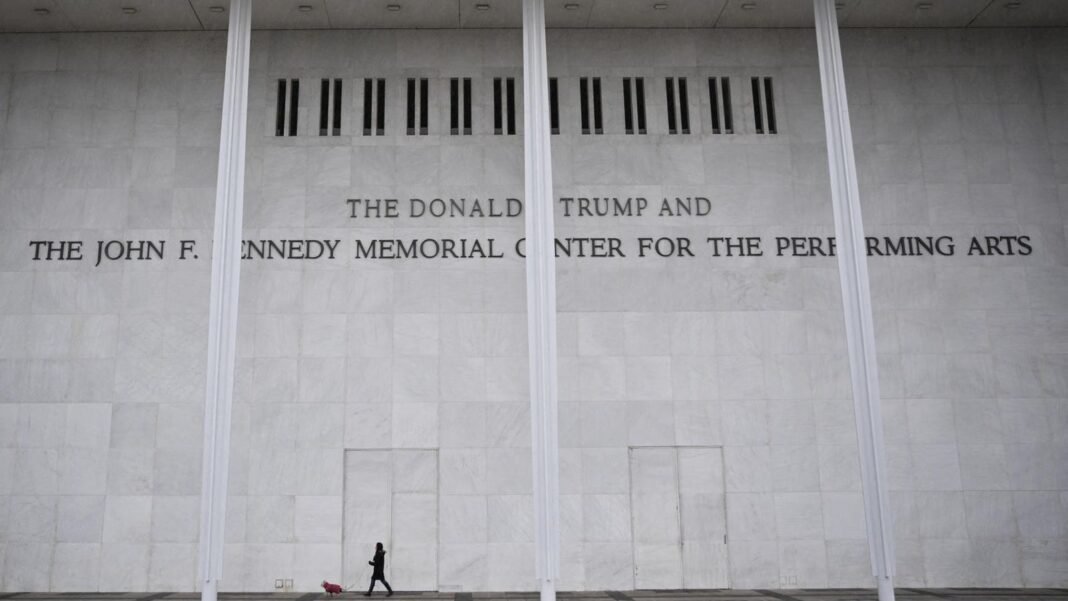
The dispute traces back to meaningful changes made last year when President Trump replaced much of the existing board with close associates including prominent figures such as Second Lady Usha Vance and White house officials Dan Scavino and Susie Wiles. This newly constituted board elected Trump chairman and unanimously voted in December to add his name alongside JFK’s on official signage reading “The Donald J. Trump And The john F.Kennedy Memorial Center For The Performing Arts.”
Cultural Backlash Over Programming Choices Leads To Artist Withdrawals
This takeover coincided with public criticism from Trump targeting what he described as “woke” programming at the center-especially LGBTQ-themed performances he labeled inappropriate or offensive-a stance reiterated during his Febuary remarks calling some shows “disgraceful.” These actions provoked backlash within artistic circles; notable creators like Issa Rae and Shonda Rhimes severed ties amid concerns about political interference undermining creative freedom.
A Reflection of Broader Cultural Conflicts Within American Arts Institutions
this controversy exemplifies ongoing national debates surrounding governance, cultural depiction, and political influence within major arts organizations across America today-where naming rights often collide with efforts both preserving historical legacies and advancing contemporary leadership agendas.
- Name Removal Deadline: Required within two weeks following enforcement of court order.
- No Immediate Closure: Planned renovation-related shutdowns suspended pending thorough review processes backed by robust data analysis.
- Court Emphasis: Strict adherence to founding statutes is essential; ultimate authority over naming rests exclusively with Congress per decades-old law.
- Cultural Impact: Resistance from artistic communities highlights persistent tensions between institutional independence versus risks posed by politicization under evolving leadership models (2024 observations).
Navigating Heritage Preservation Amid Contemporary Management Challenges
This ruling highlights how historic performing arts institutions must carefully balance legal protections safeguarding their founding missions while adapting operationally amid shifting political climates-and growing public demands for clarity coupled with reverence toward cultural legacies deeply woven into American history.