Charting the Future of Space Commerce: Beyond the SpaceX IPO
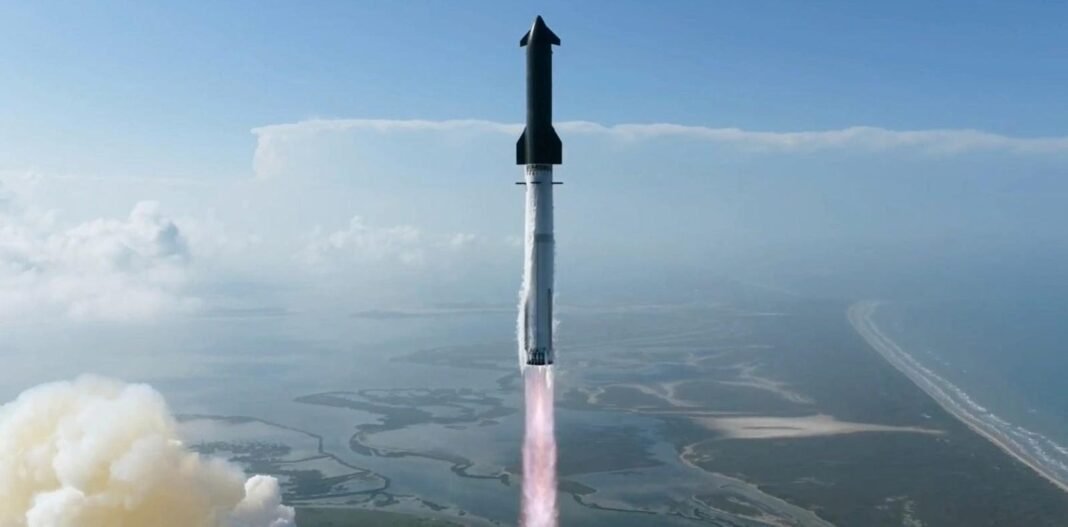
The recent test flight of SpaceX’s Starship V3 marks more than a technological breakthrough; it heralds a transformative phase in the space sector’s evolution. This event not only heightens anticipation around SpaceX’s impending IPO but also underscores a broader revolution reshaping America’s space economy.
Revolutionizing Economies: From past Industrial booms to Space Innovation
History rarely focuses on initial valuations of pioneering companies. Rather, it highlights how nations capitalized on industrial revolutions sparked by these innovators. While SpaceX’s upcoming public offering may become one of the largest in history, it represents just one milestone within an expansive shift where private capital, rapid software development, large-scale manufacturing, artificial intelligence advancements, and national security priorities intersect to redefine economic dominance.
The Acceleration of Innovation Through Scale and Velocity
The buzz surrounding this IPO is understandable given projections that could reach unprecedented levels. Yet beyond market capitalization lies the true importance: how this momentum will drive future breakthroughs and strategic advantages for America.
America has faced similar pivotal moments before-railroads transformed commerce in the 19th century; oil powered industrial expansion; aviation revolutionized global travel; and the internet reshaped communication worldwide. Each wave generated vast wealth while recalibrating military strength, industrial capacity, cultural identity, and geopolitical influence.
Policy Decisions at a Crucial Juncture
A pressing question remains whether policymakers will foster conditions necesary to maintain U.S. leadership or allow stagnation through overregulation or excessive financialization. the government must prioritize cultivating competitive markets rather than entrenching monopolistic structures that hinder innovation.
Evolving from Government-Controlled Programs to Market-Led Growth
When SpaceX emerged two decades ago, prevailing wisdom held that space systems would remain government-owned assets-few in number and hampered by bureaucratic delays and high costs. Today’s landscape contrasts sharply: demand favors decentralized networks driven by agile software solutions funded commercially at speeds comparable to internet startups.
This paradigm shift means retail investors increasingly view space ventures as viable portfolio components-recognizing that companies lacking credible reusability strategies risk obsolescence amid fierce competition for orbital dominance.
The Role of Private Investment in Accelerating Risk-Taking
Venture capitalists alongside institutional investors are now shouldering risks once borne almost exclusively by governments. Agencies like DARPA have adapted their approaches to align with commercial innovation cycles rather than dictate them-a reversal illustrating how private sector dynamics set new standards for technological progress.
Diversifying Commercial Activities Across orbital Infrastructure
- Satelite Broadband: Services like OneWeb demonstrate how satellite internet has evolved into primary revenue streams for aerospace firms beyond conventional launch operations alone.
- Geospatial Intelligence: Private companies now deliver critical earth observation data faster than many governmental agencies can respond-a vital asset for disaster response and environmental monitoring alike.
- Navigational Technologies: GPS remains essential for global finance timing and defense but faces increasing threats from adversaries-prompting hybrid models integrating commercial augmentations to enhance resilience against disruptions.
The Rising Strategic Importance of Orbital Assets
A decade ago predictions based on Moore’s Law proved accurate as satellite hardware became cheaper while launch cadence surged due largely to private funding surpassing public expenditure on space projects globally. however, expectations underestimated two factors: slow government adoption rates coupled with rapidly escalating geopolitical stakes tied to orbital infrastructure serving both economic functions and defense imperatives worldwide.
Pioneers Shaping Tomorrow’s Aerospace Landscape
This “second space race” will likely immortalize only select trailblazers-as seen historically with railroad barons or early aviation magnates whose legacies faded amid industry consolidation or disruptive innovations.
Nurturing Competitive Markets Over Monopolistic Control
“True industrial revolutions thrive amidst vibrant competition-not sheltered monopolies.”
Sole-source contracts may offer short-term efficiency but risk long-term stagnation if they insulate incumbents from challenge-undermining dynamism crucial for sustained growth across sectors vital to national security.
- diverse procurement fosters rivalry among suppliers driving continuous innovation;
- An entrepreneurial mindset embracing calculated risks sparks groundbreaking advances;
- A healthy capital market ecosystem accelerates scaling promising technologies;
- An adaptive regulatory framework enables swift responses without compromising oversight;
- This blend historically propelled American leadership across industries-and must persist into aerospace’s next chapter;
Navigating Today’s Emerging Orbital Economy
Todays’ household names may fade much like vanderbilt fortunes did after railroads matured-but emerging leaders within specialized engineering communities stand ready to define coming decades through innovations ranging from edge computing integrated with satellites up through AI-powered decision-making systems enhancing real-time military readiness.
Preserving America’s competitive advantage demands fostering an ecosystem balancing rapid adaptation with strategic patience-a formula ensuring entrepreneurial vigor thrives amid evolving challenges posed by global competitors seeking footholds beyond Earth.
Ultimately, history rewards those who grasp transformative undercurrents beneath headline valuations-not merely opening price tags. Maintaining open markets rich with opportunity remains essential if America aims not only to lead economically across this century’s final frontier but also secure its strategic interests far into future generations.