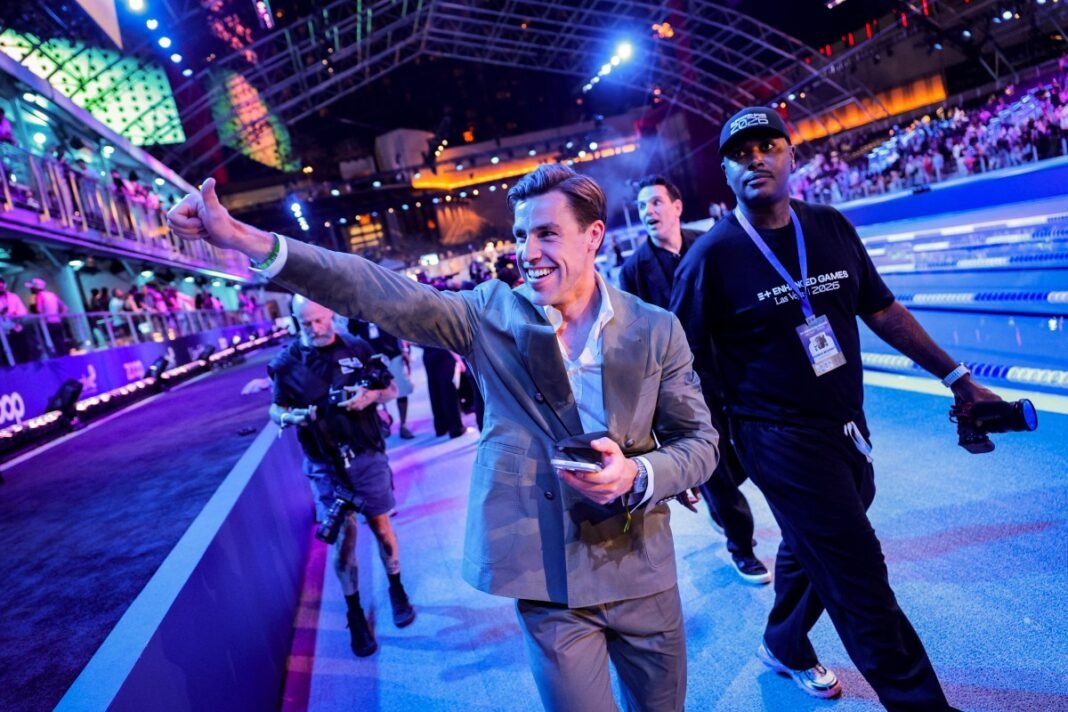
Exploring the Controversial Realm of the Enhanced Games
beneath the scorching Nevada sun,a formidable athlete strains to lift a massive barbell overhead. The reward at stake? An extraordinary $250,000 prize for success.
This competitor is Boady Santavy, a Canadian weightlifter with two Olympic appearances to his name. His muscular build resembles that of a comic book hero-powerful and almost surreal in its definition.
Santavy aims to break the men’s snatch world record of 183 kilograms (approximately 403 pounds). After an intense effort, he fails to complete the lift and drops the barbell, visibly disappointed as he walks away from the platform.
A Revolutionary Approach to athletic Competition
Among 42 athletes-including swimmers and runners-gathered in Las Vegas over Memorial Day weekend is Santavy. They compete in an unprecedented event: The Enhanced Games. This competition openly permits performance-enhancing drugs (PEDs), allowing substances typically banned in conventional sports.
Often criticized as “the steroid Olympics,” this event breaks traditional boundaries by sanctioning anabolic steroids, testosterone boosters, peptides, human growth hormones, and more-all administered under rigorous medical supervision. Competitors underwent three months of training at an elite facility in the United Arab Emirates where doctors tailored drug regimens specifically for each athlete’s physiology and goals.
The Financial Rewards Driving Participation
Beyond prestige and records lies significant financial motivation. Athletes receive appearance fees simply for competing; winners or record-setters can earn up to $1 million-for example, sprinters excelling in events like the 100-meter dash or swimmers dominating short-distance races such as the 50-meter freestyle-turning this spectacle into both a contest of skill and lucrative enterprise.
The Intersection of Technology and Human Enhancement
this groundbreaking sporting event owes much to Silicon Valley entrepreneurs with expertise spanning cryptocurrency technology, artificial intelligence, and biotechnology. Supported by influential investors from these fields-including notable figures like Peter Thiel-the organizing body behind these games represents an emerging industry focused on pharmaceutical-driven human enhancement.
The company promotes personalized health treatments involving peptides designed for muscle growth or weight management (such as GLP-1 analogs), testosterone therapies, and other performance enhancers-all FDA-cleared but controversial due to their potential cultural impact on normalizing steroid use among younger demographics seeking rapid physical transformation.
Resistance from Established Sports authorities
The World Anti-Doping agency has denounced this competition as reckless experimentation with athlete safety at risk. U.S. Anti-Doping Agency CEO Travis Tygart described it dismissively as “a circus prioritizing profit over well-being.” Given longstanding concerns about steroids’ health effects-even when medically approved-the global sports community views this open doping experiment with deep apprehension.
The Surge of Peptide Culture: A New Frontier
- In early 2026 U.S Health Secretary Robert F. Kennedy Jr., publicly advocated peptide therapies during popular podcasts such as Joe Rogan’s show while signaling intentions toward easing FDA restrictions on certain compounds currently caught in legal gray zones;
- This regulatory shift has ignited fierce competition among startups racing to develop peptide-based products poised for market release if controls are relaxed;
- Silicon Valley tech hubs have become centers where biohackers socially administer peptides during exclusive gatherings while investing heavily into longevity-focused companies offering medically supervised supplements;
- Younger generations increasingly adopt “looksmaxxing”-a social media-driven trend emphasizing extreme self-optimization through cosmetic enhancements including peptide treatments;
- cultural influencers like online personality Clavicular alongside neuroscientist podcaster Andrew Huberman amplify awareness around these substances’ claimed benefits despite ongoing debates about long-term safety risks;
The Business Model Behind Wellness Claims
“Throughout history people have sought ways to enhance performance-from Hollywood stars sculpting ideal physiques using disciplined diets combined with advanced supplementation-to everyday individuals pursuing vitality through medically supervised protocols.”
Maximilian Martin, CEO of Enhanced Group Inc., positions himself not only as an innovative entrepreneur but also pragmatic businessman who believes profit motives can align harmoniously with consumer wellness objectives:
Martin points out that roughly 85 million Americans already consume some form of unregulated enhancement substances without professional guidance . His company aims rather to offer safe access via clinical oversight paired with AI-powered personalized treatment plans developed through partnerships such as one recently formed with Rezolve AI telehealth providers.
“ther is no reason why something beneficial shouldn’t also be profitable,”
says billionaire co-founder Christian Angermayer candidly when discussing how ethics intersect commercial interests within this emerging sector.
A Spectacle Like No Other Unfolds Amid Las Vegas Lights
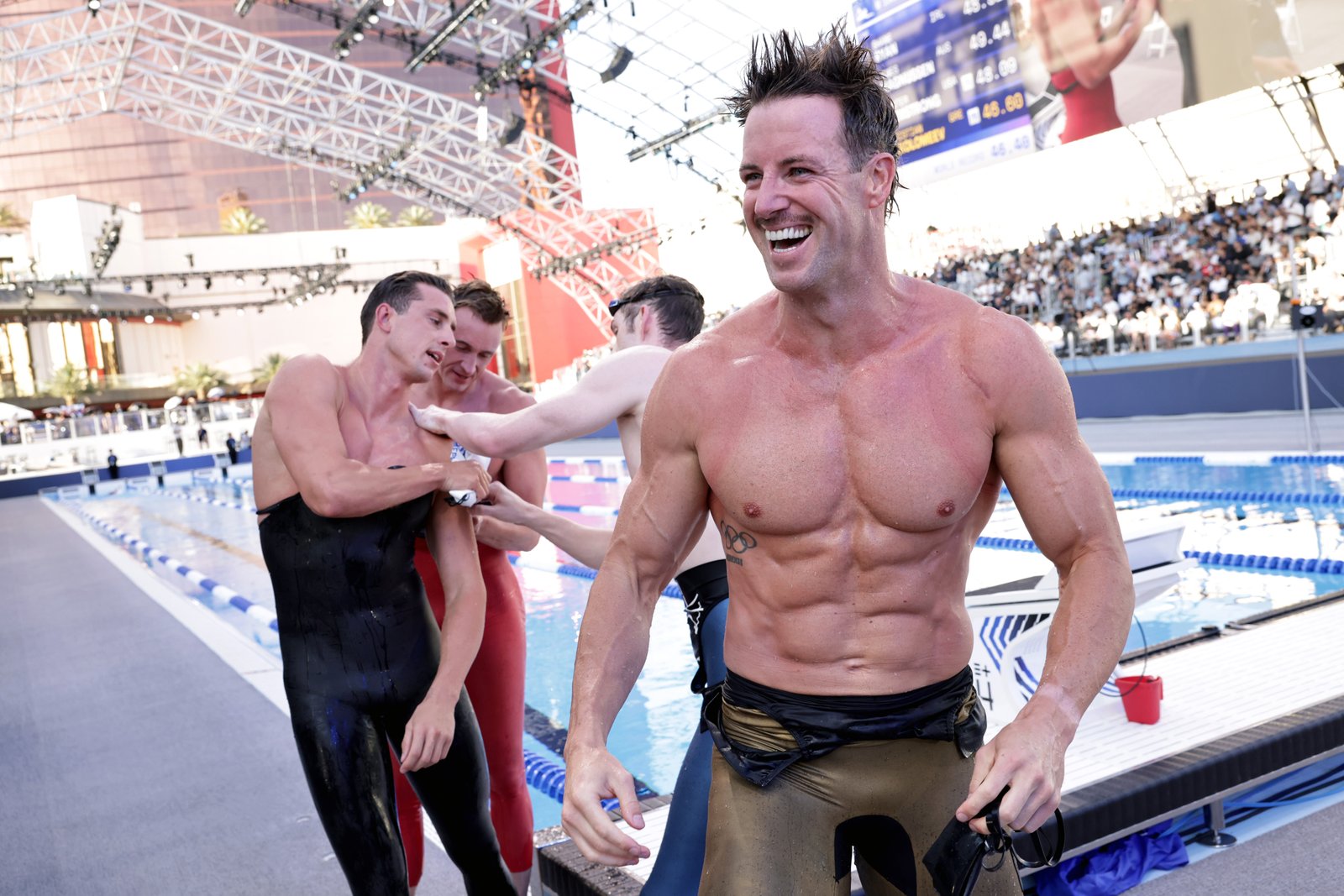
The day-long contest took place inside a striking $50 million open-air stadium constructed rapidly just weeks before specifically for hosting these games-featuring sprint tracks alongside Olympic-sized pools plus dedicated zones equipped for weightlifting contests surrounded by enthusiastic crowds enduring Nevada’s typical spring heat waves.
The atmosphere blended elements reminiscent less of solemn Olympic tradition than theatrical entertainment formats akin to reality TV talent shows mixed with pro wrestling dramatics; announcers delivered booming commentary while youthful influencers filled stands dressed vibrantly creating festival-like energy.
Evenings culminated spectacularly when iconic rock band The Killers performed live concerts adding flair befitting Sin City’s reputation-a playground devoted equally to excess spectacle & fleeting fame rather than lasting athletic legacy.
Diverse Athlete Profiles Reveal Complex Motivations
- Lena Thompson:A former european track star returning after injury who embraces peptide therapy openly yet struggled substantially placing near bottom despite high hopes;
- Mikael Sørensen:Northern strongman known globally partly due to his role in popular Nordic films; candid about prior steroid use & eager participant seeking safer monitored doping environment though ultimately unable break deadlift world record attempting over half-a-ton lift;
- Ethan Cole:An American swimmer abstaining entirely from enhancements motivated primarily by preserving eligibility within traditional Olympic frameworks yet attracted nonetheless by substantial prize money offered here;

A Record-Shattering Conclusion Amid Mixed Reactions
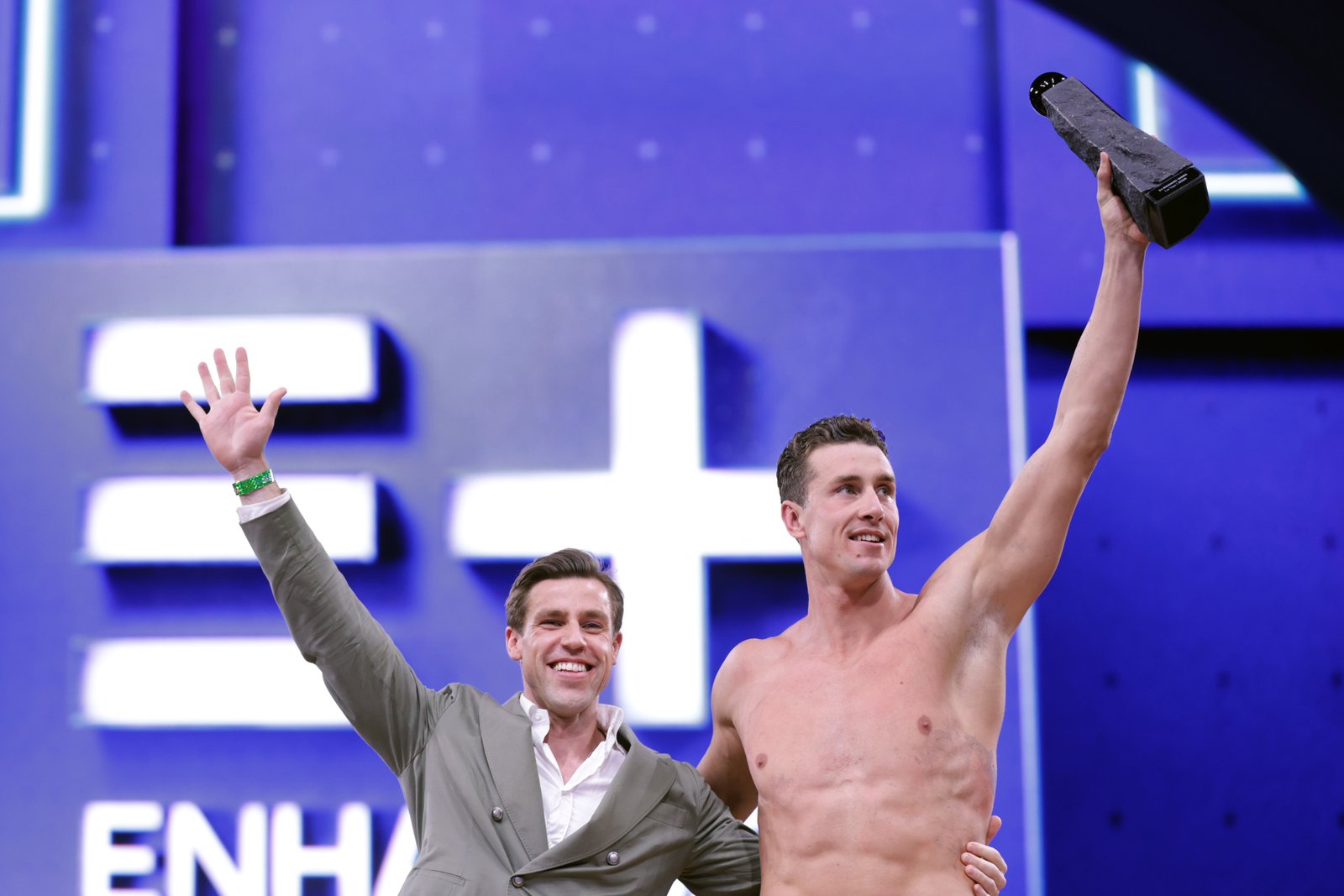
the climax arrived during men’s 50-meter freestyle swim when Greek powerhouse Kristian Gkolomeev obliterated existing world records clocking an astonishing time just below previous bests-igniting wild cheers accompanied by vibrant red lighting effects reminiscent more of game shows than traditional sporting ceremonies.
This singular feat highlighted both potential unlocked via chemical enhancement protocols alongside lingering questions regarding authenticity & future implications across competitive sport worldwide.
Cultural Insights: Vanity Versus Genuine Wellness?
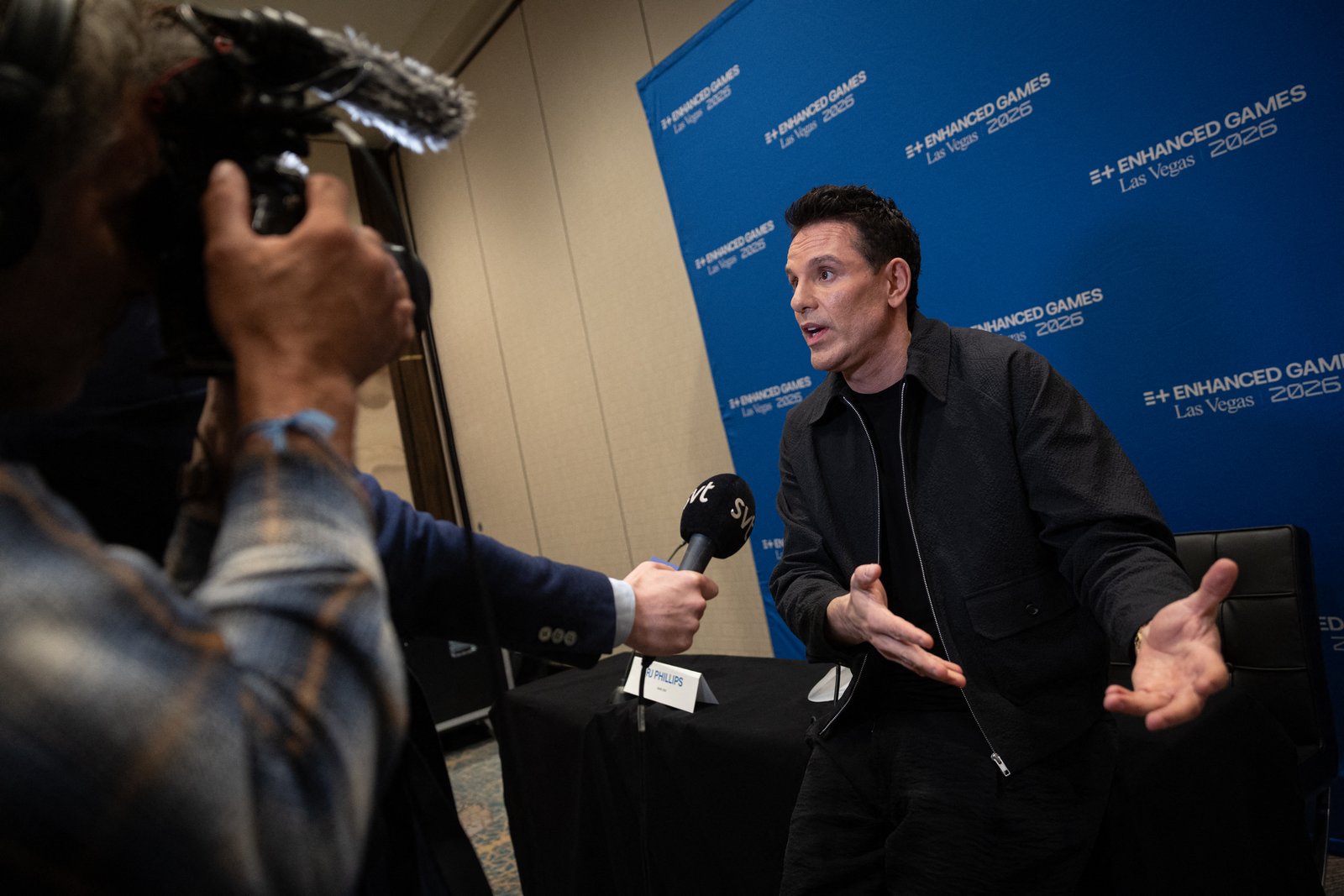
“Fitness culture has long been entwined deeply not only around health but self-image projection,” reflect observers considering how staging such spectacles amid neon-lit extravagance epitomizes contemporary societal values prioritizing instant gratification over sustainable wellbeing.”
- Las Vegas-the chosen venue-symbolizes indulgence rather than purity or longevity often associated historically with athletic excellence;
< li >Participants’ reliance on potent drug cocktails raises ethical dilemmas balancing short-term gains against unknown long-term health consequences ;< / li >
< li >Organizers celebrate scientific progress framed simultaneously as lucrative enterprise betting heavily that normalization will fuel explosive market growth ;< / li >
< li >Consumers chase youthfulness & strength amplified exponentially via social media pressures encouraging rapid physical change nonetheless cost .< / li >