How the Audemars Piguet and Swatch Partnership is Shaping the Luxury Watch industry
Opening Doors to a New Generation of Watch Enthusiasts
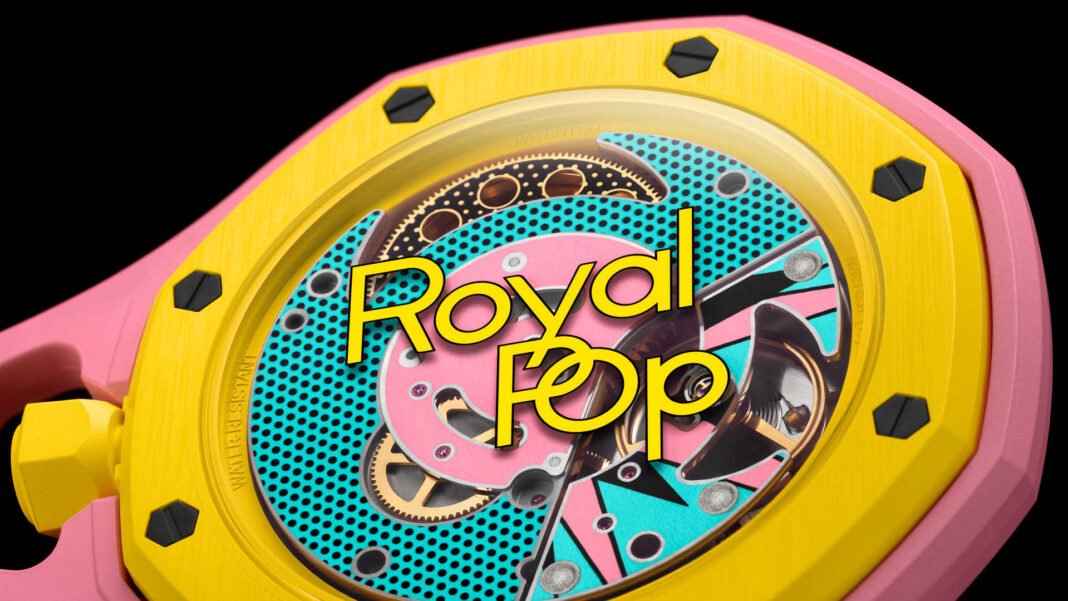
The collaboration between audemars piguet (AP) and Swatch has introduced the Royal pop collection, a lively series of timepieces crafted to attract younger consumers and broaden brand accessibility. Unlike AP’s traditional Royal Oak watches, wich often retail above $50,000 and have lengthy waiting lists, these vibrant models are priced more affordably to invite wider participation.
This initiative targets emerging audiences such as millennials and women who may not yet be ready to invest in high-end luxury watches. The Royal Pop line features unconventional designs worn on lanyards instead of standard wristbands, emphasizing that these pieces serve as an approachable gateway into AP’s world rather than replacements for its iconic offerings.
Market Response: Endurance Despite Initial Doubts
Although some collectors initially feared that this partnership might erode Audemars Piguet’s exclusivity or tarnish its reputation among horology purists,resale values for AP timepieces have remained stable. A few outspoken critics even threatened to sell their expensive AP watches if they believed the collaboration cheapened the brand’s image.
However, data from industry tracking platforms reveal no meaningful drop in prices for key AP models since Royal Pop’s debut. Experts confirm that collectors continue distinguishing core Audemars piguet products from this playful offshoot,preserving their value despite skepticism.
The Evolving Secondhand Luxury Watch Market
The luxury watch sector saw a speculative boom during the pandemic but experienced a notable correction starting in 2022. As an example,indices monitoring top-selling Audemars Piguet models fell by nearly 40% from peak levels last year-a trend mirrored by Rolex and Patek Philippe,two other giants within watchmaking’s “Big Three.”
Yet early 2024 shows signs of stabilization: secondary market prices for AP rose approximately 2% in Q1; Rolex increased about 1.7%, while Patek Philippe climbed close to 3%. Despite these gains, inventory turnover rates suggest demand-supply imbalances persist more acutely with Audemars Piguet compared to its peers.
Cultivating Brand Value Through Cultural Influence
Audemars Piguet produces roughly 50,000 watches annually-considerably fewer than Rolex’s output exceeding one million units per year-and remains family-owned with strategic plans spanning decades rather than quarterly results.
The launch of Royal Pop has sparked considerable cultural momentum via social media engagement and digital buzz rarely achieved at this price point alone. This heightened visibility nurtures interest among younger demographics who may aspire eventually to own classic Royal Oak pieces.
“While some traditionalists worry about losing horological prestige,” industry observers note that “AP is gaining cultural relevance across broader audiences-a type of status money cannot easily purchase.”
A Parallel From Another Sector: Fashion Collaborations
This strategy resembles trends seen in luxury fashion where established houses partner with streetwear brands on limited-edition collections designed to expand reach without diluting flagship lines’ exclusivity or pricing power-similar dynamics now influencing high-end watchmaking through projects like Royal Pop.
Strategic Outlook: investing in Tomorrow’s Collectors Today
- Cultural connection: Bold collaborations enable Audemars Piguet to engage contemporary trends while safeguarding heritage product value and exclusivity.
- Younger Audience Engagement: accessible designs spark curiosity among new consumers about fine watchmaking traditions over time.
- sustainable Brand Growth: Despite global economic pressures affecting discretionary spending-including inflation-the long-term focus remains on nurturing loyal collectors rather than chasing immediate sales spikes.
Final Thoughts: Balancing Heritage With Innovation Successfully
The alliance between Audemars Piguet and Swatch marks an inventive approach toward harmonizing tradition with evolving consumer tastes. While some dedicated collectors remain cautious about maintaining exclusivity within certain segments versus expanding mass appeal elsewhere; current evidence indicates core brand values endure alongside promising growth fueled by fresh cultural relevance worldwide.