Private Equity’s Expanding Role in Shaping Youth sports
how Strategic Investments Are Reshaping Youth Athletics
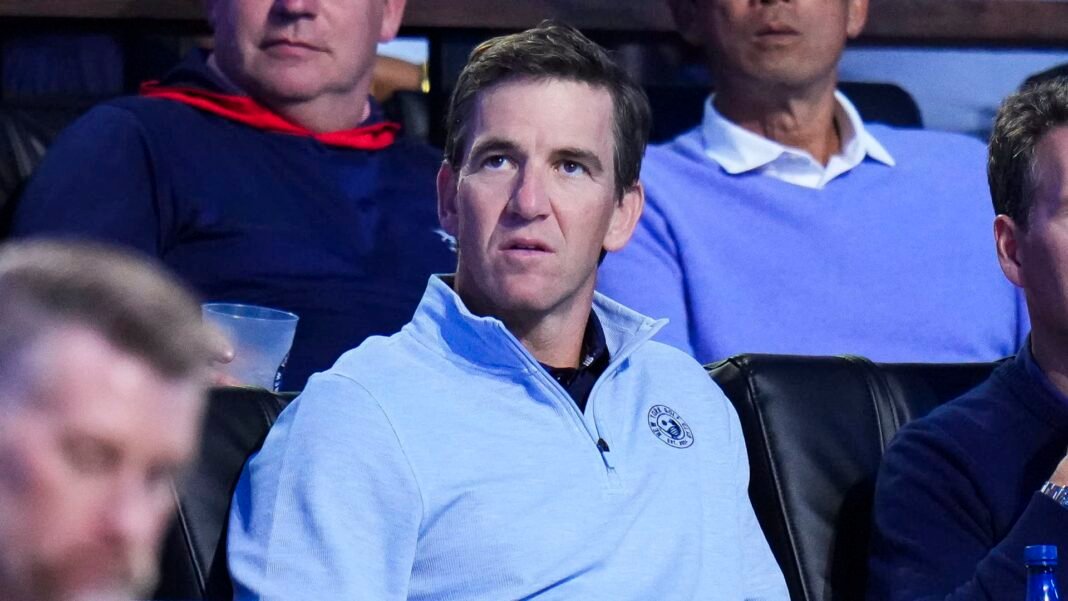
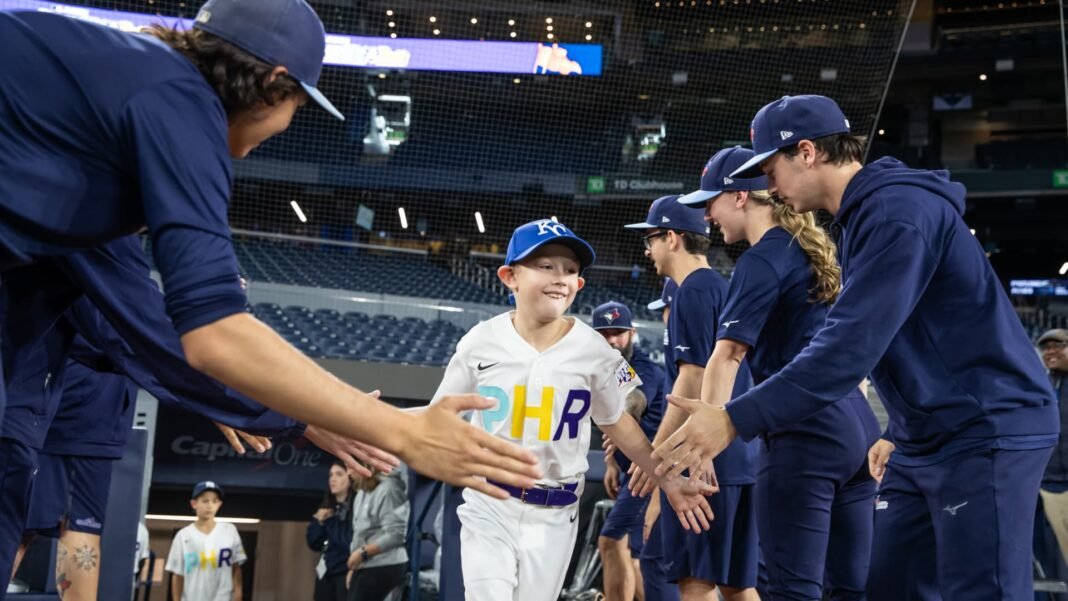
The influence of private equity firms on youth sports is growing rapidly,as these investors acquire companies that operate official programs linked to major professional leagues like the NFL,NBA,WNBA,MLS,NHL,and MLB. A prime example is Brand Velocity group (BVG), a private equity firm spearheaded by former New York Giants quarterback Eli Manning. BVG recently took ownership of RCX Sports, which manages licensing for prominent youth initiatives such as NFL Flag, Jr. NBA, Jr. WNBA, MLS GO, NHL Street Hockey League, and MLB Pitch Hit & Run.
RCX Sports employs around 150 people and generates revenue through the distribution of sports apparel and equipment while servicing community recreation centers nationwide. Although financial terms remain undisclosed, this acquisition involved a group of investors including celebrated athletes like Emmitt Smith and Larry Fitzgerald.
The Booming Market of youth Sports Participation
Youth sports attract millions globally each year; as a notable example,NFL Flag engages close to one million children worldwide according to RCX CEO Izell Reese. This extensive participation base creates steady income streams from seasonal registration fees while fostering strong emotional bonds among families involved in these programs.
Historically fragmented management systems have characterized youth sports-with numerous mobile apps and websites handling scheduling logistics, payment processing for league fees or gear purchases, plus communication between coaches and parents-resulting in operational inefficiencies.
Private Equity Driving Industry Consolidation
To address fragmentation issues and improve efficiency across the sector, private equity firms are consolidating smaller leagues and technology providers under unified platforms.this strategy reduces overlapping costs while expanding market presence through economies of scale.An illustrative case is Unrivaled Sports-a venture backed by high-profile investors Josh Harris and David Blitzer-that aims to integrate diverse youth sports assets into a streamlined portfolio poised for growth.
Tensions Between Profit Goals And Community Values
The surge in private equity involvement has raised concerns among parents coaches,and community leaders who fear that prioritizing profits might compromise program quality or increase costs over time.“Youth sports now represent a $45 billion industry dominated by investment firms focused primarily on maximizing returns frequently enough at families’ expense,” critics warn.
“The commercialization risks pricing out many families who want their kids to participate,” said an advocate concerned about rising fees associated with privatized youth leagues.”
This unease has spurred legislative proposals such as the “Let Kids Play Act,” which seeks to ban private equity investments within youth sporting organizations due to worries about exploitation risks faced by parents paying steep participation costs without guaranteed benefits for their children’s growth or enjoyment.
Eli Manning’s Commitment To Accessibility And Affordability
Manning stresses that BVG’s approach diverges from typical profit-driven models by focusing on responsible expansion combined with inclusivity across socioeconomic backgrounds:
“our goal is making programs accessible without imposing financial burdens on kids,” Manning explained.”Partnering closely with professional leagues helps us keep prices reasonable so more children can lead active lifestyles.”
A passionate advocate specifically for flag football-having coached his daughters’ teams-Manning envisions flag football evolving beyond an introductory sport into an established varsity option at high schools nationwide for both boys and girls alike rather than merely serving as a stepping stone toward tackle football participation.
The growing Popularity Of Girls’ Flag Football Nationwide
This push toward inclusivity aligns with recent developments such as New Jersey becoming the 18th state permitting girls’ flag football at the high school level-a trend reflecting increasing interest from female athletes seeking safer alternatives without sacrificing competitive opportunities or athletic recognition within their schools’ athletic departments.
Navigating Scheduling Challenges In Youth Football Seasons
A key challenge remains persuading traditional tackle coaches worried about losing top players if they switch exclusively to flag football; though offering flag during alternate seasons-such as spring rather of fall when tackle dominates-could ease conflicts.
Izell Reese highlights another benefit:
“Flag football extends playing opportunities beyond one season allowing kids who play tackle additional chances throughout year-round training while also welcoming those interested solely in non-contact play.”
Looking Ahead: Sustaining Growth while Upholding Core Values
The intersection where business interests fueled by private capital meet grassroots athletics presents both promising avenues for expansion alongside challenges related to preserving trust within communities served.Youth sports remain deeply embedded in family values where affordability paired with quality experiences must continue being prioritized despite shifting ownership structures behind them.