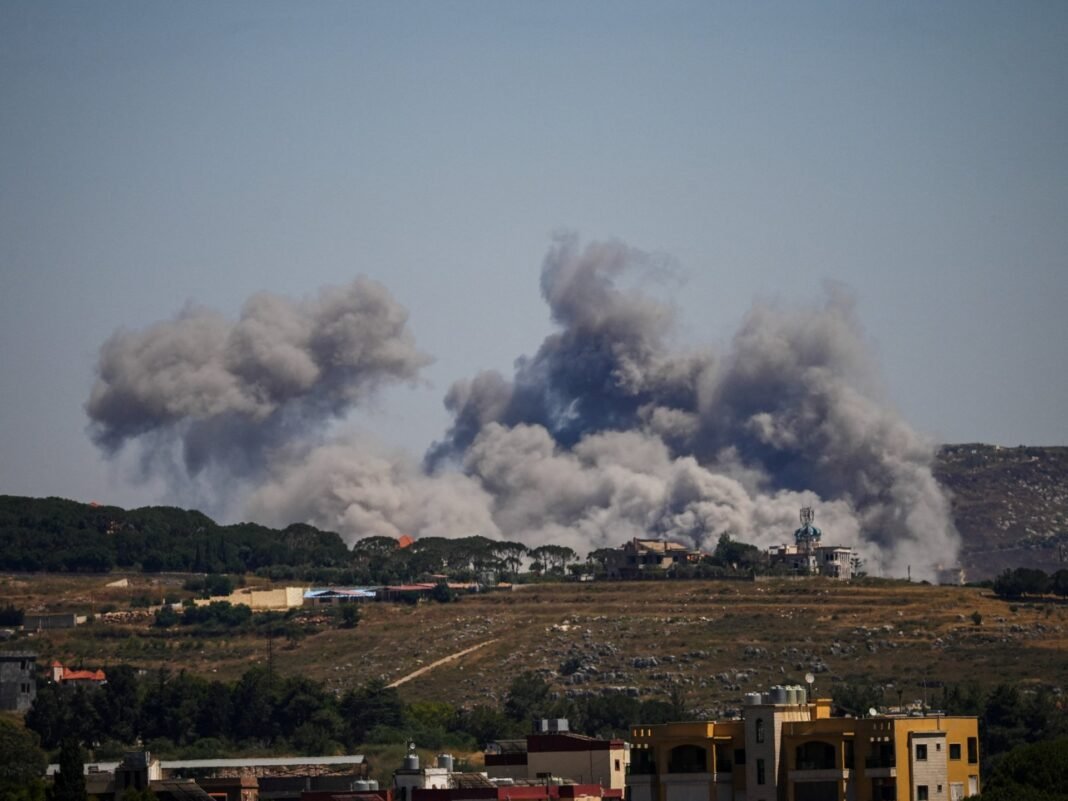
Persistent Turmoil in Lebanon Despite Ceasefire Attempts
Military actions by Israel continue across Lebanon amid a fragile ceasefire, while Hezbollah dismisses the agreement as ineffective, with casualties surpassing 3,500.
Escalating Violence and Humanitarian Toll
Although a US-brokered ceasefire was recently declared between Lebanese and Israeli representatives, Israeli airstrikes have relentlessly targeted multiple locations throughout Lebanon. This ongoing bombardment has deepened the humanitarian crisis, with Lebanon’s Ministry of Public health reporting over 3,526 fatalities and more than 10,700 injuries since early March.
The militant institution Hezbollah remains unyielding; its deputy leader Naim Qassem denounced the ceasefire as insincere and warned that northern Israeli territories will continue too face attacks if bombings persist.This defiant position casts significant doubt on any near-term de-escalation or peace prospects.
The Influence of Hezbollah and Regional Consequences
Hezbollah’s outright rejection of partial truces highlights its dominant role in shaping Lebanese resistance against israel. Experts observe that despite official government calls for dialog, Hezbollah largely controls decisions related to hostilities. Recent Israeli strikes targeting southern Lebanon and areas such as the western Bekaa Valley signal an intensifying conflict likely to worsen given Hezbollah’s uncompromising stance.
Obstacles to sustainable Peace
- No acceptance of limited agreements: Hezbollah insists on a complete halt to all hostilities alongside full Israeli withdrawal from Lebanese lands rather than accepting conditional or segmented ceasefires.
- Tensions remain elevated: Both parties accuse each other of breaching earlier ceasefires declared this year, complicating diplomatic efforts aimed at stabilizing the region.
Diplomatic Complexities: Iran’s Position and US Policy Challenges
An advisor close to Iran’s Supreme Leader expressed reservations about ongoing negotiations intended to resolve regional conflicts.Mohsen Rezaei pointed out unresolved ambiguities within draft agreements designed to end hostilities involving Iranian-backed factions. He criticized what he described as Washington’s coercive tactics pressuring Tehran into unfavorable terms while leaving Iranian demands vague.
This skepticism mirrors broader doubts within Washington regarding its approach toward Iran following claims by former President Trump about substantially degrading Iran’s nuclear capabilities through military means. Critics question why diplomatic talks persist if such objectives were truly achieved militarily-highlighting how prolonged conflict undermines assertions of success and complicates coherent policy formulation.
Beyond Lebanon-Israel: Broader Regional Unrest
Mina al-Fahal Oil Terminal explosion in Oman
A major disruption occurred at oman’s Mina al-Fahal crude oil terminal after an explosion near its single-buoy mooring berths-suspected drone activity according to unnamed sources forced suspension of loading operations at one of Oman’s vital energy hubs amid escalating regional tensions affecting global oil markets.
Tensions Within Israel: Ultra-Orthodox Opposition To Military Drafts
A large protest erupted when hundreds from Israel’s ultra-Orthodox community blocked Highway 1 opposing government enforcement measures mandating religious students’ conscription into military service. The demonstrations intensified after police detained two students linked with draft evasion efforts; authorities deployed substantial forces including border guards to clear roadblocks and restore order amid growing social unrest tied to national security policies.
The United States’ Stance on Engagement With Iran
The US administration maintains it can access Iranian enriched uranium reserves without formal agreements due to their secure containment status described metaphorically as “entombed.” While President Trump ruled out immediate direct meetings with Iran’s Supreme Leader Mojtaba Khamenei, he left open possibilities contingent upon future diplomatic breakthroughs-signaling cautious openness despite ongoing tensions.
“if circumstances change leading toward agreement… I would show respect,” remarked Trump regarding potential dialogue opportunities with Tehran’s leadership.
Synthesis: Navigating a Complex Path Toward Peace Amidst Deep Divisions
- The continuation of Israeli airstrikes despite announced ceasefires exacerbates civilian suffering in Lebanon where thousands have been killed or wounded;
- Hezbollah remains firmly opposed to partial truces without full withdrawal by Israel;
- Diplomatic negotiations face significant hurdles due both to ambiguous terms perceived by Iranian officials and skepticism within US political circles;
- Regional instability extends beyond direct combat zones-as seen in incidents like disruptions at Oman’s oil terminal impacting global energy supplies;
- Civil unrest inside Israel adds internal challenges during external conflicts;
- A sustainable resolution requires addressing entrenched mistrust among all involved parties alongside urgent humanitarian needs amidst escalating violence.