Rising Hostilities in the Gulf: Missile Attacks and Drone Interceptions Escalate
The US Central Command (CENTCOM) has disclosed that seven ballistic missiles were launched targeting Bahrain and Kuwait, following the interception of four Iranian drones en route to the Strait of Hormuz. These aggressive maneuvers underscore intensifying tensions amid stalled diplomatic talks between Washington and Tehran.
Chronology of Recent Military Actions
On a fraught Friday evening, CENTCOM reported successfully intercepting six out of seven ballistic missiles aimed at Gulf allies, with the seventh missile failing to reach its target. these missile strikes occurred mere hours after US forces neutralized four iranian attack drones approaching one of the world’s most critical maritime chokepoints.
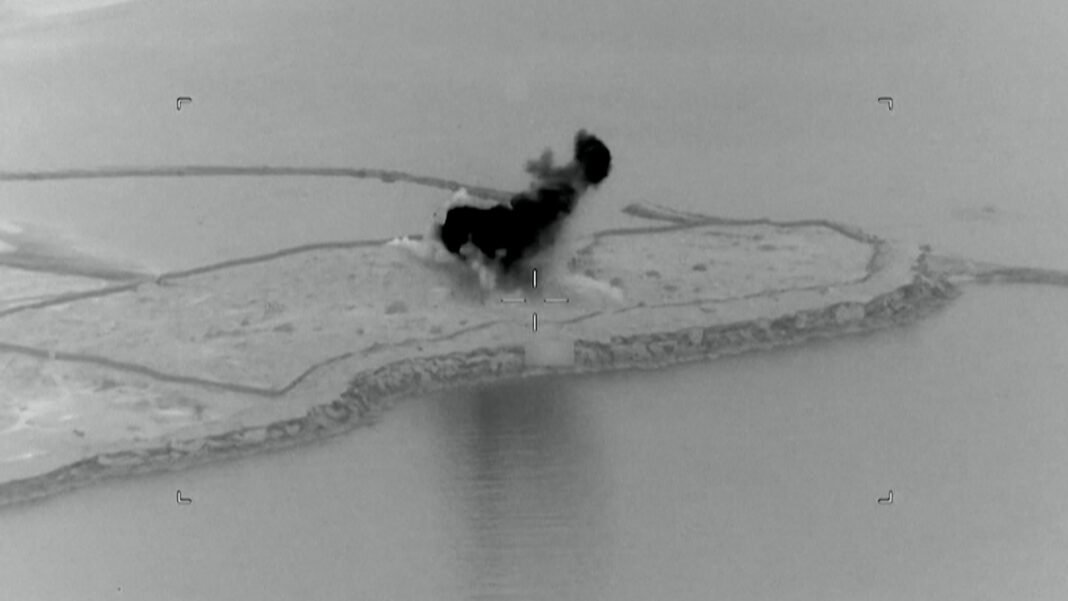
In retaliation, American military units launched precision strikes against Iranian coastal radar installations situated in Goruk and on Qeshm Island. These operations sought to degrade Iran’s surveillance capabilities over vital shipping lanes.
Iranian Response and Claims of Retaliation
The Islamic Revolutionary Guard Corps (IRGC) took responsibility for attacks on US military bases within the region as payback for previous American actions. They also reported firing upon four oil tankers navigating through increasingly contested waters near Hormuz, signaling a heightened risk to commercial shipping.
Diplomatic Deadlock Amid Heightened Conflict
The United states and Iran remain locked in indirect negotiations aiming for an interim ceasefire; though, significant disagreements persist. Tehran demands sanctions relief, access to frozen overseas assets, and lifting blockades affecting its ports. Meanwhile, Washington insists on unimpeded navigation through the Strait of Hormuz alongside guarantees concerning Iran’s nuclear program activities.
“The IRGC warned that recent confrontations began when several oil tankers backed by Washington attempted uncoordinated transits through Hormuz,” noted analysts monitoring Tehran’s stance. “This triggered retaliatory measures indicating any aggressive moves by the US will be met with swift force.”
Escalating Violence Spills Over into Lebanon
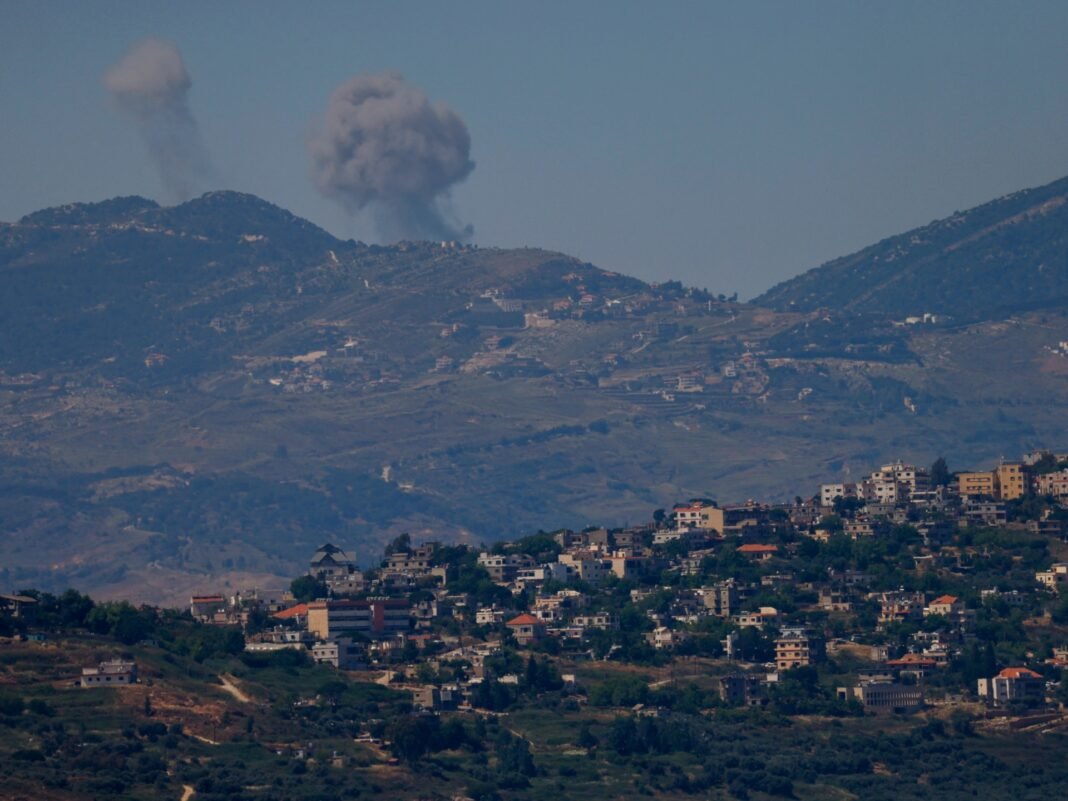
While tensions soar between Washington and Tehran across Gulf waters, southern Lebanon continues experiencing violence as Israeli airstrikes target Hezbollah militants amid ongoing clashes.
The lebanese army confirmed multiple casualties after an Israeli strike hit a military vehicle along a strategic route connecting Khardali to Nabatieh early Saturday morning. Traditionally cautious about direct engagement in this volatile zone,Lebanon’s armed forces have largely avoided confronting either Hezbollah or Israel during this latest escalation.
The Wider Regional Dynamics at Play
This surge follows months during which Hezbollah has openly aligned itself with iran’s regional ambitions since March 2024.Recently dismissed claims from Lebanese leadership suggested Beirut was being leveraged by Tehran during nuclear negotiations-a notion firmly rejected by Iranian officials who urged lebanon’s government to prioritize internal affairs over external accusations.
Naim Qassem, deputy leader of Hezbollah, rejected a recent US-brokered ceasefire proposal between Israel and Lebanon because it excluded his group entirely while failing to demand Israeli withdrawal from southern Lebanese territory-highlighting persistent obstacles toward peace within this fragile corridor.
Navigating Security Risks Along Crucial Maritime Routes
- The Strait of hormuz: Facilitates nearly 20% of global oil shipments annually; disruptions here ripple worldwide impacting fuel markets considerably;
- Kuwait & Bahrain: Vital US allies hosting key military installations vulnerable amidst ongoing missile threats;
- Iranian Coastal Radar Systems: Targeted sites aim at controlling maritime traffic but also raise stakes for further escalation;
- Drones & Ballistic Missiles: Advanced technologies intensify asymmetric warfare tactics complicating customary defense strategies;
A Global Flashpoint With Far-Reaching Implications
This evolving crisis highlights how precarious regional stability remains despite years-long diplomatic efforts-and why international actors vigilantly track developments around these contested waterways where geopolitical rivalries intersect crucial economic interests worldwide.