U.S. Airline Industry’s Merger Landscape: Insights from Top Executives
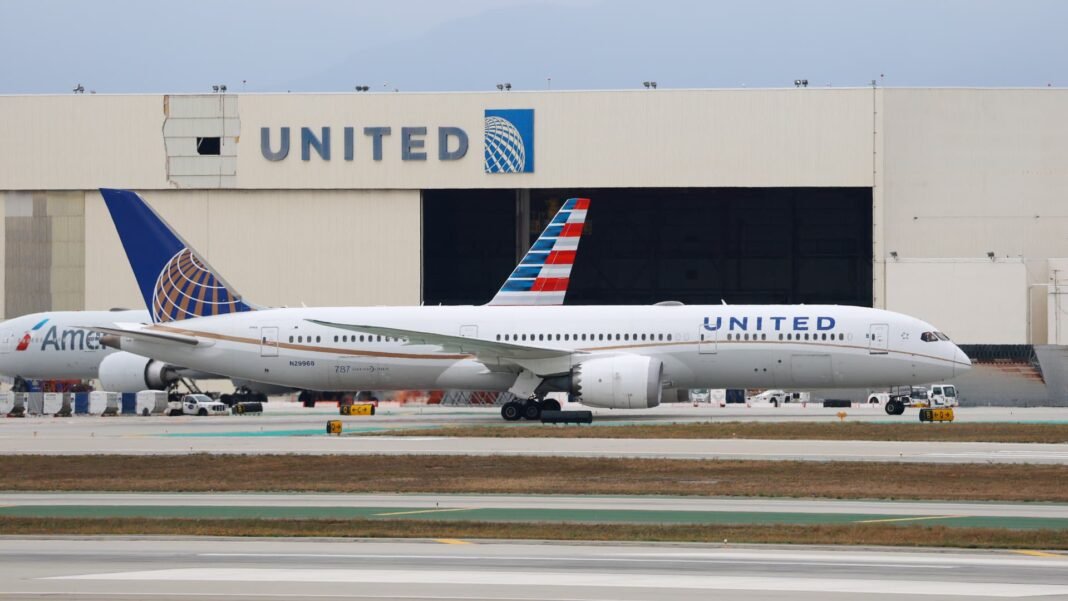
United airlines CEO Dismisses Further Merger Prospects
Scott Kirby, the chief executive of United Airlines, has firmly stated that he does not anticipate any new mergers within the American airline sector in the near future. After American Airlines declined a merger proposal earlier this year, Kirby underscored that United is not interested in deals solely for expansion purposes.
addressing attendees at a major aviation conference, Kirby remarked, “We won’t pursue mergers just for the sake of merging.”
The Complexities Surrounding Airline Consolidations Today
The recent consolidation activities-such as allegiant’s purchase of Sun Country and Alaska airlines’ integration wiht Hawaiian airlines-have altered segments of the market landscape.Still, Kirby remains cautious about additional combinations occurring soon.
“Mergers have become increasingly challenging,” he noted. “Having been deeply involved in previous U.S. airline consolidations, I can confirm these transactions are intricate and should only proceed when there is clear economic justification.”
Navigating Regulatory and Stakeholder Obstacles
Merging two large carriers demands consensus among diverse groups including labor unions, customers, shareholders, regulatory bodies, and executive teams. Kirby highlighted these multifaceted hurdles while reflecting on a potential union with American Airlines-a company where he once held an executive position.
“A successful merger requires unanimous backing from all stakeholders,” said Kirby. “Without full agreement from American’s leadership-which we currently do not have-the deal cannot advance.”
No Acquisition Plans for JetBlue Despite Strategic Alliance
Although united recently entered into a strategic partnership with JetBlue Airways too enhance competition on key routes such as New York JFK airport operations, it has no plans to acquire its partner outright.
Delta Air Lines Prioritizes Global Alliances Over Domestic Mergers
Peter Carter, President of Delta Air Lines, echoed similar views regarding consolidation hesitancy by emphasizing Delta’s focus on expanding international partnerships rather than pursuing domestic mergers or acquisitions.
Carter pointed out that with over 900 million passengers flying annually within U.S. borders-a figure that reflects market maturity-the primary growth opportunities now lie overseas.
“Our approach centers on strengthening alliances across South Korea, Mexico and Europe,” Carter explained.
He also highlighted ambitions to challenge United aggressively along trans-Pacific routes where passenger demand grows roughly 5% each year.
The Pivot Toward international Growth Amid Domestic Market Saturation
- The U.S. domestic aviation market has stabilized after decades of rapid expansion; projections indicate modest annual growth rates between 1-2% through 2030.
- This plateau encourages airlines like Delta and United to allocate resources toward broadening their global networks instead of focusing on local competitor consolidation.
- An example includes Delta’s recent joint ventures enhancing connectivity between North America and Asia-Pacific regions-markets anticipated to expand by more than 6% annually according to industry forecasts.
A New Direction for U.S. carriers: Embracing Partnerships Over Mergers
Taken together, insights from leading executives reveal an industry trend moving away from aggressive merger activity toward fostering strategic partnerships and alliances aimed at sustainable development amid complex regulations and shifting market conditions.