Persistent Ebola Outbreak in the Democratic Republic of the Congo: Challenges and Progress
The Democratic Republic of the Congo (DRC) is currently facing its 17th Ebola outbreak since the virus was first discovered in 1976.The situation remains critical, with confirmed fatalities surpassing 100 and a sudden spike of 35 new infections reported within just one day. This alarming increase underscores ongoing difficulties, especially due to armed groups obstructing health initiatives in Ituri province.
Geographical Distribution and Current Case Numbers
Across several provinces, confirmed Ebola cases have now reached approximately 550. the epidemic predominantly impacts Ituri, North Kivu, and South Kivu-regions long affected by conflict and instability.These areas are home to over 120 armed factions engaged in ethnic clashes, political rivalries, corruption issues, and disputes over valuable natural resources such as coltan and gold.
health officials have identified new infections emerging from seventeen health zones within Ituri alone,along with seven zones in North Kivu and one zone in South Kivu. Despite persistent violence restricting humanitarian access-especially near Djugu, Irumu, and Mambasa-the provincial capital Bunia has remained relatively secure for response teams.
The Impact of Armed Conflict on Health Interventions
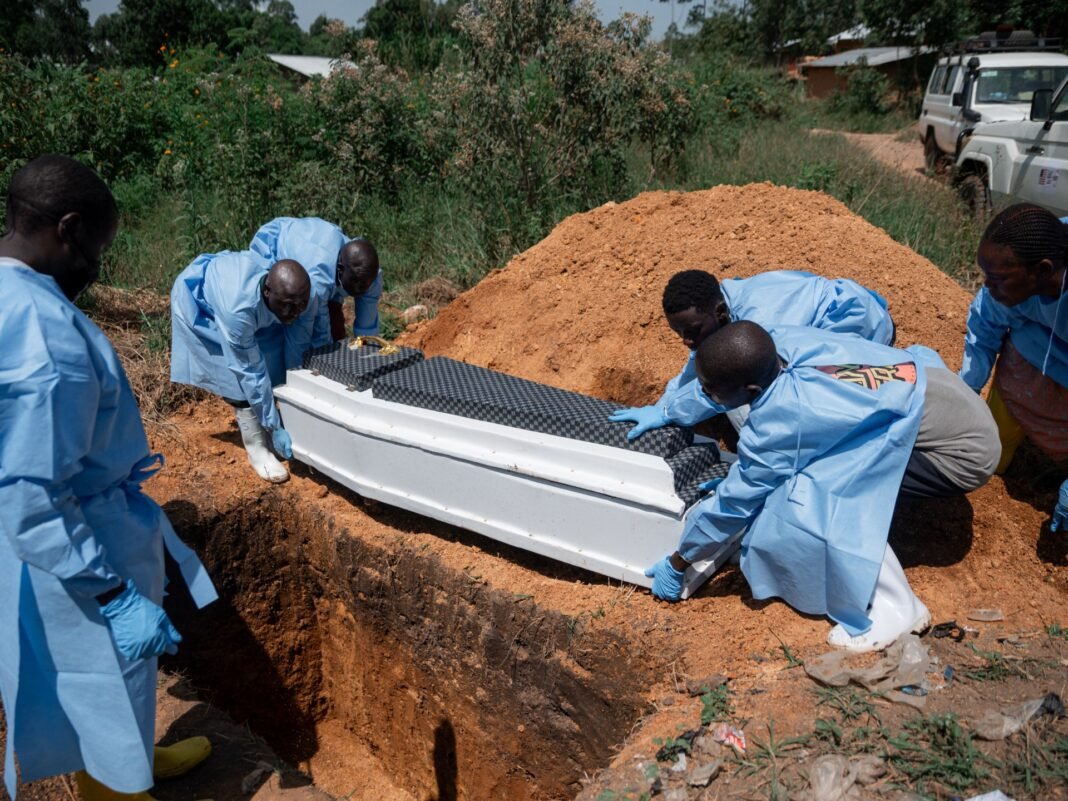
The presence of militant groups severely hampers efforts to contain the outbreak. As an example, burial teams responsible for safely managing deceased patients have been targeted; recently at Nyamurongo cemetery near Bunia two responders sustained serious injuries during an attack that also damaged vehicles. such violent incidents deepen mistrust among local populations toward medical personnel.
Ebola virus Variant Involved & Vaccine Progress Challenges
This outbreak is caused by the Bundibugyo strain of Ebola virus-a variant first identified less than twenty years ago in western Uganda-and has only been linked to three outbreaks globally so far. Unlike the more notorious Zaire strain responsible for West Africa’s catastrophic epidemic between 2013-2016 that claimed over 11,300 lives, no approved vaccine or treatment currently exists for Bundibugyo.
Two experimental vaccines targeting this strain are under development but remain untested on humans due to insufficient data regarding their safety and effectiveness profiles.
Cross-Border Transmission Risks Affecting Neighboring Countries
Uganda has reported nineteen cases connected mainly to Congolese nationals crossing its borders; two deaths have occurred there as well. One case involved a Congolese traveler who passed thru the United Arab Emirates before entering Uganda-a travel route prompting countries including UAE and Mauritius to impose restrictions on arrivals from DRC-affected regions such as Uganda and South Sudan.
In response to these cross-border concerns, Uganda temporarily closed its border with DRC; though international health experts warn that broad travel bans frequently enough hinder aid delivery without significantly curbing disease spread.“A balanced approach prioritizing both security measures alongside humanitarian access is essential,” emphasized global health authorities following field assessments.
Sociopolitical factors Amplifying Public Health Threats
The region’s status as a major mining center fuels population movement which increases risks that Ebola could extend beyond current hotspots into other parts of Central Africa or even internationally if left unchecked. With more than 100 million residents living within DRC’s borders, controlling transmission remains an urgent challenge amid complex socio-political dynamics undermining coordinated responses across provinces affected by conflict.