Former Airline Captain Charged for Flying Without Proper Certification
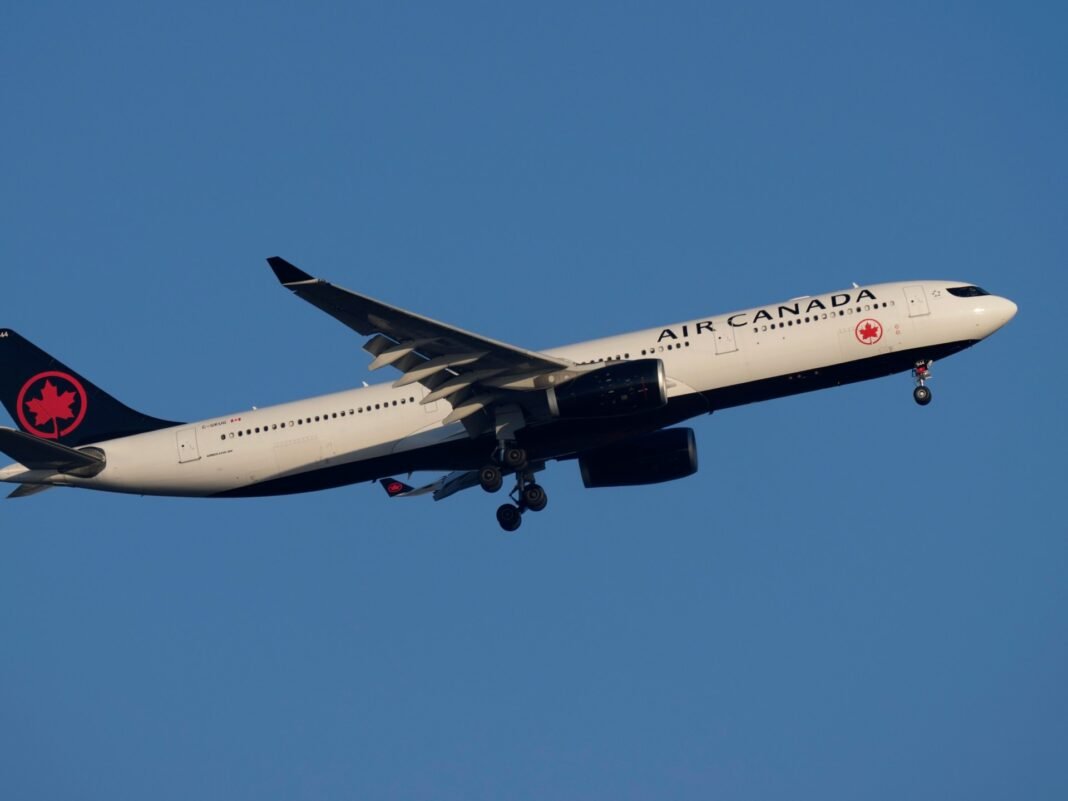
A Canadian ex-pilot has been arrested after allegedly operating more than 900 flights over nearly twenty years without holding the required qualifications.
Inquiry Uncovers Extensive Unauthorized Flight Activity
Peel, Ontario authorities revealed that Geoffrey Wall, a 59-year-old former Air Canada captain, faces several charges including fraud following a detailed four-month investigation. Officials found that from 2009 to 2025, Wall piloted both domestic and international routes using forged pilot credentials.
Even though Wall held a valid commercial pilot license, he did not possess the mandatory airline transport pilot license (ATPL), which is the highest certification necessary to command commercial aircraft. This critical gap in licensing went unnoticed by both Air Canada and Canadian aviation regulators until recently.
Charges Filed Against Geoffrey Wall
- Fraud
- Two counts of presenting forged documents
- Three counts involving counterfeit trademarks
- A charge of public mischief
The Ramifications for passenger safety and Industry Reaction
The Peel Regional Police Chief stressed the seriousness of this case, noting its potential impact on public trust in aviation safety. “This situation raises alarming questions as it implies hundreds of thousands of travelers may have been exposed to risk during over 900 flights,” stated Chief Nishan Duraiappah.
Despite these serious allegations, Air Canada insists that passenger safety was never jeopardized. The airline highlighted its stringent training regimen requiring pilots to pass biannual competency tests along with annual flight evaluations conducted by certified examiners.An internal review after uncovering this issue confirmed no other pilots lacked proper licensing credentials.
“Wall consistently fulfilled or exceeded all required training standards,” an Air Canada representative said. “Once these discrepancies came to light, we immediately suspended him and reported the matter voluntarily to Transport Canada.”
Aviation Specialist Discusses Regulatory Challenges Exposed by Case
Anita Reynolds, director at a leading US-based aviation safety institute, described this incident as highly unusual within commercial flight operations.
“if verified, this case reveals not only unauthorized piloting but also significant weaknesses in license verification systems that allowed fraudulent documents to go undetected for years,” Reynolds noted.
The expert added that while passengers might not have faced direct danger due to Wall’s proven competence during routine assessments, the fundamental failure lies within regulatory oversight designed to maintain confidence across global air travel networks.
The Wider Implications for Aviation Credentialing Systems
- This event highlights vulnerabilities in worldwide credential validation processes.
- Pilot licenses are essential safeguards ensuring only qualified individuals operate complex aircraft under strict conditions.
- Aviation authorities may need advanced auditing technologies such as blockchain or AI-powered identity verification tools moving forward.
Towards Enhanced Compliance Monitoring in Aviation?
This unprecedented situation serves as a stark reminder about potential blind spots even among top-tier airlines with strong compliance cultures. It underscores how ongoing improvements-beyond regular training-are crucial thru reinforced regulatory enforcement measures aimed at preserving passenger confidence amid evolving challenges facing global air transportation today.