How the Contracting Car Market Is Shaping New and Used Vehicle Buyers’ Experiences
The U.S. automotive landscape continues to feel the long-lasting effects of the Covid-19 pandemic,with vehicle prices climbing even for models over ten years old. This persistent upheaval has fundamentally altered both new and used car markets in notable ways.
production Shortfalls and Their Widespread Consequences
Between 2020 and 2023, American auto manufacturers produced nearly 7.5 million fewer vehicles than expected due to factory closures and ongoing supply chain disruptions. in response, automakers shifted focus toward higher-profit segments like premium SUVs and pickup trucks-a strategy that remains dominant today.
this constrained output has created a bottleneck impacting inventory across all categories, including older used cars, driving prices upward throughout the market.
“Supply limitations are projected to continue for at least three more years unless there is a significant economic turnaround,” industry experts warn.
Current Sales Patterns: Recovery without Return to Peak Levels
In 2025, U.S.auto sales rebounded to approximately 16.2 million units-an advancement from the pandemic low of 13.8 million in 2022 but still trailing behind historic highs such as the record-setting 17.55 million sold in 2016.
Projections for 2026 estimate sales between about 15.8 million (according to Cox Automotive) and roughly 16.3 million (per JD Power), signaling continued subdued demand relative to pre-pandemic figures.
The industry effectively lost close to one year’s worth of vehicle volume since its peak six years ago-nearly half attributable directly or indirectly to Covid-related disruptions-highlighting how cyclical trends combined with recent shocks have reshaped consumer buying behavior.
The Chain Reaction Affecting Used vehicle Availability
A new car sale sets off a complex sequence akin to a row of falling dominoes: it leads eventually through trade-ins, lease returns, and finally replenishes used car inventories on dealership lots or private markets.
With fewer new vehicles entering this cycle recently, there are correspondingly fewer off-lease cars returning as affordable options-a key source feeding used vehicle supply-and this scarcity pushes prices higher across all age groups within pre-owned segments.
Evolving Leasing Trends Coupled With Reduced Incentives
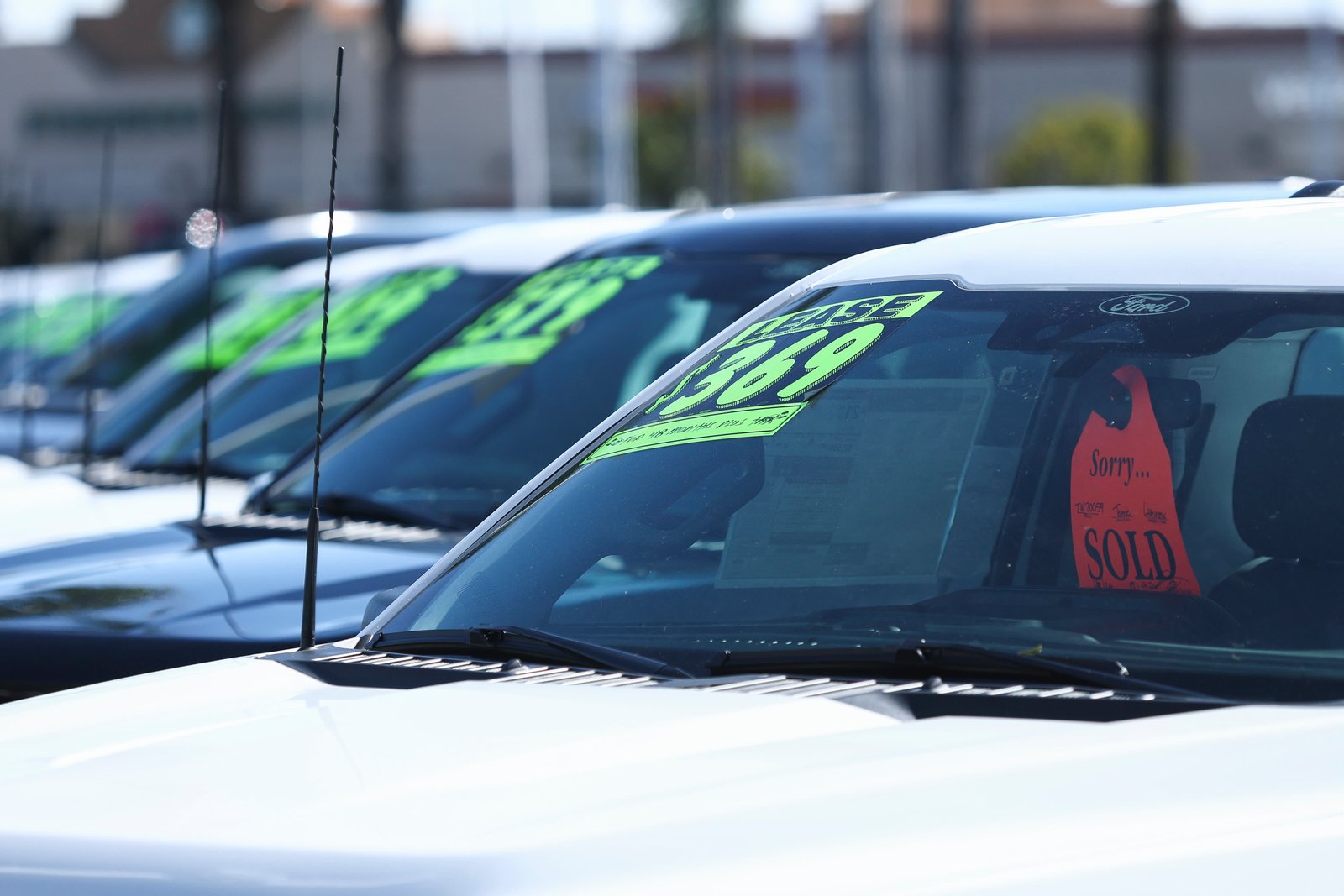
Tightened production chains have compelled automakers to scale back leasing programs significantly; where leases onc accounted for nearly one-third of new vehicle transactions before Covid-19, by late 2022 that share had dropped below one-fifth nationwide.
This decline partly results from manufacturers prioritizing more profitable trims such as trucks and SUVs-which generally see less lease activity due to their higher upfront costs-and also becuase leasing involves additional expenses related to managing returns amid limited inventory availability that companies now seek to minimize.
The Changing Landscape of Incentive Offers
- Before the pandemic: Average incentives hovered near 9.5%, substantially lowering effective purchase prices;
- During pandemic peaks: Discounts shrank sharply as demand outstripped supply;
- Todays’ environment (2026): Incentives have partially recovered but remain modest at around 6.5%-7%, varying widely by brand and model;
The Buyer’s Reality: Elevated Prices Amid economic Headwinds
A combination of scarce inventory plus reduced manufacturer incentives means used car values stay high despite broader economic challenges like inflationary pressures, rising fuel costs averaging $4 per gallon nationally in mid-2024, and wage growth lagging behind escalating vehicle prices themselves.
“while median household income hovers near $80,000 nationally,” analysts note “the typical buyer able comfortably afford a brand-new vehicle earns well over $150,000 annually.”
This income gap forces many consumers toward older or lower-cost vehicles than preferred; data reveals increased interest even in nine-to-ten-year-old cars-a segment traditionally less competitive-underscoring affordability concerns pushing buyers further downmarket than usual.
An Increasing Shift Toward Older Vehicles Highlights Market Pressures
- Younger buyers increasingly choose decade-old models primarily due to budget constraints;
- This shift creates unusual pricing pressure on lower-tier vehicles previously insulated from sharp value increases;
- Sellers benefit from sustained strong resale values among aging fleets because overall scarcity keeps competition intense among buyers seeking reliable transportation without premium price tags;
Navigating Today’s Auto Market: Essential Insights for Buyers
The current marketplace demands patience from prospective purchasers facing historically tight supplies alongside rising costs across both new and used categories alike.
Understanding these evolving dynamics can empower consumers with better timing strategies or alternative financing approaches amid ongoing volatility.
As production slowly recovers yet remains below historical norms-and with leasing practices shifting away from previous patterns-the ripple effects will continue influencing pricing trends well into the mid-2020s.Buyers willingto look beyond immediate needs may find opportunities through certified pre-owned programs or by broadening geographic search areas where local inventory imbalances vary significantly.
Ultimately,the shrinking size of America’s auto market squeezes all buyers-from bargain hunters seeking older rides up through customers pursuing fresh wheels-with no quick resolution anticipated anytime soon.