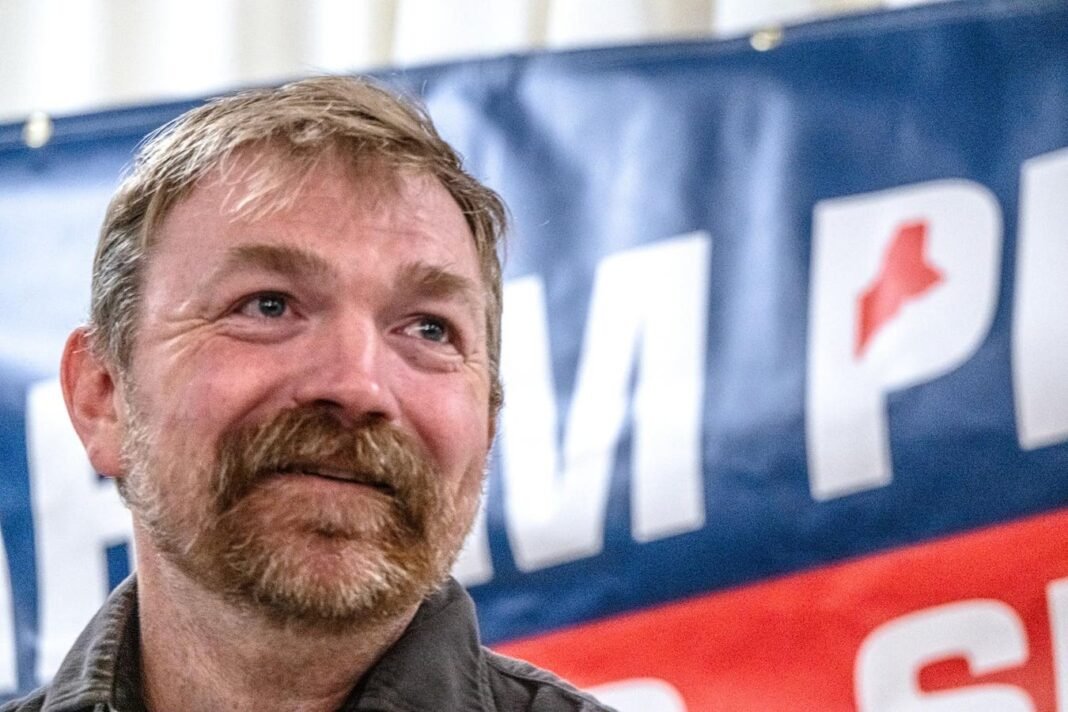
Maine Senate Contest: Evaluating Graham Platner’s Journey Amid Controversies
Democratic Primary Results and Voter Trends
Graham Platner secured roughly 75% of the vote in the Maine Senate Democratic primary,effectively facing minimal opposition. Despite this commanding lead, recent allegations regarding his interactions with women have introduced uncertainty about Democrats’ chances to flip this critical seat in November’s general election.
Primary Campaign Developments and Voter Behavior Insights
after Governor Janet Mills ceased active campaigning in April, Platner encountered no formidable challengers within the Democratic field. Nonetheless,Mills remained on the ballot and garnered close to 19% of votes despite her campaign pause.In light of mounting scrutiny over Platner’s personal controversies, Mills clarified that she had not officially withdrawn but only suspended her campaign activities.
Forecasting the General Election Battle
The upcoming contest will pit Platner against incumbent Republican Senator Susan Collins, who also ran unopposed in her party’s primary. Before these recent allegations surfaced, polls suggested a tight race; for example, a University of New Hampshire poll from late May showed Platner leading Collins 51% to 42%. However, public opinion may shift as voters digest new details ahead of election day.
Fluctuating Odds Reflected by Betting Markets
On primary day afternoon (3 p.m. EDT), betting platforms such as Kalshi assigned Platner a 58% probability of defeating Collins-a drop from his peak odds near 73% earlier this spring but an enhancement compared to moments when he was considered an underdog.These changes highlight how emerging controversies can swiftly influence electoral predictions.
The Importance of This Race for Senate Majority Control
The Democratic party needs four additional seats nationwide to regain control of the U.S. Senate after narrowly missing out in previous cycles. The race for Collins’ seat is among three highly competitive contests rated toss-ups by political analysts like Cook Political Report-making it crucial for Democrats aiming at majority status entering 2027.
A Closer Examination: Graham Platner’s Background and Campaign Message
A former military servicemember turned oyster farmer before launching his political career last August, Platner has branded himself as a champion for working-class Americans confronting entrenched wealth and political elites alike. His grassroots appeal earned early endorsements from progressive leaders including Senator Bernie Sanders and Representative Ro Khanna.
Recent Allegations Affecting Campaign Momentum
- Claims Regarding Personal Conduct: Multiple women have come forward accusing him of toxic behavior during past relationships; some describe episodes marked by emotional volatility while others dispute these accounts entirely.
- Tattoo Dispute: One ex-partner alleged that a tattoo on his chest resembled Nazi symbolism-a claim he denies having recognized until recently-and which he has since covered up.
- Candid Public Response: In interviews addressing these issues openly for the first time, Platner admitted struggling with alcohol use following overseas combat service and accepted responsibility for mistakes made during tough periods in his life.
A Parallel From Another Political Arena
This situation mirrors challenges faced by other candidates nationwide who confronted personal scandals mid-campaign yet retained voter support through transparency or shifting public focus-as an example, Ohio’s gubernatorial race where similar allegations tested candidate resilience without decisively ending their campaigns.
“Balancing personal controversy with sustained political viability remains one of modern democracy’s most intricate challenges.”
The Path Forward: Key factors To Watch Closely
- Pertinent Poll Shifts: Monitoring changes after allegation disclosures will reveal whether voters prioritize policy positions over personal history or vice versa;
- Mills’ Ballot Presence Impact: Although inactive officially,Mills’ name on ballots coudl siphon votes affecting overall results;
- Susan Collins’ Electoral Strategy: As a seasoned five-term senator known for moderate stances appealing across party lines,she may leverage any perceived vulnerabilities;
- Maine Electorate Priorities: Local concerns such as fisheries sustainability,rural healthcare access,and economic development remain pivotal issues shaping voter decisions beyond headline controversies;
This contest exemplifies how unforeseen developments can reshape electoral landscapes even when initial conditions suggest predictability-underscoring why staying informed with current data is vital ahead of November’s decisive vote.