Advancements and Challenges in Surveillance, Security, and Privacy Technologies
The integration of cutting-edge surveillance tools and artificial intelligence is accelerating across multiple industries globally. From wearable devices featuring biometric recognition to significant data leaks at major venues, thes technological strides prompt vital discussions about privacy protection, security measures, and ethical boundaries.
Meta’s Advancement of Military-Grade Facial Recognition for Wearables
Meta is exploring the incorporation of facial recognition software created by Rank One, a company known for supplying technology to U.S. defense and law enforcement sectors. This system is being tested for use in Meta’s smart glasses. Previously discovered dormant code within the associated app suggested potential activation of facial recognition capabilities; however, this code has since been removed.
The Rising Role of AI in cybersecurity Vulnerability Detection
Concurrently, AI firms such as Anthropic have faced regulatory pressures leading to the withdrawal of advanced models like Claude Fable 5 amid safety concerns from authorities. Experts highlight that sophisticated AI capable of identifying software weaknesses-and even generating exploit tools-is becoming more prevalent worldwide. This trend emphasizes an urgent need for enhanced cybersecurity policies and frameworks.
Data Breach at Madison Square Garden Exposes Sensitive Information Amid Celebrations
The hacking collective ShinyHunters recently leaked around 45GB of confidential data from Madison Square Garden (MSG), home arena to the New York Knicks basketball team. The breach compromised millions of records containing private customer details and also information on players and coaching staff shortly after the Knicks won their frist NBA title since 1973.
- The exposed documents reportedly include detailed rosters listing Knicks personnel.
- This attack follows ShinyHunters’ previous intrusions into prominent organizations such as Instructure-disrupting thousands of educational institutions-and Kodak’s imaging division.
An internal email found within the stolen MSG files revealed employee concerns over extensive use of facial recognition technology throughout the venue-a practice previously documented as part of MSG’s thorough surveillance setup. following this disclosure, a federal class-action lawsuit was filed addressing privacy violations related to this incident.
LGBTQ+ Establishments Adopt Facial Scanning Systems to Strengthen Safety Measures
In San Francisco’s Castro district-a landmark LGBTQ+ neighborhood-several bars have implemented Patronscan’s facial scanning technology at entrances to verify identities and monitor patron conduct. This system collects biometric data including photographs, names, and gender information while allowing staff members to flag individuals involved in incidents such as theft or altercations.
- The flagged profiles are shared across a “safety network” accessible by other venues using Patronscan’s platform.
This interconnected surveillance approach aims at enhancing security but raises significant privacy concerns among marginalized communities historically vulnerable to discrimination through invasive monitoring practices.
France champions European Move Away from U.S.-Based Surveillance Software
A growing wave across Europe favors replacing American tech products due to apprehensions about foreign surveillance risks. France’s domestic intelligence agency DGSI announced plans to retire Palantir’s analytics tools in favor of solutions developed by French firm ChapsVision.
“We must build our own AI capabilities rather of relying on external technologies,” stated French Prime Minister Sébastien Lecornu emphasizing national sovereignty priorities.
- This shift aligns wiht broader European initiatives including Germany’s Federal Office for Protection (BfV) adopting ChapsVision last month rather of Palantir software.
- France has also heavily invested in open-source alternatives replacing widely used platforms like Zoom and Microsoft Office within government institutions.
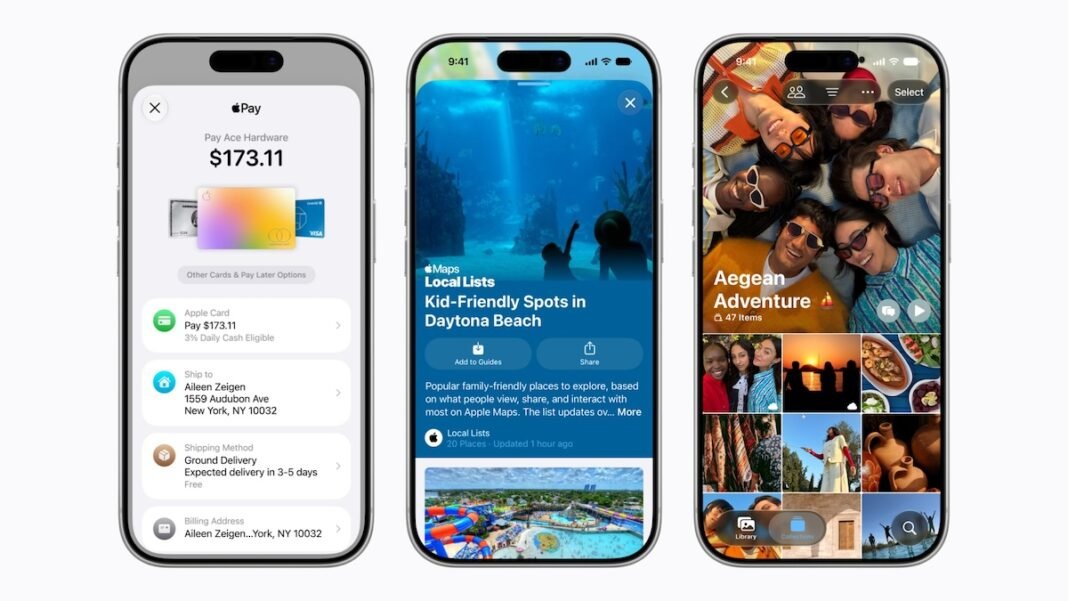
Apple Updates ‘Hide My email’ service with New Domain Extension Enhancing User Anonymity
Apple is modifying its popular ‘Hide My Email’ feature-which generates randomized email addresses protecting user anonymity during website or app registrations-by introducing @private.icloud.com domains alongside existing @icloud.com addresses.
This update aims at improving clarity regarding alias usage patterns; however it may inadvertently facilitate companies detecting these aliases more easily ,perhaps leading them to request choice contact methods that coudl undermine user privacy further.
A Positive Example: Public Access Through Traffic Cameras During Citywide Celebrations
An encouraging instance involves global audiences viewing live streams from traffic cameras during New York City parades celebrating sports victories-illustrating how existing surveillance infrastructure can be creatively repurposed without infringing individual freedoms or privacy rights.
Navigating Technology’s Expanding role Within Society: Future Perspectives
The swift adoption combined with evolving face recognition systems powered by advanced AI presents both promising opportunities and complex challenges affecting social environments-from bolstering public safety networks to exposing vulnerabilities through cyberattacks targeting renowned institutions worldwide.
as geopolitical tensions prompt governments toward reducing dependence on foreign technologies,
and corporations refine privacy features under mounting scrutiny,
stakeholders must carefully balance innovation against ethical responsibilities.
- Diverse sectors-from entertainment venues implementing biometric access controls
to intelligence agencies developing indigenous artificial intelligence solutions-demonstrate wide-ranging applications shaping contemporary life today. - Civic awareness regarding potential misuse alongside technological benefits will influence future policy decisions globally.
This dynamic landscape requires vigilance among users seeking secure digital experiences while advocating responsible deployment aligned with human rights principles internationally.
Remaining informed about ongoing transformations impacting security protocols,
privacy safeguards,
and societal norms surrounding emerging digital technologies remains essential today.