China Enforces Export Controls on US Companies Amid Escalating Trade Disputes
In a significant intensification of trade conflicts, China has added 10 American firms to its export control list and restricted government procurement from nearly 50 US-based corporations. This development follows closely after the Pentagon blacklisted several major Chinese companies for their alleged ties to China’s military sector.
Scope and Impact of China’s Export Control Policies
The Chinese Ministry of Commerce announced that domestic companies are now prohibited from exporting “dual-use” products-those wiht both civilian and military applications-to the designated US firms. This restriction extends globally,forbidding foreign individuals or organizations from transferring such dual-use goods originating in China to these listed entities. All current export activities involving these items must cease immediately.
this policy is justified as a safeguard for national security interests and adherence to international non-proliferation agreements.
US Firms Affected by the Export Ban
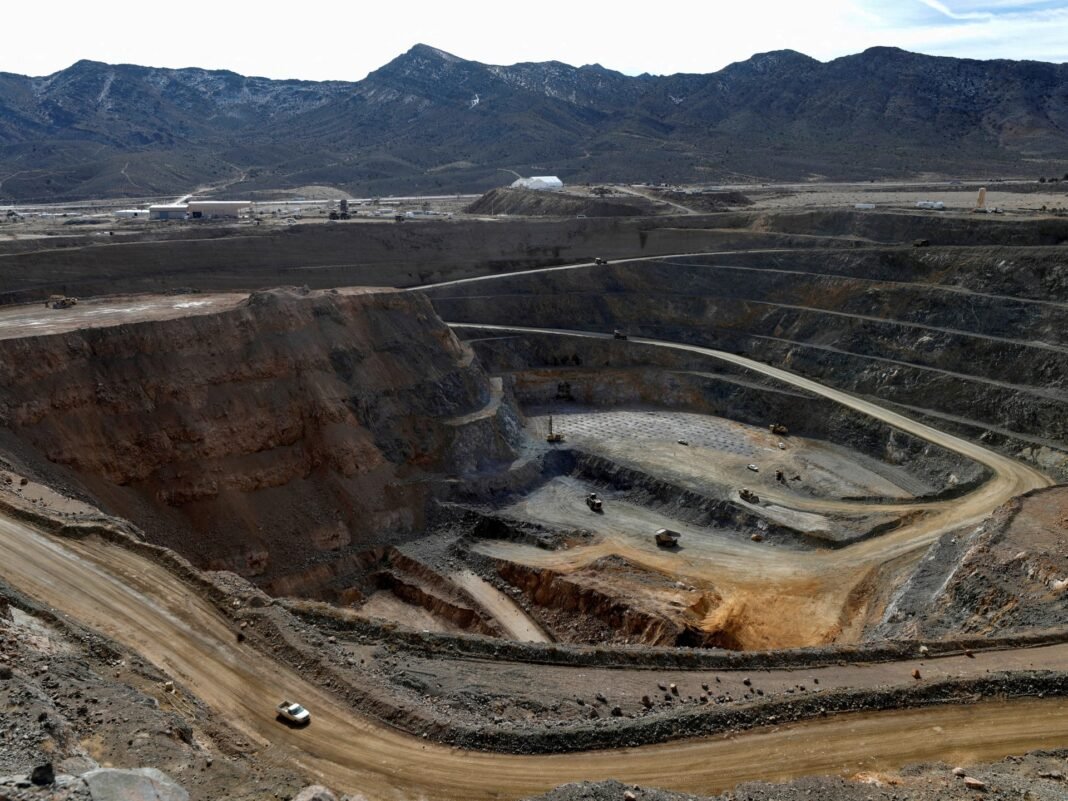
the restricted roster includes critical players like MP materials Corp, which manages rare-earth mineral extraction essential for advanced manufacturing technologies, USA Rare Earths known for producing specialized magnets, alongside defense contractors engaged in aerospace engineering, drone technology, synthetic-aperture radar systems, shipbuilding, and repair operations.
Government Procurement Restrictions Heighten Pressure on US Businesses
In parallel actions, China’s Ministry of Finance has prohibited government agencies from purchasing goods or services from 46 American companies. Among those impacted are subsidiaries affiliated with defense giants such as Lockheed Martin, Boeing, General atomics, and General Dynamics.However, US-invested enterprises registered within china remain exempted from this ban.
A Tit-for-Tat Response Following Pentagon Blacklisting
This series of restrictions is widely interpreted as Beijing’s countermeasure after the Pentagon’s declaration earlier this year that placed roughly 80 Chinese firms-including well-known names like Alibaba (e-commerce), Baidu (search engine), and BYD (electric vehicles)-on its list identifying “Chinese Military Companies Operating in the United States.”
This designation indicates these companies are either controlled by or significantly contribute to China’s military expansion despite their commercial operations-a concept referred to as “military-civil fusion.”
While this blacklist does not outright ban American businesses from dealing with these Chinese entities at present, it complicates future supply chains considerably-especially affecting US defense contractors dependent on advanced technologies sourced through them.
expert perspectives: Strategic Consequences & Enforcement Complexities
Trade experts regard China’s measures largely symbolic but reflective of an escalating tit-for-tat pattern between Washington and Beijing. Analysts note that such reciprocal actions align with China’s historical responses whenever confronted with increased trade restrictions imposed by the united States.
A supply chain specialist based in Shanghai highlights parallels between this export prohibition and previous US semiconductor controls aimed at limiting cutting-edge chip sales to China.The expert stresses that Beijing’s directive applies universally: any individual or association worldwide is barred from transferring dual-use materials originating in China to designated parties regardless of location or nationality.
The challenge lies in enforcement; many targeted companies have already diversified their supply chains away from mainland China or implemented risk mitigation strategies there. this broad scope signals potential further escalations ahead within what increasingly resembles a new front line in Sino-American trade relations.
The Larger Picture: Ongoing Rivalry Between Global Superpowers
- Tensions trace back years marked by tariff impositions initiated under former President Donald Trump’s management targeting perceived unfair trade practices by Beijing;
- An October truce was brokered between Trump and President Xi jinping aiming at temporarily easing tariffs;
- This agreement was extended during subsequent high-level meetings held earlier this year;
- Diplomatic efforts pledged enhanced economic cooperation during recent summits held in Beijing;
- Skeptics argue underlying strategic competition remains unresolved amid persistent national security concerns driving policy decisions on both sides;
- A geopolitical analyst based in Singapore warns no true ceasefire exists; ongoing restrictions related especially to exports-such as semiconductors-and investment controls will continue shaping bilateral relations moving forward.
The Future Outlook: Anticipating Continued Trade Frictions?
This latest escalation underscores how deeply intertwined global technology supply chains have become vulnerable amid geopolitical rivalries where economic policies serve broader strategic goals beyond simple commerce.
“Expect ongoing reciprocal measures targeting sensitive sectors including advanced manufacturing inputs,” experts warn about future developments likely impacting global markets heavily reliant on sino-US collaboration despite mounting tensions.”