Challenges in Negotiating a Gaza Ceasefire
Attempts to establish a ceasefire in Egypt involving Palestinian groups and international mediators face considerable hurdles, particularly after Nickolay Mladenov, the high representative of the Board of Peace, demanded that not a single bullet remain within Gaza’s borders.
The Disarmament Debate at the Heart of Talks
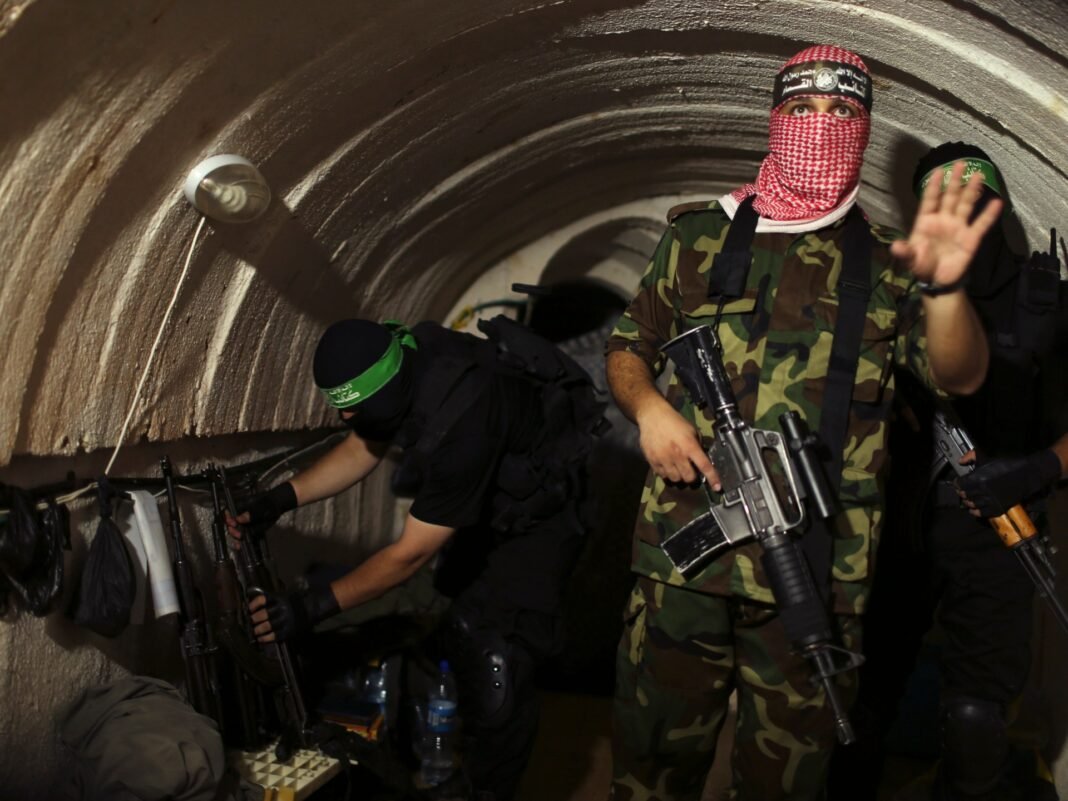
The most divisive issue centers on the full disarmament of Hamas and other armed factions operating in Gaza. The peace process overseen by a U.S.-led body insists palestinians must surrender all weapons, including detailed maps of tunnel systems and privately held arms caches. Many Palestinian officials view this demand as closely mirroring Israel’s stringent conditions for ending hostilities.
Insiders involved in Cairo negotiations reveal that weapon surrender remains the primary obstacle preventing an end to israel’s ongoing military operations against Gaza.
Divergent Visions Within Clause 8
A key source of deadlock is “Clause 8” from the October 2025 ceasefire agreement brokered by the United States. This clause outlines procedures for disarmament, management of military infrastructure post-conflict, and how security responsibilities will transfer to a unified Palestinian authority.
An insider familiar with discussions noted that Hamas showed an unexpected willingness regarding this clause by agreeing-for the first time-to hand over their heavy weapons stockpile including rockets, missiles, and anti-tank systems. this marked a notable departure from previous refusals to negotiate on disarmament terms.
- mladenov’s draft: Proposes phased collection and inventorying led by Palestinian authorities but supervised internationally through bodies like the Implementation Verification Committee and International Stabilization Force (ISF). It explicitly forbids transferring arms directly to Israel.
- Hamas’ counterproposal: Links weapon handover with Israeli withdrawal phases from Gaza. It demands militia dismantling only after political milestones are reached-including ISF deployment-and emphasizes that disarmament must advance recognized Palestinian statehood rights.
Total Neutralization: From tunnels to Ammunition
Mladenov introduced revised terms requiring full disclosure and dismantling not only of weapons but also all tunnel networks operated by Hamas’s Qassam Brigades along with associated manufacturing sites. When Hamas rejected these conditions outright,Mladenov aligned firmly with Israeli demands insisting on complete surrender down to every single bullet,leaving no exceptions-even personal firearms held by families or individuals inside Gaza.
This rigid position has placed immense pressure on negotiations without causing them to collapse entirely according to senior Hamas officials involved in talks.
The June Agreement Attempt & Personal Arms Controversy
A tentative breakthrough occurred during four days starting June 9 when factions agreed on modifying Clause 8 toward inventorying heavy weapons rather than immediate total disarmament. However, Mladenov expressed reservations about these changes following renewed meetings with Hamas representatives on June 16-17. He then proposed sweeping revisions aligned with his broader peace roadmap demanding dismantlement not just limited arsenals but entire military infrastructures-including tunnels and workshops-alongside strict control over personal firearms through licensing under NCAG management.
Pushing Back Against Complete disarmament Demands
The call for total weapon relinquishment faces unanimous rejection among Palestinian leaders who see it as undermining any authentic peace efforts. Mohammad al-Braim , spokesperson for Popular Resistance Committees-a key faction at Cairo talks-stated their willingness to compromise but refused submission under coercion or threats.“We will never raise white flags,” he declared forcefully while accusing Israeli Prime Minister Netanyahu and Mladenov alike of leveraging weapon control as political pressure without offering reciprocal concessions such as full Israeli withdrawal from Gaza.“This won’t come free,” he warned sternly about unilateral steps toward disarming Palestinians without addressing fundamental political grievances first.
Criticism accusing Mediation Bias Toward Israel
skeptics like Saeed Ziad-a prominent Palestinian analyst-argue initial proposals aimed merely at reorganizing resistance capabilities rather than eliminating them outright.“No group intends dissolving it’s forces unless there is an established sovereign state,” Ziad explained,“and no leader can unilaterally end resistance.”
“Mladenov acts less like an impartial mediator than someone advancing israeli interests; effectively serving Netanyahu’s agenda.”
Ziad further contends that as October’s ceasefire deal phase one began, Israel has failed its commitments; rather expanding its military presence inside Gaza while more than 1,200 Palestinians have died despite truce efforts since then. He warns Mladenov’s proposals dangerously echo extremist right-wing visions aiming at reestablishing settlements within Gaza itself-a scenario widely feared across Palestine today.
A Wider Viewpoint From board Of Peace Representatives
An official representing Board of Peace dismissed accusations claiming bias or unfairness surrounding mediation efforts related to disarmament clauses.
They emphasized these frameworks result from extensive consultations involving multiple stakeholders including Egypt, Qatar, and Turkey seeking balanced solutions addressing concerns raised across parties involved.
The official stressed progress depends upon coordinated advances spanning security arrangements,governance reforms humanitarian access reconstruction initiatives,and phased withdrawals-not isolated provisions alone .
< p > They reiterated mediation aims at bridging divides through practical agreements implementable locally rather than favoring any single party’s agenda.