Transforming China’s Higher Education: Preparing Graduates for Tomorrow’s Job Market
Facing persistent challenges with youth unemployment and shifting economic priorities, China is implementing a sweeping reform of its higher education landscape.Thousands of outdated degree programs are being phased out, while new courses emphasizing emerging technologies such as artificial intelligence and advanced manufacturing are rapidly gaining prominence.
Strategic curriculum Overhaul to Match Economic Goals
Between 2021 and 2025, chinese universities have discontinued or suspended nearly 12,200 undergraduate majors while introducing approximately 10,200 new ones. This transformation impacts over 30% of all undergraduate programs nationwide. According to official data from the Ministry of Education, this marks a decisive shift away from traditional academic disciplines toward fields that align with China’s ambitions in innovation and technological leadership.
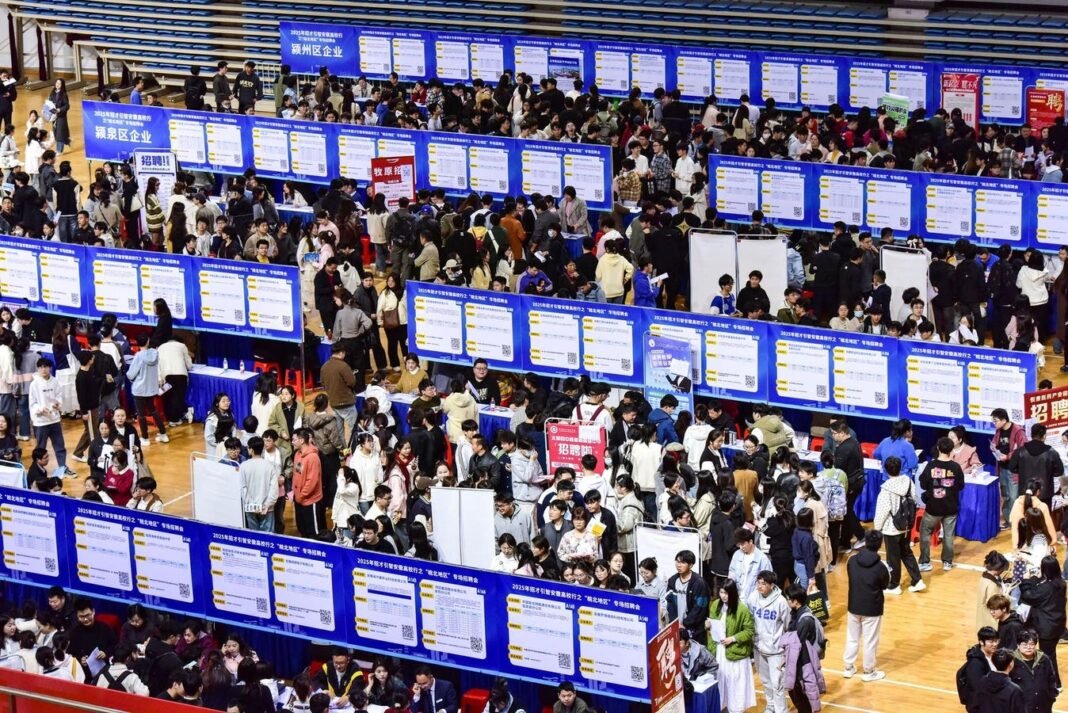
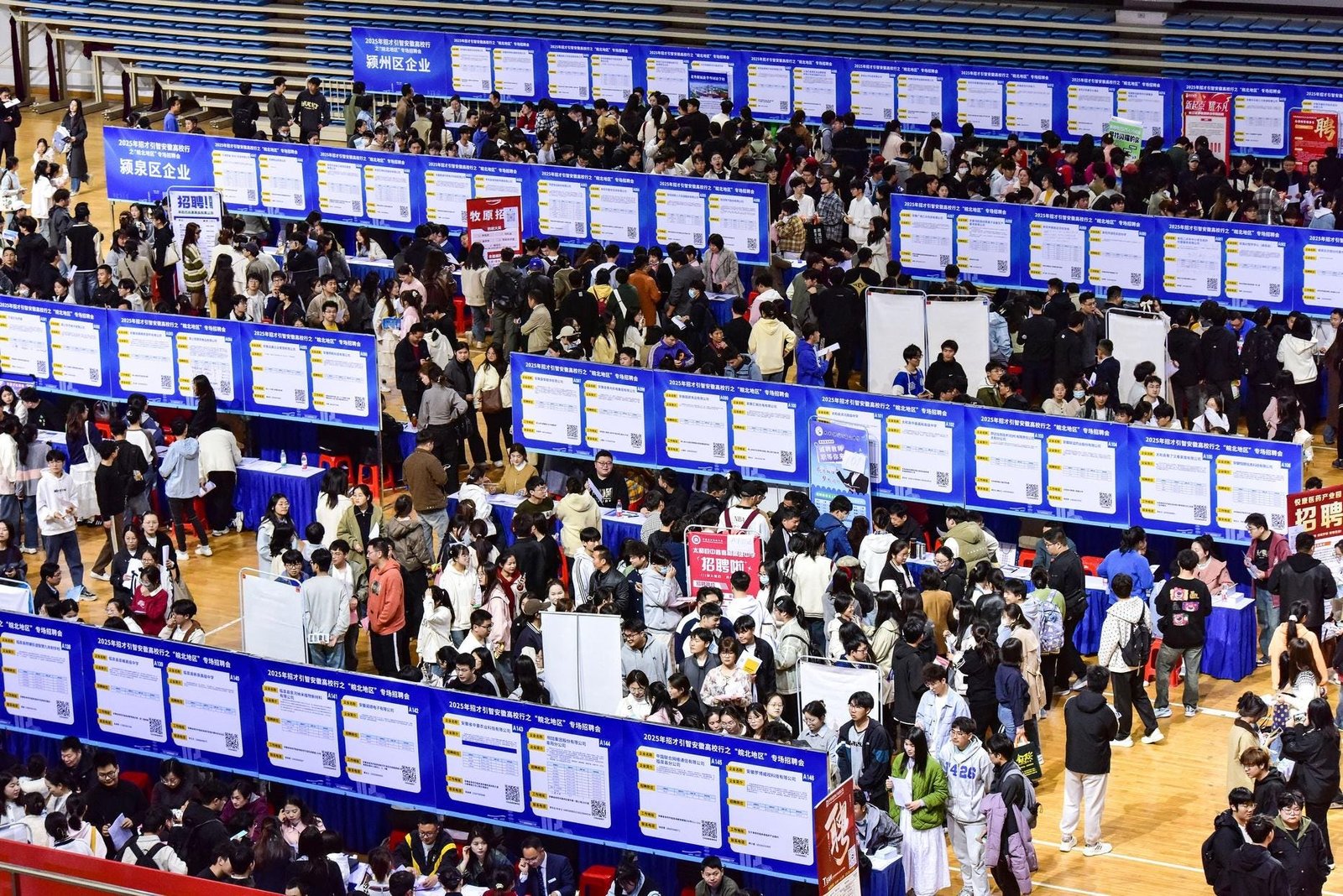
The driving force behind these changes is the urgent need to combat soaring youth unemployment rates. By early 2026, the urban unemployment rate for young people aged 16 to 24 who were not enrolled in school surged close to 17%, one of the highest figures recorded in recent years. Employment difficulties have also extended into older age groups including those between ages 25 and 29.
Reducing Humanities While Expanding Technology-Focused Programs
The most significant reductions have targeted degrees in humanities, arts, foreign languages, and certain management disciplines-fields now considered less relevant within China’s evolving industrial framework. In contrast, universities are expanding offerings related to robotics engineering, semiconductor technology growth, AI-driven manufacturing processes, and other sectors prioritized by national development strategies.
This realignment reflects two key dynamics shaping Chinese higher education today: Beijing’s strategic ambition to become a global leader in cutting-edge technologies like artificial intelligence; alongside an imperative to enhance graduate employability by tailoring academic programs more closely with labour market demands.
A National Push Toward Technological Independence
Artificial intelligence has been designated as a core priority at the national level with significant government funding directed toward research institutions and industrial applications such as automation systems and chip fabrication facilities. Universities play an increasingly vital role within this ecosystem by cultivating talent specifically trained for these high-tech industries.
addressing Graduate Unemployment Through Educational Reform
China produces over twelve million university graduates annually-a number that continues rising despite widespread challenges many face securing jobs aligned with their qualifications. Policymakers believe redirecting students into growth sectors will help reduce mismatches between educational output and employment opportunities across various regions.
Divergent Approaches: Comparing China’s Reforms With U.S. Higher Education Trends
The scale and rationale behind program eliminations differ significantly from trends observed at american colleges today. In the United States, financial pressures caused by declining enrollment-exacerbated by demographic shifts-and reduced international student numbers have forced institutions primarily to cut low-demand majors due to budget constraints rather than strategic workforce alignment.
Unlike china’s centralized governance model where academic priorities can be mandated nationally through policy tied directly to funding streams, U.S universities retain considerable autonomy . Decisions about program offerings typically arise from institutional leadership responding flexibly to market conditions without overarching federal coordination aimed explicitly at aligning curricula with specific economic objectives.
A Intentional reallocation Versus Budget-Driven Cuts
The Chinese government’s approach represents more than mere cost-cutting; it embodies an intentional reallocation of educational resources designed around long-term competitiveness goals-a reflection of how deeply intertwined higher education has become with national development strategies worldwide amid rapid technological change.
The Future Outlook: Can These Changes Deliver Results?
“This swift restructuring highlights how governments increasingly view universities as engines propelling technological advancement.”
The ultimate success of china’s enterprising reforms remains uncertain but underscores a growing global trend where educational institutions must adapt quickly amid evolving labor markets shaped by rapid innovation.This conversation extends beyond Asia; similar debates about better aligning academia with workforce needs are intensifying across Western nations as well.
- Youth unemployment: Urban jobless rate near 17% among ages 16-24 (non-students) in early 2026;
- total graduates: More than 12 million annually, intensifying competition for relevant employment;
- Cuts implemented:: Approximately 12,200 outdated majors eliminated;
- Additions introduced:: Roughly 10,200 new tech-oriented programs launched;
- Main focus areas:: Artificial intelligence; robotics engineering; semiconductor design; AI-powered manufacturing;
- Divergence from U.S.: Cuts driven primarily by strategic realignment versus financial necessity;
- Nationwide impact:: Over a third (>30%)of undergraduate offerings affected during reform period nationwide.