Congress Enacts Groundbreaking Affordable housing reform
A Unified Push to Expand Homeownership opportunities
The U.S. House of Representatives decisively passed a landmark affordable housing bill with a 358-32 vote, aiming to lower costs for homebuyers and limit the dominance of large institutional investors in the housing market. The legislation now awaits presidential approval.
Termed the 21st Century ROAD to Housing Act, this bipartisan success followed extensive negotiations and multiple amendments between both chambers of Congress. The Senate had earlier endorsed the bill with an 85-5 vote, signaling widespread agreement despite ongoing political divides.
Removing Barriers: Enhancing Market Access and Construction Growth
This new law targets affordability by reducing regulatory obstacles that have hindered residential construction across the country. it also restricts institutional investors from acquiring more than 350 single-family homes each,aiming to curb monopolistic practices that have inflated prices in many urban and suburban markets.
The measure is designed to benefit millions who face soaring home prices amid limited inventory-a problem worsened by private equity firms purchasing thousands of properties, often outbidding individual buyers seeking their first homes.
Case Study: Seattle’s Investor-Driven Housing Squeeze
Seattle has witnessed a sharp increase in investor-owned single-family residences over recent years, contributing heavily to local affordability challenges. By imposing acquisition limits through this legislation, cities like Seattle hope to rebalance power between corporate landlords and prospective homeowners striving for stability.
The political Landscape Behind Legislative Success
This bill’s passage arrives as both major parties gear up for competitive campaigns ahead of the 2026 midterm elections where housing affordability remains a critical voter issue. Republicans emphasize protecting their narrow congressional majorities by promoting policies appealing directly to working-class families.
Nonetheless, some conservative lawmakers opposed the bill due to its omission of a controversial election reform proposal known as the SAVE America Act-mandating voter ID verification and citizenship proof during registration-which lacks sufficient congressional backing despite strong presidential support.
Divergence Within GOP on Legislative Priorities
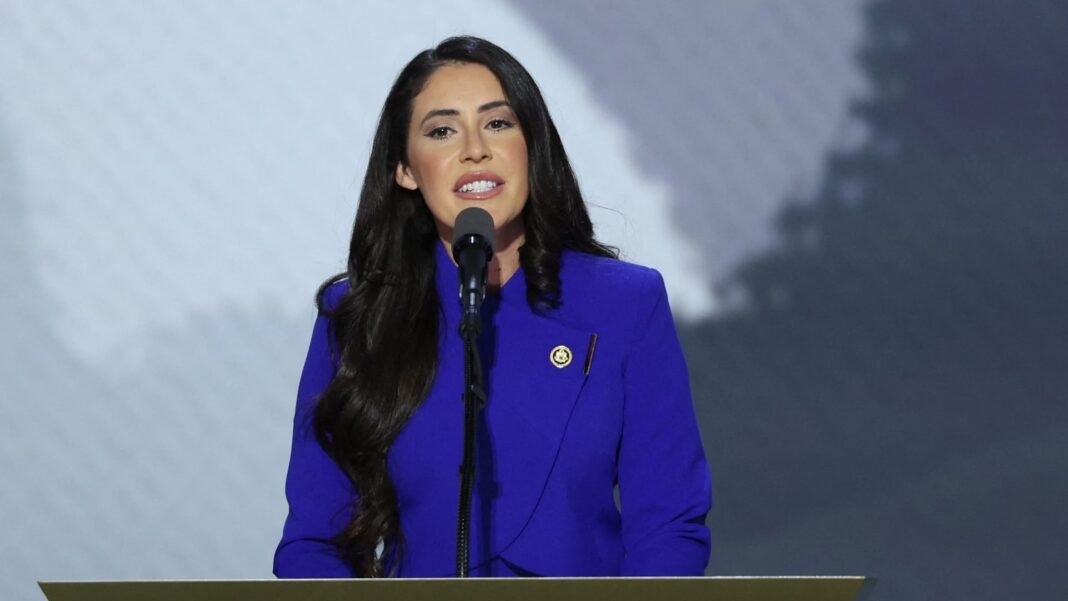
Representative Anna Paulina Luna (R-FL) openly challenged GOP leadership for advancing this housing package without incorporating voter ID requirements. she threatened procedural delays unless her demands were met-a sentiment echoed by other party members frustrated with current legislative strategies.
looking Forward: Anticipated Effects and Implementation Plans
If enacted as was to be expected during an upcoming Capitol ceremony preceding Senate Republican meetings, experts predict accelerated construction activity driven by streamlined regulations alongside improved access for first-time buyers across diverse regions nationwide.
“This transformative legislation opens doors back into homeownership for countless American families long excluded,” stated House Speaker Mike Johnson after final approval. “By limiting excessive institutional investment while empowering builders through deregulation, we renew hope toward realizing The american Dream.”
- Simplifying Regulations: Expected permitting reforms could boost new housing developments by approximately 20%, according to recent industry analyses.
- Capping Institutional Acquisitions: Restricting bulk purchases aims at stabilizing price surges especially in rapidly gentrifying metropolitan areas experiencing intense demand pressures.
- Bipartisan Consensus: Reflects rare cross-party agreement amid polarized politics emphasizing urgent solutions addressing shortages impacting over 40 million Americans currently burdened by high housing costs.*
*Current National Housing Affordability Challenges*
An estimated 37% of renters nationwide allocate more than half their income toward housing expenses-the highest proportion recorded since data tracking began-underscoring why targeted legislative efforts like this act are vital for young professionals and working families alike facing escalating cost pressures.*