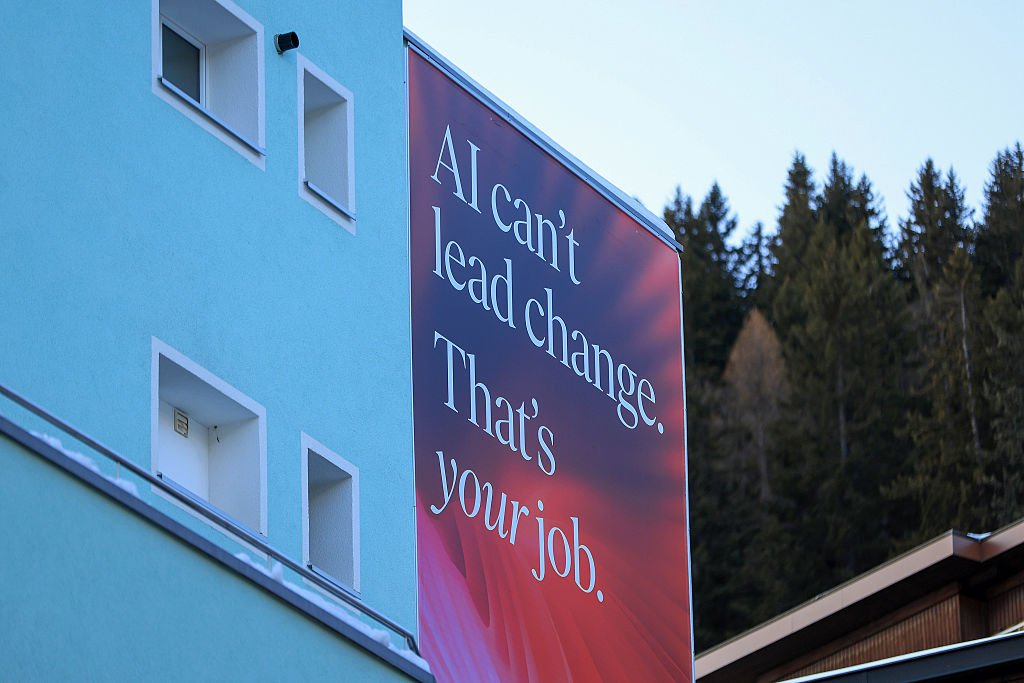
Exploring How AI is Reshaping Employment Patterns
Addressing Job Displacement Fears in the Age of AI
Concerns about job losses due to artificial intelligence continue to dominate discussions on workforce stability. By mid-2026, approximately 90,000 jobs in the United States have been eliminated with AI playing a notable role. Forecasts indicate that up to 15% of American employment could be affected by AI-driven automation within the next five years. Despite reassurances from industry leaders that new career opportunities will arise alongside these technological shifts, many early-career professionals remain uncertain about their long-term job security.
Data-Driven Perspectives Challenge Prevailing Assumptions
An extensive analysis involving nearly 22,000 companies paints a more complex picture than commonly portrayed. Firms investing an average of $30 per employee each month on AI technologies have seen their overall headcount grow by over 10%.This growth is evident across multiple departments including engineering, sales, customer service, finance, marketing, and research roles.
Sector-Specific Growth Demonstrates Workforce Adaptability
The most significant expansion has occurred within data-focused sectors such as software engineering,digital content platforms,and IT services. Contrary to widespread fears that entry-level positions are disappearing under automation pressures, these technology-centric organizations reported a striking 12% increase in junior staff hires.
The intricate Link Between AI Integration and Recruitment Trends
While these findings offer hope for certain industries thriving with advanced technology adoption-often supported by venture capital-the direct causality between AI implementation and increased hiring remains ambiguous. It is possible that workforce growth aligns more closely with overall business expansion rather than being solely driven by artificial intelligence deployment.
“This study does not assert that artificial intelligence universally creates jobs,” it clarifies; “however it contests common predictions forecasting widespread employment declines.”
The Reality for Entry-Level Positions: Mixed Outcomes
Financial sector data reveals an average net reduction of roughly 16,000 jobs monthly over the past year due to automation effects-disproportionately impacting Generation Z workers entering the labor market. Yet within innovative tech firms utilizing intensive AI applications like automated code generation or smart customer interaction tools, early-career employment has actually grown.
AI as a Driver for Business growth Beyond Workforce Replacement
The true transformative power of artificial intelligence extends beyond merely replacing human tasks; it enhances productivity across essential business functions:
- Accelerating software growth cycles through automated debugging;
- Simplifying internal processes via smart document creation;
- Speeding up product innovation using predictive data analytics;
- Curbing operational expenses while scaling production efficiently.
This boost in efficiency often motivates companies to expand their teams beyond technical roles since reduced costs improve profit margins and enable broader hiring strategies.
The Critical Role of committed Investment Over Short-Term Trials
The report emphasizes that organizations engaging only in brief pilot programs or limited subscriptions without considerable resource allocation seldom see meaningful increases in staffing linked directly to their use of AI technologies.
A Widening Gap Between Resource-Rich Firms and Others
This trend highlights an emerging divide between businesses equipped with ample capital reserves and skilled personnel capable of fully leveraging sophisticated technologies versus those restricted to superficial experimentation lacking strategic depth.
“Companies without access to expert talent pools or strong management frameworks risk falling behind competitors who effectively harness artificial intelligence,” caution analysts involved in this research.
Navigating Tomorrow’s workforce Amid Rapid Technological Evolution
The evolving landscape suggests enterprises at the forefront of innovation will continue gaining disproportionate advantages from integrating cutting-edge tools into daily operations-potentially redefining competitive dynamics across global industries throughout the coming decade.