



Australia’s Defense Budget: Striking a Balance Between Capability and fiscal Realities
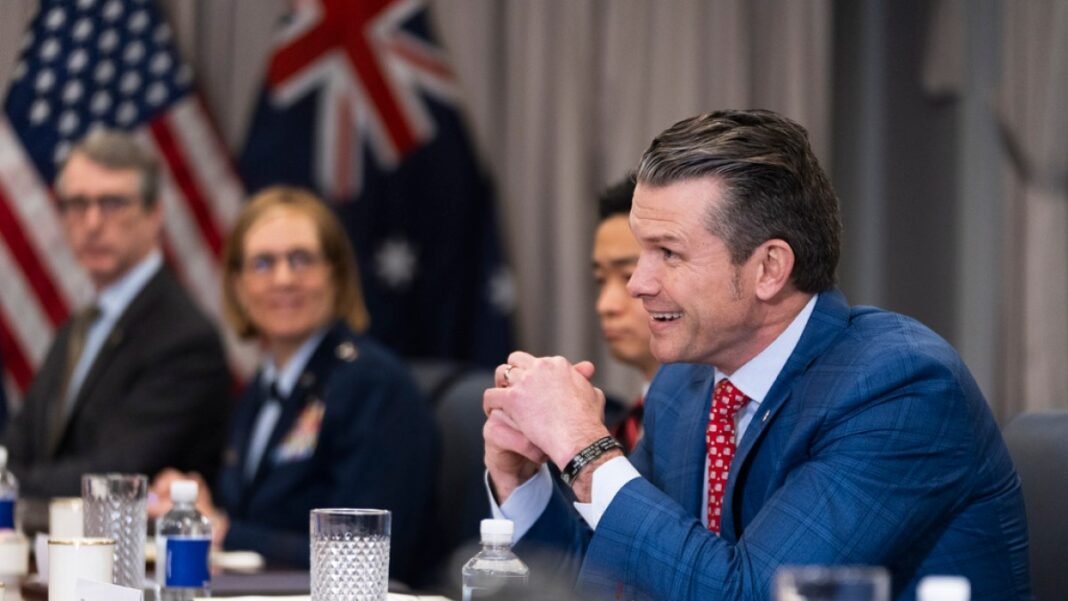
United States Defense Secretary Peter Hegseth has recently called on Australia to increase its military spending to 3.5 percent of its gross domestic product (GDP) as soon as feasible. This proposal arises amid escalating security challenges in the Indo-Pacific region and shifting global defense priorities.
In response, Prime Minister Anthony Albanese highlighted a measured strategy, emphasizing that Australia will frist evaluate its defense capability needs before committing to any fixed expenditure targets. “Our focus is on determining the critical capabilities required and then directing funds accordingly,” albanese stated during a media briefing.
The Australian government has pledged an additional investment of roughly 10 billion Australian dollars (approximately $6.5 billion USD), aiming to raise total defense spending gradually to 2.3 percent of GDP by 2033. This incremental increase reflects a cautious approach given competing demands on public finances.
Nonetheless, budgetary constraints remain significant due to pressing national priorities such as disaster recovery efforts following severe droughts in South Australia, extensive flood remediation in New South Wales, and recovery from Cyclone Alfred’s devastation.
The Economic Impact of Expanding Military Expenditure
A recent analysis indicates that elevating defense outlays to the proposed 3.5 percent GDP level would necessitate annual expenditures nearing 100 billion Australian dollars ($65 billion USD), representing an increase of about 40 billion AUD over current allocations-a considerable fiscal challenge for the nation.
Economist Matt Grudnoff from The Australia Institute contends that Australia’s existing military budget already exceeds what is proportionate relative to its economic scale. At the forecasted level of 2.3% GDP dedicated to defense, Australia would rank ninth globally in military spending-surpassing nations like France and Taiwan while aligning closely with United Kingdom figures.
Worldwide Defense Spending Trends Reflect Heightened Security Concerns
The Stockholm International peace Research Institute (SIPRI) documented a global rise in military budgets by nearly 9.4% throughout 2024-the largest surge sence cold War-era tensions-primarily fueled by increased European investments amid ongoing geopolitical uncertainties across various regions.
Consistent with this pattern, Australia’s long-term plans include investing hundreds of billions into US-designed nuclear-powered submarines under the trilateral AUKUS agreement with America and Britain; cost estimates for this initiative reach up to AUD $368 billion ($238 billion USD).
Strengthening Alliances Through Industrial Collaboration
A recent dialog between Secretary Hegseth and Australian Defence Minister Richard Marles centered on deepening US-Australia cooperation via expedited deployment of American defense assets within Australian territory alongside expanding joint industrial base projects aimed at bolstering supply chains for elegant weapons components.
Tackling Ethical Questions Amid Regional Conflicts
The involvement of Australian manufacturers producing weapon parts has sparked intense public debate due to ongoing conflicts such as Israel’s operations in Gaza; protests have taken place outside factories supplying arms destined for conflict zones while legal challenges question ethical accountability linked with these exports.
Taiwan Policy Remains Firm Despite Rising Tensions
The push for increased military funding coincides with warnings delivered at Asia’s leading security forum-the Shangri-La Dialogue-where US officials emphasized China’s escalating threat perception toward Taiwan, which Beijing claims but remains self-governed de facto autonomous territory.
This year’s summit saw China completely abstain from participation; their foreign ministry cautioned Washington against exploiting Taiwan-related issues as leverage against Beijing or recklessly “playing with fire.”
Bipartisan Consensus Upholds Stability Approach Toward taiwan
When addressing these developments, Prime Minister Albanese reiterated Australia’s steady position: supporting peace across the Taiwan Strait without modifying existing diplomatic stances or provoking needless escalation.
“Our policy concerning Taiwan remains consistent-it embodies longstanding bipartisan agreement focused on maintaining stability,” he affirmed during remarks made from drought-impacted South Australia.
This stance highlights Canberra’s commitment not only toward protecting national interests but also contributing responsibly within broader Indo-Pacific security frameworks amid evolving geopolitical complexities worldwide.


